

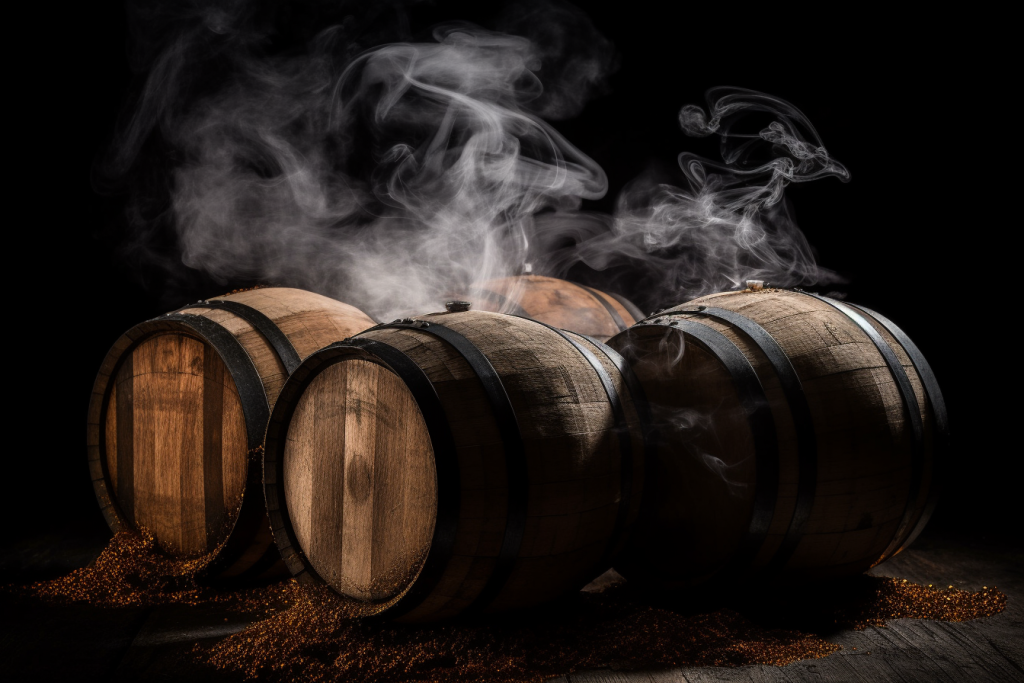
Bourbon is the loud, confident cousin of the whisky family, and for Canadian drinkers raised on the quiet restraint of rye, it can feel almost indecently generous. Yet there is a reason more bottles are crossing the border into Canadian cellars than ever before. Bourbon is America’s native spirit by law and by temperament, and understanding it makes you a sharper buyer, whether the goal is a stocked bar cart or an investment-grade collection.
This guide treats bourbon the way a Canadian collector actually needs to: what it is, how it is made, why it holds value, and how to drink, store, and buy it without getting burned by provincial markups or auction hype. If you are new to the broader American category, our breakdown of what American whiskey actually is is the best place to start before you go deeper on bourbon specifically.
Why Bourbon Is Legally America’s Spirit
Bourbon did not earn its title through marketing. In 1964 the United States Congress formally recognized it as a “distinctive product of the United States,” and federal law still dictates what can carry the name. To be called bourbon, a whiskey must be made from a grain mix that is at least 51 percent corn, distilled to no more than 80 percent alcohol by volume, barreled at no more than 62.5 percent, aged in new, charred oak barrels, and produced on U.S. soil. Those rules, codified in the U.S. Code of Federal Regulations (27 CFR 5.22), are the backbone of the category and the reason a bottle of bourbon tastes like bourbon no matter which state it comes from.
The spirit’s roots run back to the late 1700s, when settlers pushed into Kentucky and Virginia. Many were Scots-Irish and German immigrants who already knew how to distil, and they turned to corn because it grew where European grains struggled. Kentucky’s limestone water, naturally filtered and free of iron, turned out to be ideal for fermentation. The name itself likely traces to Bourbon County, Kentucky, a vast original county whose stamped barrels shipped down the Mississippi and became known by their origin. None of this is a single inventor’s story. It is a slow, practical accumulation of choices made by frontier distillers, which is exactly why it feels so genuinely American.
What Bourbon Tastes Like (and Why)
That 51 percent corn minimum is doing most of the flavour work. Corn brings sweetness, and combined with new charred oak it produces the vanilla, caramel, and toffee notes that define the style. The remaining grain, usually rye or wheat, steers the character. A high-rye mash bill leans spicy and dry, with pepper and baking-spice heat; a wheated recipe, the approach behind bottles like Maker’s Mark and the Pappy Van Winkle line, softens the edges into rounder, gentler sweetness.
Age adds another layer. Young bourbon tastes of oak spice and raw grain; older bourbon pulls deeper into leather, tobacco, and dried fruit as the spirit extracts more from the wood. Because the barrel is new every time, bourbon gains colour and flavour faster than Scotch matured in refill casks, which is part of why a 12-year-old bourbon can feel as developed as a considerably older single malt. If you have ever been unsure how to describe what is in your glass, our primer on whisky versus whiskey spelling and styles helps sort out the broader vocabulary.
Bourbon is also one of the most food-friendly spirits going. The sweetness stands up to smoke, so it pairs naturally with barbecue and grilled steak. It cuts through rich, fatty dishes and mirrors the caramelisation on a seared piece of meat. On the sweet side, chocolate desserts and fruit cobblers play directly to its vanilla core. We keep a running list of whisky cocktails you can make at home if you want to put a bottle to work beyond neat pours.
How Bourbon Is Made, Step by Step
The production process is governed by those same federal rules, but the craft lives in the details a distiller controls. It starts with the mash bill, the specific grain recipe. Corn, rye or wheat, and malted barley are milled, mixed with water, and cooked to convert starches into fermentable sugar. Yeast is added, and fermentation runs for a few days, producing a low-alcohol “beer” loaded with flavour compounds.
Distillation follows, usually in a column still followed by a copper doubler or thumper, which concentrates the alcohol and strips out unwanted congeners. The clear spirit, called white dog off the still, is barreled at a strength that shapes how aggressively it will pull from the wood. Then comes the long part: ageing in new, charred American oak. Kentucky’s hot summers and cold winters make the spirit expand into the wood and contract back out, a cycle that drives extraction and gives bourbon its colour and body. The charred layer also acts as a filter, smoothing harsh compounds over time. The “angel’s share,” the portion lost to evaporation each year, is the distiller’s cost of doing business and a big reason older bourbon commands higher prices.
Bourbon in American History, and Why Collectors Care
Bourbon’s story tracks the country’s. It survived the Whiskey Rebellion of the 1790s, the temperance movement, and thirteen years of Prohibition, which shuttered most distilleries and left only a handful licensed to produce medicinal whiskey. When repeal came in 1933, the industry had to rebuild almost from scratch, and many heritage brands we know today are, in effect, modern revivals of older names.
That history matters to collectors because scarcity and provenance drive value. The modern bourbon boom really accelerated after 2010, when premium and allocated releases started trading on the secondary market. Limited expressions such as Buffalo Trace’s Antique Collection and Pappy Van Winkle now resell for multiples of their retail price, and Canadian buyers have noticed. If you are weighing whether a bottle is worth holding as an asset rather than opening, our piece on investing in rare whiskey and casks walks through the logic, and our whisky auctions guide covers how to bid without overpaying.
Buying Bourbon in Canada
This is where the Canadian angle gets practical. Americans can walk into a store and buy bourbon at roughly the shelf price you see advertised; Canadians cannot. Every province runs liquor sales through a Crown corporation or tightly regulated private model, and the combined effect of federal excise, provincial markup, and taxes means a bottle that retails for about US$50 south of the border can easily cost noticeably more at the LCBO, BC Liquor Stores, or SAQ. Allocated and limited releases are harder still, since most never reach Canadian shelves at all and end up on the secondary market at a steep premium.
That gap is exactly why Canadian collectors think carefully before buying. A few habits help: track what your provincial board actually stocks versus what is US-only, buy core expressions you drink regularly rather than chasing hype bottles, and treat allocated purchases as long holds if you want them to appreciate. For anyone building a broader portfolio beyond bourbon, our guide to the craft of whisky investing sets out how spirits fit alongside other assets, and our checklist on kickstarting your whisky collection is a good companion if you are just getting started.
Storing Bourbon So It Keeps Its Value
Stored bourbon does not improve in the bottle the way wine can, but it can certainly degrade, and condition is everything when you eventually want to sell. Keep bottles upright, unlike wine, so the higher-alcohol spirit does not eat the cork over time. Store them somewhere cool, dark, and steady; a range around 15 to 18 degrees Celsius is comfortable, and avoiding temperature swings matters more than hitting a precise number. Direct sunlight bleaches labels and can flatten flavour, so a closed cabinet beats a sunny shelf.
Humidity sits in the same careful middle ground. Somewhere near 50 to 70 percent relative humidity keeps corks from drying and cracking while protecting the label from mould or warping. For collectors, the label and fill level are as important as the liquid, since auction buyers discount bottles with damaged packaging or low fills. An intact, well-stored bottle will always outperform a compromised one.
Frequently Asked Questions
What are the most popular bourbon cocktails, and how do I make them?
Three classics cover most occasions. The Old Fashioned is the benchmark: muddle a sugar cube with a few dashes of aromatic bitters and a splash of water, add ice, pour in about two ounces of bourbon, stir, and express an orange peel over the top. The Mint Julep suits warm weather; gently muddle fresh mint with simple syrup, pack the glass with crushed ice, add two to three ounces of bourbon, and stir until the glass frosts. The Whiskey Sour balances bourbon with lemon juice and simple syrup, shaken hard and often finished with a frothy egg white. For full recipes and variations, see our home whisky cocktail guide elsewhere on the site.
How should I store bourbon to keep its quality?
Upright, out of sunlight, and in a cool, stable spot. Aim for roughly 15 to 18 degrees Celsius and moderate humidity, around 50 to 70 percent, so corks stay supple and labels stay clean. The biggest enemies are heat, light, and temperature swings, not time. A sealed, well-kept bottle can sit for years without meaningful change.
What foods pair best with bourbon?
Smoke and sweetness are bourbon’s natural allies. Barbecue ribs, grilled steak, and slow-smoked brisket mirror its charred-oak character, while sharp cheddar and cured meats give you salty contrast. On dessert, dark chocolate and bourbon bread pudding lean into the vanilla and caramel notes. The spirit’s sweetness also stands up to spicy food, which makes it a surprising match for dishes with real heat.
What is the difference between bourbon, rye, and other American whiskeys?
It comes down to the mash bill. Bourbon must be at least 51 percent corn, which gives it that sweet, round profile of vanilla and caramel. Rye whiskey must be at least 51 percent rye, producing a drier, spicier glass with pepper and cinnamon notes. Both follow the same U.S. rules on new charred oak and distillation strength. Other American whiskeys, including wheat whiskey and blended styles, use different grain combinations and ageing rules, which is why the category is broader than most people realise.
How do I train my palate to taste bourbon properly?
Taste widely and take notes. Work through different mash bills, a high-rye, a wheated, a standard recipe, and compare them side by side so the differences register. Add a few drops of water to open up higher-strength bottles, and smell before you sip, since most of flavour is aroma. Tasting with other people, at a bar, a distillery, or an online group, accelerates the process because you learn the vocabulary faster when someone points out what you are smelling. Repetition is the whole secret; there is no shortcut past actually drinking and paying attention.
Bourbon rewards the same patience you would bring to any serious collection. Learn the rules that define it, buy with intent rather than impulse, store your bottles properly, and you will end up with a shelf that drinks well and holds its value. America may claim it as a native spirit, but Canadian collectors have every reason to make room for it.