

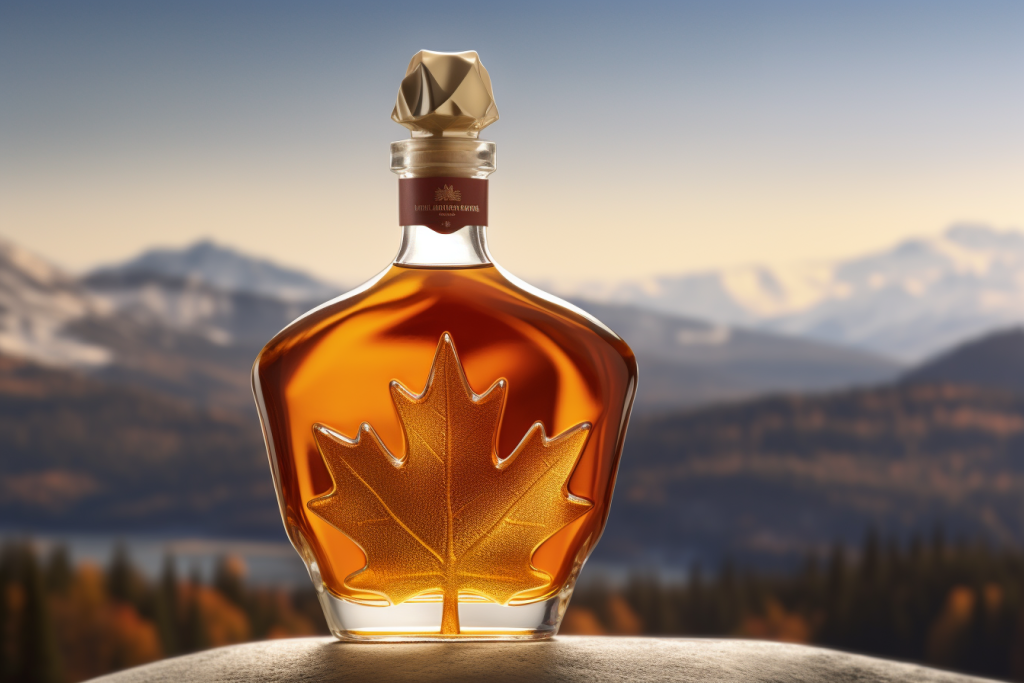
Canada has been distilling whisky longer than it has been a country. Commercial stills were firing in what is now Ontario by the early 1800s, decades before Confederation, turning surplus rye and corn into the spirit that would become the national default: light, mixable, and built from the grain this country grows best.
If your only experience of Canadian whisky is Crown Royal in a ginger ale, you know the category’s polite face. Behind it sits a two-century industry with its own regulations, a handful of genuinely great bottles, and a collector market that most people walk right past.
This guide covers the whole category: what the law requires for a bottle to say Canadian whisky, the main styles, how to taste it, the brands worth knowing, and whether any of it is worth putting real money into.
A Short History of Canadian Whisky
The commercial story starts with a grain surplus. Upper Canada, now Ontario, grew more wheat and rye than settlers could eat, and turning the excess into whisky kept it from spoiling. By the 1830s, distilleries were opening along the St. Lawrence and around the Great Lakes.
The name that matters most is Hiram Walker. An American who moved to Windsor, Ontario, he opened his distillery in 1858 and built a whole company town around it, Walkerville. His Club Whisky aged so well that it crossed the river to Detroit and found a huge market, which eventually pushed him to print “Canadian” on the label so it would not be mistaken for American bourbon. That label became Canadian Club.
Prohibition on both sides of the border shaped the industry more than most people realize. Canada’s own experiment with prohibition was short and patchy, mostly running from 1916 to 1920 and different in every province. The American ban lasted from 1920 to 1933, and for thirteen years Canadian distilleries were among the few legal suppliers on the continent. The exports of that era built brands, and bankrolls, that still stand today.
After repeal, Canadian whisky became the default import to the United States and held that position for decades. Big houses like Seagram’s, Hiram Walker, and Schenley consolidated production, and a blended Canadian in an Old Fashioned or a ginger ale was the standard North American drink through mid-century.
Then came a long quiet stretch. Consolidation, discounting, and a global shift toward single malts pushed Canadian whisky to the bottom shelf in many people’s minds. The turnaround began with craft distillers like Shelter Point on Vancouver Island and Dillon’s in Niagara, and with heritage names waking up. J.P. Wiser’s revived the Hiram Walker stills in Windsor, and Alberta Distillers’ cask-strength rye took World Whisky of the Year in Jim Murray’s Whisky Bible, 2021 edition. For a closer look at who is making what right now, our rundown of the Canadian whisky scene is the place to start.
What the Law Actually Requires
Canada treats its whisky as a protected category, and the rules are specific. For a bottle to be labelled Canadian whisky, it has to be:
- Mashed, fermented, distilled, and aged in Canada
- Aged for at least three years
- Aged in small wood barrels, meaning casks holding less than 700 litres
- Bottled at a minimum of 40% alcohol by volume
Those requirements come from Canada’s Food and Drug Regulations, enforced by the Canadian Food Inspection Agency. Three years is the same minimum as Scotch, and the small-wood rule is what pulls most of the colour and flavour out of the barrel.
One rule surprises people. Up to 9.09% of the finished product can be other spirits or flavourings, a legacy of the old practice of adding sherry or caramel to soften young whisky. It is rarely used for flavour anymore, but it helps explain why two bottles that both say “rye” can taste very different.
How It’s Made
The process starts with the grain. Most Canadian whisky begins with corn, which ferments into a sweet, high-proof base whisky, usually run through a column still. A smaller portion of the mash is rye, wheat, or barley, distilled to a lower proof so it keeps more flavour. These are the flavouring whiskies.
The two are aged separately, then blended. That split, base plus flavouring, is the signature Canadian technique. It lets a blender build complexity out of simple parts, and it is the reason Canadian whisky tastes the way it does.
Everything then goes into oak. Because the law requires small barrels, the spirit picks up vanilla, caramel, and tannin quickly. Many producers finish their whisky in ex-bourbon, sherry, or port casks for extra layers of flavour before bottling.
The Three Main Styles
Canadian whisky comes in a few shapes, and the labels can confuse newcomers because the country uses its own vocabulary. Three styles cover almost everything on the shelf.
Blended Canadian: The Workhorse
Most Canadian whisky is blended, and that is not a criticism. Blenders work with separate base whiskies and flavouring whiskies, often from different grains and different stills, and marry them into a consistent house style. The real skill is consistency: making sure this year’s bottle of J.P. Wiser’s Deluxe tastes like last year’s.
This is the category that made Canadian whisky famous. Crown Royal, Canadian Club, Forty Creek Barrel Select, Wiser’s Deluxe. These are affordable, mixable bottles worth keeping on the shelf. If you are building a bar from scratch, our guide to starting a whisky collection is a good place to begin.
Rye: The Word Means Something Different Here
Here is where Canada parts ways with its southern neighbours. In the United States, a rye whiskey must be distilled from a grain bill that is at least 51% rye. In Canada, “rye” is a colloquial term for Canadian whisky in general, and a bottle can be labelled rye with far less rye in the mash. It is a historical term, not a recipe guarantee.
That said, real high-rye Canadian whisky exists, and it is some of the most interesting liquid being made here. Lot No. 40 is distilled from 100% rye in copper pot stills at the Hiram Walker plant. Alberta Premium is a cask-strength rye that has drawn serious international praise. Dillon’s makes a bright, spicy rye in Niagara. For contrast, our American whiskey explainer lays out the rules south of the border.
Single Malt: The Quiet Craft Revival
Canada has no legal definition of single malt, so producers follow the Scottish convention: one distillery, 100% malted barley, copper pot stills. The signature move is that Canadian single malt is almost never peated. Where Scotch leans on smoke, these whiskies lean on orchard fruit, honey, and cereal sweetness.
Glenora in Nova Scotia has been making single malt since 1990, and Shelter Point on Vancouver Island has built a real following for its cask-strength releases. Both are small-batch, which is the point: less volume, more control, more character in every bottle.
How to Taste It
You do not need a tasting wheel or a shelf of Glencairns to get something out of Canadian whisky, but a little structure helps.
Start with the nose. Canadian whisky is usually lighter than Scotch, so the aromas come at you softly: vanilla, caramel, baking spice, sometimes fresh grain or orchard fruit. Give it thirty seconds in the glass before the first sip.
Then the palate. What you are looking for is balance between sweetness, which the corn brings, and spice, which the rye brings. A good Canadian whisky moves from sweet to spicy to oaky across the sip rather than staying in one lane.
Finally the finish. This is where cheap bottles give themselves away. A well-made one leaves a clean, warm, slightly spicy aftertaste. A rushed one ends short and a little harsh. Ageing smooths that out, which is one big reason the three-year floor matters.
Brands Worth Knowing
A short list of names that cover the category from top to bottom:
- Crown Royal. The best-known Canadian whisky on earth, historically blended and bottled around Amherstburg, Ontario. The standard blend is a solid mixer; the Northern Harvest Rye shows what a rye-forward blend can do.
- J.P. Wiser’s. Made at the Hiram Walker distillery in Windsor. Wiser’s Deluxe is the value pick, and Wiser’s 18 Year Old is a genuinely good sipping whisky.
- Canadian Club. Another Hiram Walker brand, famous in the United States since the prohibition era. Canadian Club 100% Rye is better than its price tag suggests.
- Forty Creek. A Niagara operation now owned by Suntory. Barrel Select is smooth and easy to like, and the cask-finished releases are worth seeking out.
- Lot No. 40. The 100% rye benchmark, pot-stilled at the Hiram Walker plant.
- Alberta Premium. Cask-strength rye from Alberta Distillers, and a critical favourite.
- Shelter Point. Vancouver Island single malt, the flagship of the Canadian craft movement.
Is Canadian Whisky Worth Collecting?
For most of the last twenty years, the honest answer was mostly no. Canadian whisky was a drinking category, not a collecting one, and old bottles rarely appreciated the way old Scotch did.
That is shifting, slowly. A few things to know if you are thinking about putting money into the category:
- The secondary market is thin. You will not find the auction depth for Canadian bottles that you will for Scotch or Japanese whisky. That cuts both ways: fewer six-figure headlines, and fewer people bidding against you.
- Sealed, older Canadian bottles can hold value, especially limited runs from closed or consolidated distilleries. Age statements that are no longer in production tend to be the ones to watch.
- Cask-strength and craft releases from Alberta Premium and Shelter Point are the closest thing to a growth area, but this is a young market, and past performance promises nothing.
If you are serious about whisky as an investment, start with the fundamentals rather than a single bottle. How whisky investing actually works and the case for rare bottles and full casks are the two places we cover the ground in depth. And if you ever buy through an auction house, read how the auction process works before you place a bid.
Frequently Asked Questions
How is Canadian whisky different from Scotch?
The shortest answer is grain and smoke. Scotch is built on malted barley and often on peat smoke. Canadian whisky is built on a mix of grains, usually corn-heavy with rye for spice, and it is almost never peated. The result is that Scotch tends to be heavier and smokier, while Canadian tends to be lighter, sweeter, and easier to mix.
Both are required to age for at least three years, so the old claim that Canadian whisky skips ageing is simply wrong. If the spelling confuses you, whisky with no “e” for Canada and Scotland, whiskey for the United States and Ireland, our quick explainer settles it.
What cocktails can I make with it?
Canadian whisky is one of the best mixing whiskies going. It shines in an Old Fashioned, a Manhattan, and a Whisky Sour, and it is the classic base for a rye-and-ginger. For recipes with measurements, our list of whisky cocktails to make at home has you covered.
What is the best way to store it?
Upright, out of direct sunlight, at a stable room temperature. Unlike wine, whisky does not keep ageing in the bottle, so a sealed 12-year-old stays a 12-year-old. Once opened, oxidation slowly changes the flavour over a few years, so finish your open bottles rather than letting them sit half-empty.
What is the legal drinking age in Canada?
Eighteen in Alberta, Manitoba, and Quebec, and nineteen everywhere else. Those rules apply to buying and drinking whisky the same as any other alcohol.
Is Canadian whisky gluten-free?
Distillation removes gluten proteins, so pure distilled whisky is generally considered gluten-free even when it is made from wheat, rye, or barley. That said, anyone with celiac disease should be careful about flavourings added after distillation and talk to a doctor if unsure.
Where the Category Goes From Here
Canadian whisky spent a long time as the quiet option: light, affordable, dependable, and rarely discussed with much excitement. That era is ending. The craft distillers are serious, the heritage houses are making better whisky than they did a decade ago, and bottles like Lot No. 40 and Alberta Premium show the category can stand beside anything from Kentucky or Speyside.
If you drink it, there has never been a better time to look past the big two. If you are watching it as an investment, keep an eye on limited releases and single malts, and treat the category the way you would treat any young market: with interest, and without hype.
Canada is not the only place making whisky outside the traditional centres, either. Our guide to emerging whisky regions covers where the next generation of bottles is coming from.