

So You Want to Buy a Whisky Cask
Cask ownership gets pitched a lot these days. Buy a cask of Scotch, let it age, sell it later for a tidy profit. The idea sounds simple enough, and the marketing makes it sound even simpler. But the reality of owning a cask of maturing spirit involves bonded warehouses, excise duty, evaporation losses, storage fees, and a secondary market that is not nearly as liquid as a stock exchange.
None of that means cask ownership is a bad idea. For the right person with the right expectations, it can be rewarding. But you deserve a clear picture of what you are actually getting into before you sign anything.
What You Are Actually Buying
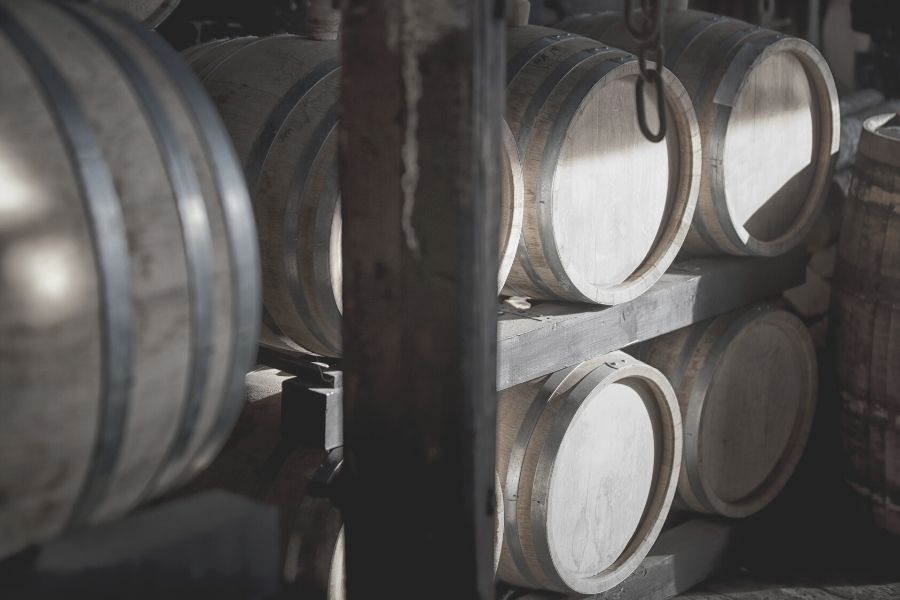
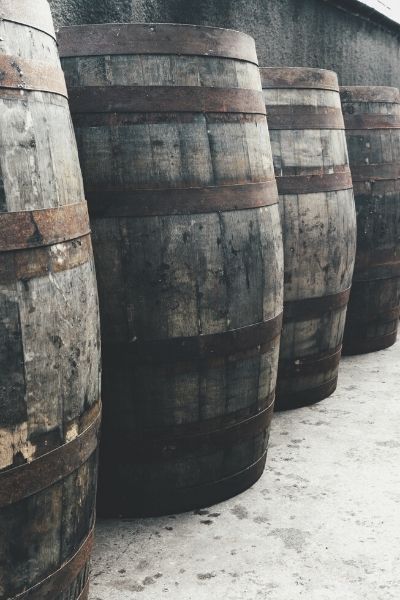
When you buy a cask of whisky, you are buying the liquid inside it while it is still maturing. You do not take it home. You cannot pour it into decanters and hand them out at Christmas. The cask stays where it is, which is almost always inside a bonded warehouse. You own the spirit; the warehouse owns the building and looks after the barrel on your behalf.
This is not a quirk of any particular broker. It is how the law works. In the UK, which is where the vast majority of cask transactions take place, spirits in production or maturation are held under duty suspension in an HMRC-registered excise warehouse. Duty and VAT are not payable until the spirit is removed from bond for consumption. That is the legal framework set out under the Excise Duty Act 2023 (which replaced the older Alcoholic Liquor Duties Act 1979) and administered by HMRC.
The warehouse itself must hold excise warehouse authorisation (EWA), which is HMRC’s approval to operate as a registered keeper of duty-suspended goods. When you buy a cask, your name goes on a delivery order or warrant held by that warehouse, and that document is your proof of ownership. There is no public registry. The warehouse’s records are the primary evidence that you own anything at all.
For Canadian readers, the picture is more complicated. Importing alcohol into Canada is regulated at both federal and provincial levels. You would be dealing with the Canada Revenue Agency, your provincial liquor board (the LCBO in Ontario, the SAQ in Quebec, BCLDB in British Columbia), and potentially Customs under the Excise Act, 2001. Bringing a cask across the border is not a straightforward personal purchase in the way buying a bottle at duty free is.
Where the Cask Actually Lives
Bonded warehouses, also called excise warehouses, are approved facilities where duty-suspended alcohol is stored under HMRC supervision. In Scotland, where most Scotch whisky matures, these are often on or near distillery grounds, but independent warehouse operators also run large facilities. Names like Laing’s, Speyside Bonding, and Tatlock and Radley are well-known independent warehouse keepers in the trade.
Under the Scotch Whisky Regulations 2009, Scotch whisky must be matured in Scotland in oak casks of no more than 700 litres for a minimum of three years. Most serious cask buyers are looking at a significantly longer horizon than three years. The flavour development that makes older whisky valuable takes time, and a cask at eight, twelve, or eighteen years is a very different proposition from a three-year-old cask.
If you are buying a cask of American whiskey, the rules are different. Bourbon, by law, must be aged in new charred oak barrels. A bourbon cask used once for bourbon cannot be used again for bourbon, though it will often be sold to a Scotch distiller or independent bottler for use maturing Scotch. That second-hand bourbon barrel is one of the most common vessels for Scotch maturation.
If you want a more detailed picture of how barrel ageing works as an investment category, our Whiskey Barrel Investing Guide covers the wider picture, including how different cask types affect flavour and value over time.
What It Actually Costs
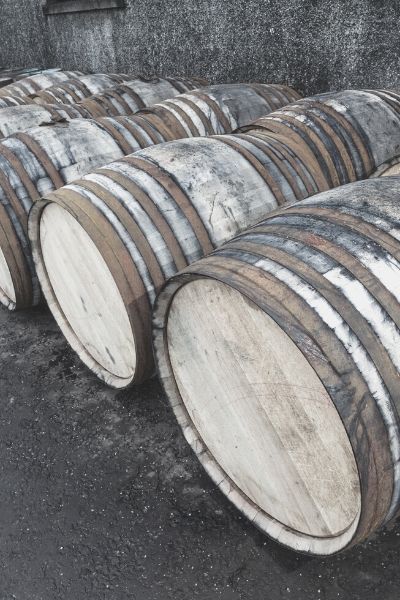
The headline price of a cask is only part of the picture. You are also paying for:
- Storage fees. Independent bonded warehouses charge an annual fee per cask for keeping your spirit under bond. These fees vary by warehouse and cask size but are typically charged per year and can run into the hundreds of pounds annually. The exact figure depends on the operator, the size of the cask, and on whether you pay for insurance on top.
- Broker or management fees. If you buy through a cask broker, you will likely pay a commission or management fee. Some brokers charge a flat fee at purchase; others charge an annual percentage. Read the contract.
- Insurance. The warehouse’s general insurance may not cover your specific cask at full value. You may want to arrange independent insurance, which is an additional annual cost.
- Excise duty and VAT on exit. When the spirit is eventually removed from bond, whether for bottling or for sale to a bottler, UK excise duty and VAT become payable. For a standard strength spirit, that is a substantial amount per litre of pure alcohol, set by HMRC and adjusted annually. You do not pay this while the cask sits in bond, but you will pay it eventually unless you sell the cask to another party who keeps it in bond.
For Canadian buyers, you should also factor in the cost and complexity of importing the finished spirit, which involves provincial liquor markups, federal excise duty under the Excise Act 2001, and potentially GST or HST.
Before you commit money, ask the broker for a full breakdown of all fees over the holding period you are considering. If they are evasive, walk away.
The Angel’s Share: Your Cask Is Getting Smaller
Every year, some of the spirit inside a cask evaporates through the oak. The industry calls this the angel’s share. The Scotch Whisky Association has noted that evaporation losses in Scotland typically average around 2 percent of the cask volume per year, though the actual figure depends on the warehouse conditions, cask size, and the fill strength of the spirit.
Over a decade, that compounds. A cask that started at 250 litres of new make spirit might hold noticeably less after twelve years in a damp Scottish warehouse. The alcohol strength also drops over time as alcohol evaporates faster than water, which is one reason why cask strength bottlings from very old casks are often well below the original fill strength.
This matters for your investment calculation in two ways. First, you are literally losing product every year. Second, the remaining liquid becomes more concentrated in flavour, which is part of what makes older whisky desirable. But the volume loss is real, and any broker who shows you projected returns based on the original fill volume without accounting for evaporation is presenting an incomplete picture.
How Do You Actually Get Out?
Buying the cask is relatively straightforward. Exiting is where things get complicated.
Sell the Cask to Another Buyer
The most common exit is to sell the cask to someone else while it is still in bond. The warehouse issues a new delivery order in the buyer’s name, and no duty or VAT changes hands because the spirit never leaves the warehouse. This is the cleanest route. The challenge is finding a buyer. The secondary cask market exists, but it is not a public exchange. You are reliant on brokers, auction houses that handle cask sales, or private networks. Liquidity is limited, and you are selling an asset that the next buyer also cannot easily move.
Bottle It Yourself (or With Help)
You can arrange to have your cask bottled. This means removing the spirit from bond, which triggers excise duty and VAT. You then need a bottling facility, bottles, labels, capsules, boxes, and a route to market. For a single cask, this is expensive per bottle and operationally complex. Independent bottlers like Douglas Laing, Signatory Vintage, and Cadenhead’s do this at scale and have the infrastructure. For an individual owner, you would almost certainly need to work with a broker or bottling service that handles the logistics. Our guide to investing in rare whiskey and casks goes into more detail on what bottling a cask actually involves.
Sell to an Independent Bottler
Some independent bottlers will buy casks directly from private owners. This can be a good exit if your cask is from a sought-after distillery and has aged well. The bottler handles duty, VAT, bottling, and distribution. You get a single payment. The downside is that you are selling wholesale, so the price will reflect their margin and risk, not the retail value of the finished bottles.
Cask Funds
There are pooled cask investment funds where your money goes into a managed portfolio of casks rather than a single barrel you can point to. These funds handle storage, insurance, and exit strategy. The Financial Conduct Authority in the UK has warned that many such schemes are unregulated, meaning you do not have the protections that come with a regulated investment product. If you are considering a fund, check whether it is FCA-authorised and understand exactly what you own.
The Real Risks Nobody Mentions in the Brochure
Cask ownership carries risks that are easy to gloss over in marketing material.
- Illiquidity. A cask is not a stock. You cannot sell it in seconds on an app. Finding a buyer takes time, and if the market for a particular distillery or vintage softens, you may struggle to sell at the price you expected. There is no guaranteed buyer of last resort.
- Fraud. The UK has seen a significant number of cask investment scams. The FCA has repeatedly warned about unregulated firms selling casks with inflated valuations or selling casks that do not exist. Red flags include cold calls, pressure to invest quickly, promises of guaranteed returns, and valuations that seem too good to be true. If a firm is not FCA-authorised, the FCA cannot help you if things go wrong.
- Storage and management fees erode returns. Over a ten- or fifteen-year hold, annual storage fees, insurance, and management charges add up. A cask that appreciates modestly in value might see most or all of that gain eaten by carrying costs. You need the underlying whisky to appreciate meaningfully just to break even.
- No guaranteed returns. Whisky prices have risen over the past two decades, but past performance does not guarantee future results. The market for collectible whisky can soften, and not every distillery’s casks appreciate at the same rate. A cask from an unknown or closed distillery may not attract the interest you hoped for.
- You cannot taste it to check quality. Until the cask is opened or a sample is drawn, you are trusting the distillery’s or warehouse’s records. A cask can go silent, develop off-flavours, or simply not mature in the way you hoped. This is one reason why working with a reputable warehouse and, if possible, arranging a sample draw before committing to a full bottling is sensible.
Our Art of Whisky Investing piece covers the wider investment picture, including how to evaluate what is worth buying and what is marketing noise.
What a Sensible Approach Looks Like
If you have read this far and still want to buy a cask, here is a practical checklist:
- Buy from a reputable source. Use an established distillery’s cask programme or a well-known independent broker. Ask how long they have been operating, who their warehouse keeper is, and whether they are FCA-authorised if they are selling casks as an investment.
- Confirm the warehouse is HMRC-approved. Ask for the EWA number or the warehouse’s HMRC registration details. A legitimate operator will not hesitate to provide this.
- Get the delivery order or warrant in writing. Your ownership should be documented by the warehouse, not just by the broker’s word.
- Understand all fees. Storage, insurance, management, and exit costs. Get them in writing and project them over your intended holding period.
- Know your exit before you enter. Decide whether you plan to sell the cask in bond, bottle it, or sell to a bottler. Each route has different costs and timelines.
- Keep expectations grounded. Treat a cask as a long-term, illiquid, speculative holding. If you need the money in three years, a cask is probably not the right vehicle.
For Canadian buyers specifically, talk to a customs broker or tax professional before you commit. The CRA and your provincial liquor board both have rules that affect what you can bring in, what you will pay, and how you can legally sell the finished product. The Canadian whisky scene has its own maturation rules and a growing number of craft distilleries offering cask programmes domestically, which can be a simpler path than importing from Scotland.
A Final Word
Buying a cask of whisky can be a genuinely interesting way to connect with the spirit you love. You are holding something that is slowly changing, year by year, in a dark warehouse somewhere in Speyside or Islay or Kentucky. There is something satisfying about that.
But it is not a savings account. It is not a stock. It is a physical, illiquid asset in a specialist market with real carrying costs and no guaranteed exit. The people who do well with casks are the ones who go in with their eyes open, buy from people they trust, and are prepared to hold for a decade or more without needing to sell.
If you want to understand more about how casks fit into a broader collection strategy, our guide to crafting a whisky investment strategy is a good next read. And if you are still at the stage of building your shelf rather than your warehouse, this guide to starting your whisky collection will get you there.