

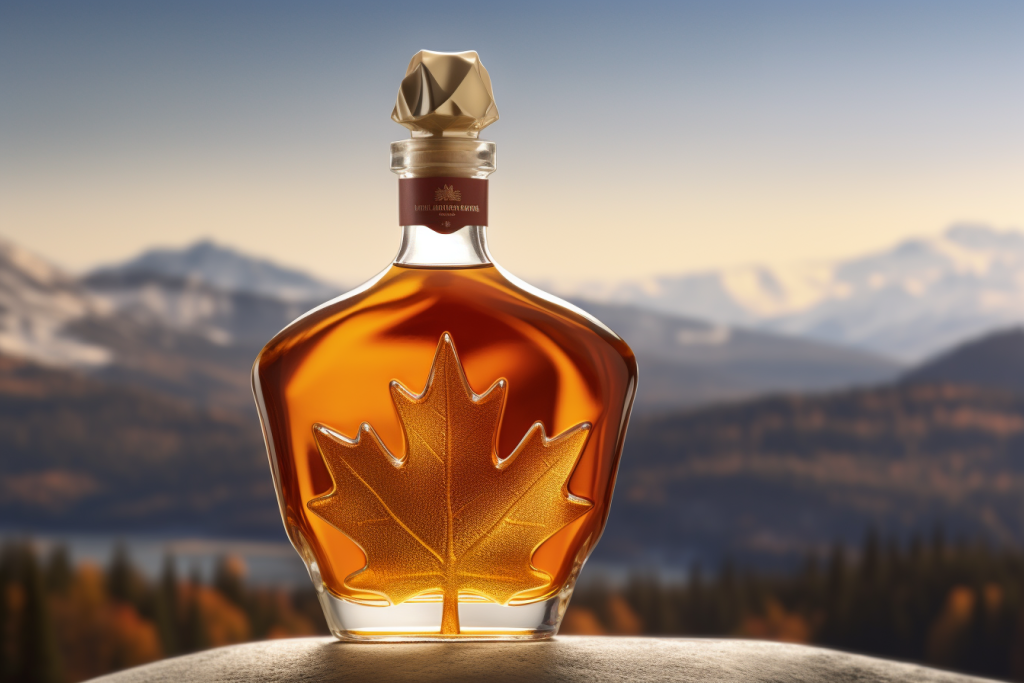
What Is Canadian Whisky
Corn-heavy, blended, almost never peated, and nothing like what rye means in the States. What the law requires, the three main styles, and which bottles earn a second look.
What Is Canadian Whisky Read More »
Corn-heavy, blended, almost never peated, and nothing like what rye means in the States. What the law requires, the three main styles, and which bottles earn a second look.
What Is Canadian Whisky Read More »
Pressure-cycled and light-and-heat ageing, cask experiments, and smart labels carrying provenance straight to a phone. Which of it holds up and which was mostly hype.
Whisky’s Future: Trends and Technologies Shaping the Spirit Read More »

Provenance, condition, fill level and the CRA’s two-thirds inclusion rate — the parts of rare whisky investing nobody puts in the brochure. Includes casks and where buyers overpay.
Investing In Rare Whiskey And Casks Read More »
What the green claims actually mean: renewable power, reused byproducts, lighter glass, and B Corp as the tell. Who is doing real work, and which bottles are only talking.
Eco-Friendly Whiskey: Sustainable Distilling Practices Read More »
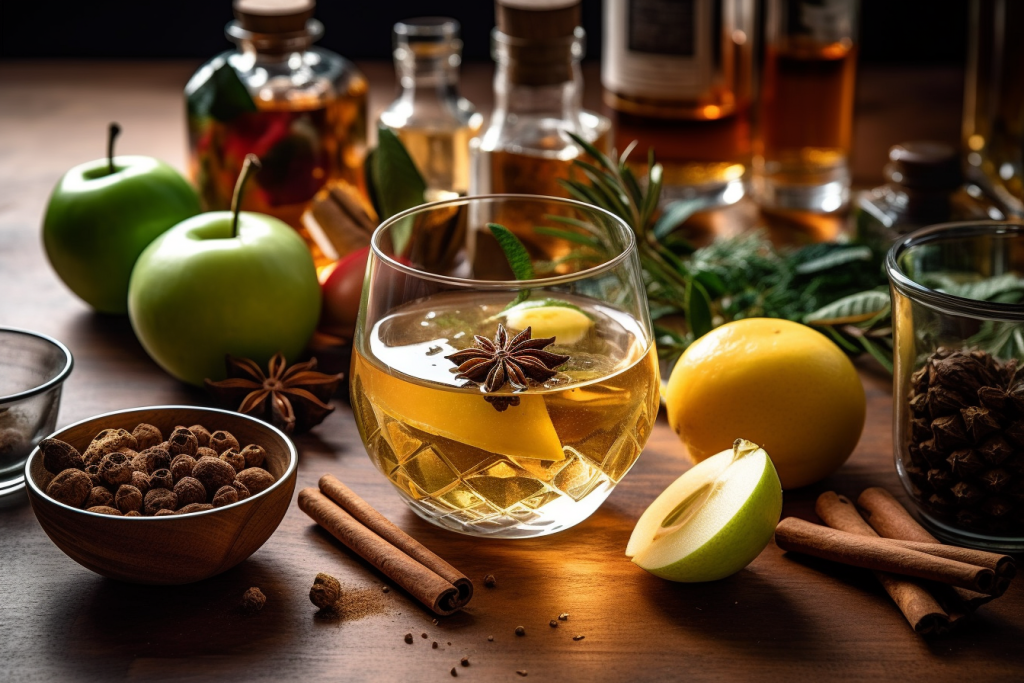
Why a peated Islay needs something heavy and a sweet bourbon wants salt. Five pairings that hold up, a Canadian shelf test with Crown Royal and Wiser’s, and the rules worth memorizing.
Whisky and Food: A Practical Pairing Guide Read More »

Japan for patience, Scotland for liquidity, Ireland for value, bourbon for flavour, Canada for no import friction. What each region tastes like and what it costs a Canadian buyer to chase.
Global Whisky Styles and Regions: A Canadian Collector’s Guide Read More »

What small distillers do differently: the mash bill, the cask, small barrels, finishes and rapid ageing. And why Canada is doing more of it than the category gets credit for.
Small Batch, Big Flavour: The Craft Whisky Revival Read More »
How to actually taste: a Glencairn, 25 ml, nose before mouth, short sniffs. Plus how to build the vocabulary to name what you smell and train your palate away from the glass.
Mastering Whisky Tasting and Appreciation Read More »

Char level, oak species and cask size decide how a barrel works; the angel’s share decides how much is left. Includes the ages a cask is actually worth owning, and the ones it has passed.
Whisky Ageing: Barrels, Time and the Cask Value Curve Read More »
Soft water, a cool damp climate, double distillation, and rules that cap cask size and ban additives. The practical reasons Scotch has held the line for five centuries.
Why Scotland Still Sets the Standard for Quality Whisky Read More »