


A good whisky sour is three ingredients and a little patience. Scotch makes the drink more interesting than the bourbon version most bars default to: the malt and smoke push back against the lemon, and when the balance lands, you get a glass with real depth. The formulas below all share the same skeleton, so once the classic is in your hands, the rest are small adjustments.
If you are building out a home bar and want the broader picture, our roundup of home-made whisky cocktails covers the staples you will pour again and again.
The Classic Scotch Whisky Sour
The classic is the reference point for everything else. Two parts whisky, three quarters of a part lemon, half a part sweetener, and, if you want the silky top, an egg white. That ratio is forgiving, which is exactly why the drink has outlasted a century of cocktail fashions.
What you need:
- 60 ml (2 oz) blended Scotch, or a single malt such as Glenfiddich 12 for a richer, fruitier base
- 22 ml (3/4 oz) fresh lemon juice
- 15 ml (1/2 oz) simple syrup (drop to 10 ml if you like it drier)
- 1 egg white, optional
- Lemon twist or a few drops of Angostura bitters, to garnish
Method: Add everything to a shaker. If you are using egg white, shake hard without ice first for about 15 seconds. This dry shake builds the foam. Then add ice and shake again until the tin is cold, roughly 20 seconds. Strain into a rocks glass over a large cube. A lightly peated Islay malt will fight the citrus, while a Speyside malt settles into a sweeter, friendlier pocket. Start with a blend and work your way up.
One spelling note, since this post uses both forms. Scotch and Canadian bottles are “whisky,” while American and Irish ones keep the “e” and become “whiskey.” If the distinction trips you up, this explainer settles when to use which.
Blackberry Whisky Sour
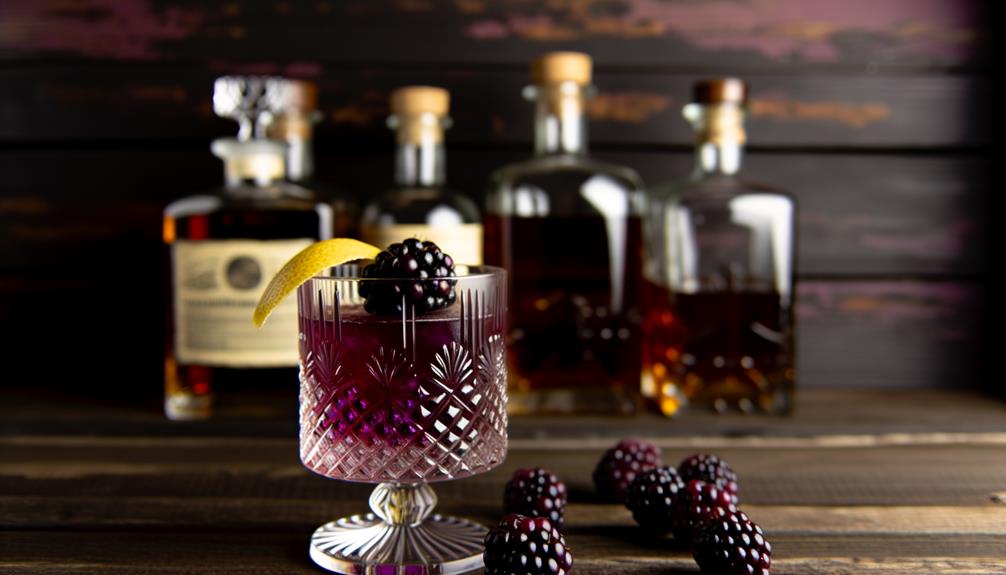
Fresh blackberries turn the sour into something that tastes like late summer. The berries bring tannin and a dark fruit sweetness that softens the edge of the lemon, and they give the drink a deep purple colour that looks like far more effort than it takes.
What you need:
- 60 ml (2 oz) Scotch; The Glenlivet Founder’s Reserve works well here
- 22 ml (3/4 oz) fresh lemon juice
- 15 ml (1/2 oz) simple syrup
- 4 to 5 fresh blackberries (frozen work in a pinch)
- 1 egg white, optional
Method: Muddle the blackberries in the bottom of the shaker until they break down. Add the Scotch, lemon, syrup, and egg white. Dry shake, then shake with ice. Double strain through a fine mesh sieve into a rocks glass over fresh ice, so you catch the seeds and pulp and keep the texture clean. Garnish with a single blackberry on a pick.
Orchard Shelter: Fig and Pear
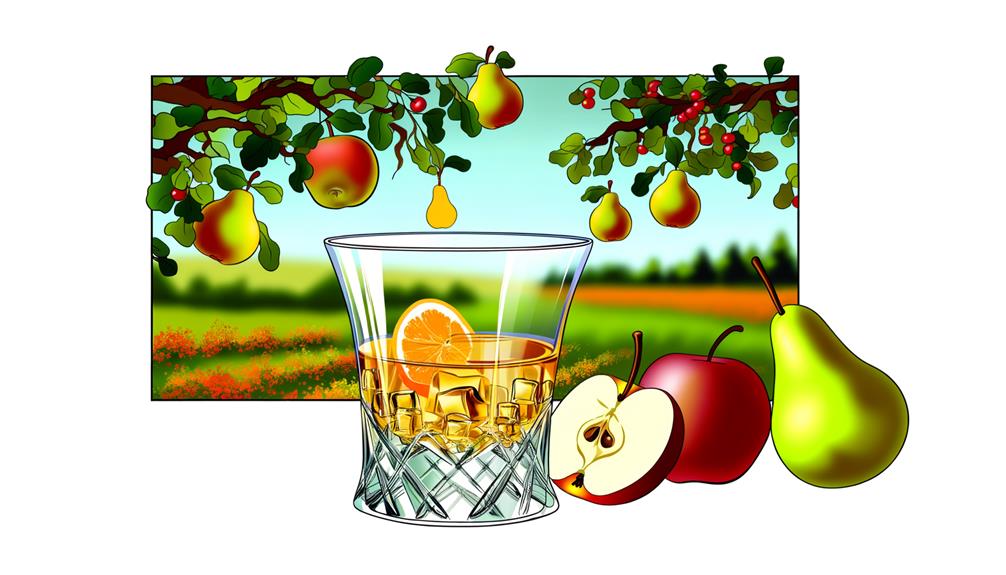
This one leans autumnal. Fig liqueur and pear brandy pull the drink toward orchard fruit and warm spice, and a touch of maple ties it together. It runs richer and lower in acidity than the classic, so treat it as an after-dinner sour rather than a porch drink.
What you need:
- 45 ml (1 1/2 oz) Scotch
- 15 ml (1/2 oz) fig liqueur
- 15 ml (1/2 oz) pear brandy
- 22 ml (3/4 oz) fresh lemon juice
- 10 ml (1/4 oz) maple syrup
Method: Combine everything in a shaker with ice and shake until well chilled. Strain into a coupe. The maple here acts as a quiet connector rather than a headline flavour. If you want it forward, bump it to 15 ml, but taste as you go so the fig does not get lost.
Maple New York Sour
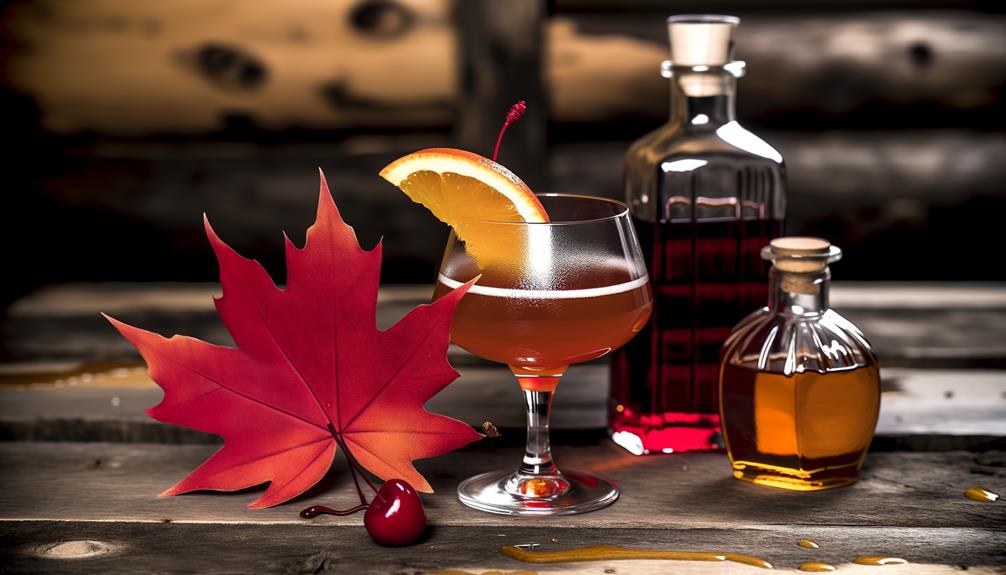
A New York Sour is a standard whisky sour with a float of red wine on top, and the maple version swaps the simple syrup for the real thing. The wine float looks dramatic and adds a dry, tannic layer that cuts the sweetness. Traditionally the base is American whiskey, usually rye or bourbon, but VSOP cognac works if you want something rounder.
What you need:
- 60 ml (2 oz) rye whiskey (a Canadian rye such as JP Wiser’s Deluxe is a natural fit), or VSOP cognac for a softer version
- 22 ml (3/4 oz) fresh lemon juice
- 15 ml (1/2 oz) maple syrup
- 1 egg white
- 15 ml (1/2 oz) dry red wine, such as Malbec or Cabernet Sauvignon, for the float
Method: Shake the rye, lemon, maple, and egg white without ice first, then with ice. Strain into a rocks glass over a large cube. To float the wine, hold a bar spoon just above the surface and pour slowly over the back of it so the wine sits as a distinct red layer on top. Do not stir. A Canadian whisky base leans into the maple and keeps the whole drink on home turf.
Pomegranate Whisky Sour
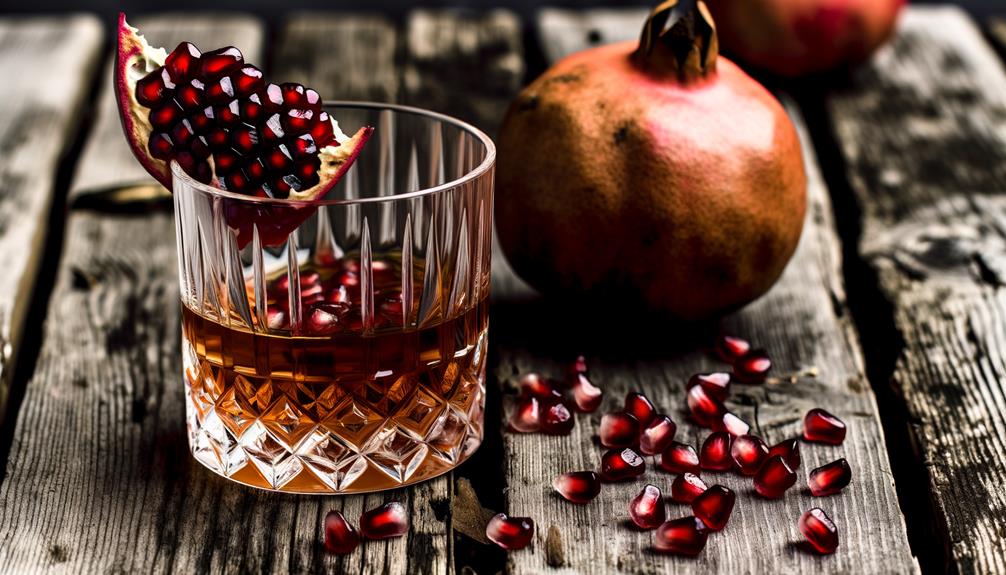
Pomegranate juice does double duty: it adds a tart, berry-like fruit note and turns the drink a deep ruby colour. It is an easy swap that keeps things firmly in sour territory while giving the glass more going on than the original.
What you need:
- 60 ml (2 oz) Scotch
- 30 ml (1 oz) fresh lemon juice
- 30 ml (1 oz) pomegranate juice
- 15 ml (1/2 oz) simple syrup
Method: Shake everything with ice for about 20 seconds and strain into a glass over fresh ice. If you want it sharper, replace half the lemon with lime. A splash of passion fruit juice leans tropical, though it pulls the drink away from the Scotch and toward something closer to a rum sour, so use a light hand.
A Few Rules That Apply to Every Version
The variations above share the same bones, so the same small habits improve all of them:
- Use fresh lemon juice. Bottled juice has a flat, cooked flavour that no amount of technique fixes. A single lemon yields about 45 ml, enough for two drinks.
- Dry shake when there is egg white. Shaking without ice first builds a thicker, longer-lasting foam. Skip it and the top falls flat fast.
- One large cube beats several small ones. A big cube melts slowly and keeps the drink cold without watering it down over the evening.
- Taste before you pour. Lemons vary in acidity and sweetness from fruit to fruit. Add the syrup gradually and adjust to the citrus you actually have.
Pick a Scotch you enjoy drinking neat. The cocktail does not hide a bad bottle; it just rearranges it. A solid blended Scotch in the $40 to $60 CAD range gives you plenty to work with, and you can keep the expensive single malts for the glass, not the shaker.