

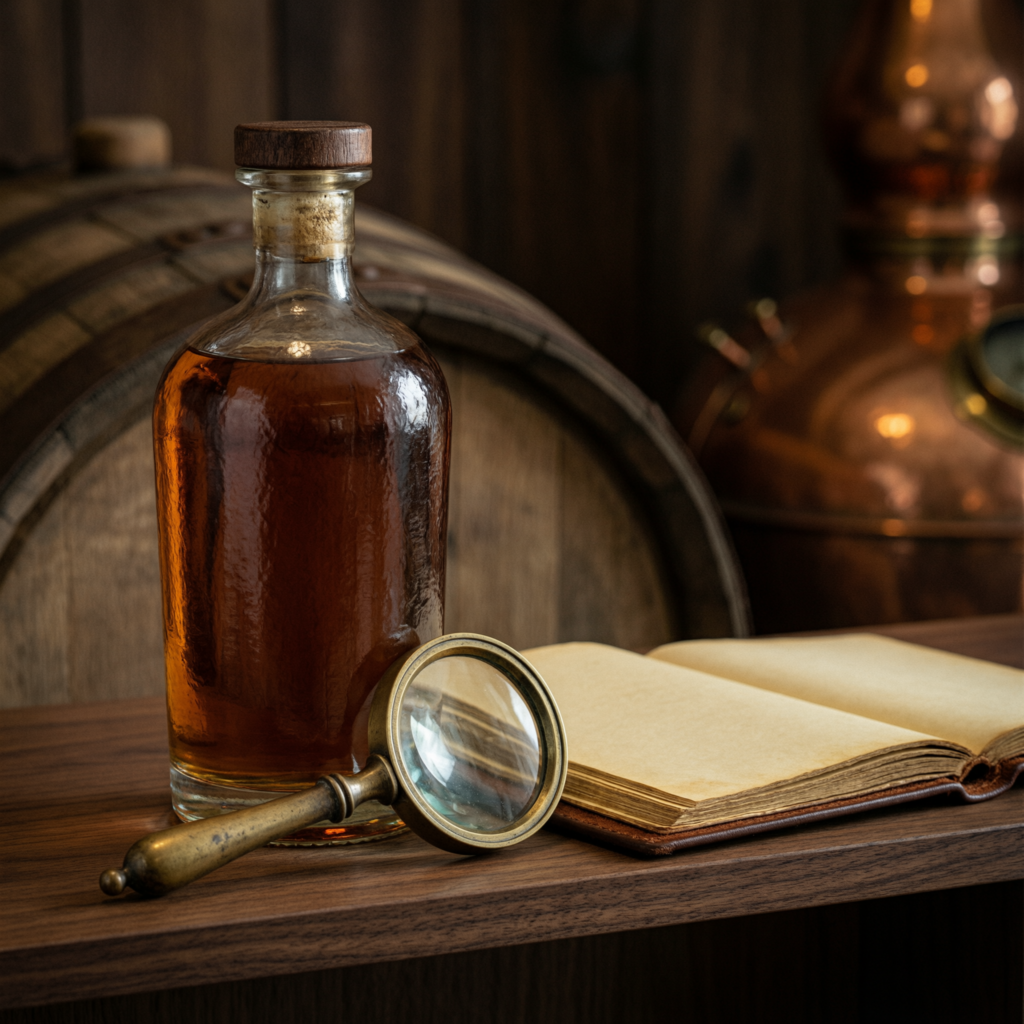
A single bottle of Macallan 1926 sold at Sotheby’s in November 2023 for US$2.7 million, the most ever paid for a spirit at auction. That headline grabbed attention far beyond the whisky community, and it raised a fair question for anyone sitting on a dusty bottle or two: could rare whisky actually be a sound place to park money?
The short answer is yes, but only if you know what you’re looking at. Most bottles sitting on a shelf will never appreciate. The ones that do share a set of traits, and learning to spot them is the whole game. After years of tracking auction results, secondary-market pricing, and distillery release schedules, I’ve put together what I consider the practical guide to finding rare whisky that holds and grows its value.
What Makes a Whisky Investable
Scarcity is the starting point, but it’s not the whole story. A whisky needs scarcity plus demand. A limited run from an unknown distillery that nobody wants is still just a limited run. What drives prices upward is the combination of low supply and high collector interest.
Think about a 42-year-old bourbon from a distillery that shut its doors decades ago. There will never be another bottle. Every one that gets opened and poured is one fewer that exists. That arithmetic is what pushes prices into four and five figures. The same logic applies to a Yamazaki 25-Year-Old or a Mortlach 25-Year-Old. These aren’t mass-market pours. They carry a story of specific casks, specific years, and specific decisions made by a distiller decades ago. Collectors pay for that narrative as much as the liquid.
For a deeper look at how to evaluate casks and bottles as assets, our guide to investing in rare whiskey and casks breaks down the asset-class fundamentals.
Brands and Bottles That Command Attention
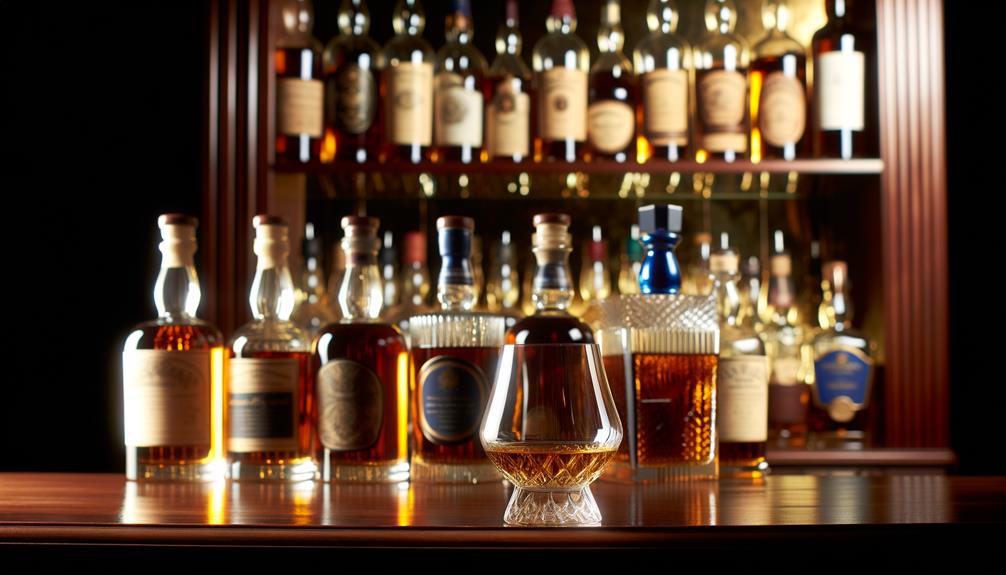
A handful of names consistently dominate the upper end of auction results. Knowing them saves you time and money.
Macallan remains the blue chip of Scotch. The 1926 vintage, of which only 40 bottles were ever produced, has set auction records multiple times. Even younger Macallan expressions from the Fine and Rare series trade actively on secondary markets. In December 2025, a Macallan in Lalique 50-Year-Old fetched US$100,684 at Whisky.Auction, a reminder that the brand still pulls serious money even as broader prices have cooled.
Lagavulin sits at the other end of the flavour spectrum. The 25-Year-Old Single Cask releases from Islay carry a smoky intensity that peat lovers will pay a premium for. Older vintages from the 1970s and 1980s routinely cross five figures at auction.
Balvenie Tun 1401 and Tun 1509 series are blended-vat releases that showcase what a skilled malt master can do with a range of cask types. They’re produced in genuinely small quantities and tend to appreciate steadily rather than spike.
Closed distilleries are their own category. Rosebank, Littlemill, Port Ellen, and Brora all ceased production years ago, and their remaining stock shrinks every time a bottle is opened. Diageo has restarted production at Port Ellen and Brora, but the original “silent era” bottles carry a premium that the new-make releases are unlikely to match for decades.
GlenDronach vintage releases, particularly the single-cask bottlings from the 1960s and 1970s, have become collector favourites. A GlenDronach 1968 bottled for the Australian market (the “ANA” release) is the kind of bottle that makes auction rooms go quiet.
On the bourbon side, Pappy Van Winkle (Old Rip Van Winkle) remains the most hyped American whiskey on the secondary market. In March 2025, a rare Old Rip Van Winkle bottle set a record as the highest-selling post-Prohibition American whiskey at auction, fetching US$125,000 (Robb Report). Buffalo Trace’s Antique Collection, released annually in limited quantities, also trades well above retail.
How to Judge Quality Before You Buy
Age statements get a lot of attention, but they’re only one part of the picture. Here’s what I actually look at before committing money to a bottle.
- Age and cask interaction. A 30-year-old single malt isn’t automatically better than an 18. What matters is how the spirit interacted with the wood over those years. A whisky aged in a first-fill sherry butt will develop differently from one in a refill bourbon barrel. Look for tasting notes that describe depth and complexity, not just “smooth.”
- Distillation and production methods. Suntory’s Yamazaki distillery, for instance, uses a combination of pot still shapes and fermentation times that produce a distinctly layered spirit. That specificity is part of what makes older Yamazaki bottlings so sought after.
- Production volume. Limited editions and single-cask bottlings have a built-in scarcity advantage. Pappy Van Winkle’s annual allocation is famously tiny, which is a major reason secondary prices run so high.
- Condition and provenance. Fill level, label condition, original packaging, and a traceable purchase history all affect resale value. A bottle with its original box and a receipt from a reputable retailer will outsell a bare bottle with an unknown backstory.
Tasting matters too, even for investment bottles. You should want to drink the thing, at least in theory. A whisky that tastes genuinely good has a broader buyer pool than one that’s only valuable because it’s rare. If you’re building a collection from scratch, our piece on kickstarting your whisky collection covers the basics of building a balanced shelf.
What Drives the Price Tag
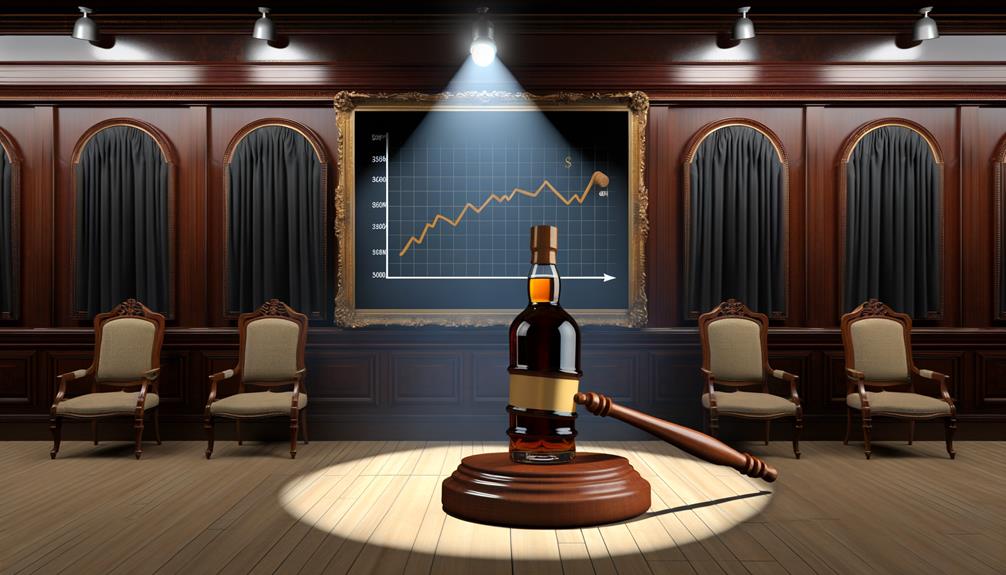
Rare whisky pricing isn’t mysterious once you’ve watched enough auction cycles. A few factors do most of the work.
| Factor | How It Affects Price |
|---|---|
| Scarcity and edition size | Fewer bottles produced means higher competition among buyers |
| Age and maturation | Longer ageing and unusual cask types (sherry, port, mizunara oak) add cost |
| Brand and distillery reputation | Established names like Macallan, Springbank, and Yamazaki carry a premium |
| Provenance and condition | Original packaging, fill level, and documented history add value |
| Market demand cycles | Prices fluctuate with broader collector sentiment and economic conditions |
It’s worth being honest about the market’s recent direction. The Knight Frank Luxury Investment Index showed rare whisky fell roughly 9% in 2023, making it one of the weaker luxury asset categories that year (Knight Frank Wealth Report 2024). The froth of 2019-2021, when prices seemed to only go up, has cooled. But that correction has also made the market more rational. Bottles that were overpriced at the peak have come back to earth, and well-chosen acquisitions from 2024 onward may look like bargains in a few years.
Auction results from late 2025 suggest the top end remains strong even while mid-tier prices have softened. The December 2025 Whisky Advocate auction report noted a Macallan in Lalique 50-Year-Old selling for over US$100,000, “bucking the trend of falling Macallan prices that began in 2024.” Translation: the trophy bottles still sell. The speculative middle has thinned out.
Where to Buy Rare Whisky Online
The online secondary market has matured considerably. You no longer need to show up at a London auction house in person to bid on a 50-year-old single malt. Here are the channels I trust and use.
Specialist auction platforms. Whisky.Auction (Scotland-based, now part of the Sotheby’s network), Whisky Auctioneer, and Bonhams all run regular online sales. They vet provenance, provide condition reports, and handle shipping. Fees typically run 15-20% on top of the hammer price, so factor that into your bid ceiling.
Retailers with secondary-market arms. Shops like The Whisky Exchange, Master of Malt, and Canada’s own online retailers occasionally stock allocated or back-vintage bottles at or near retail. These are the best value when you can get them, because you skip the auction premium.
Private sales and collector networks. Whiskybase and various Facebook and Discord collector groups facilitate person-to-person trades. Prices can be better, but the risk of fraud or misrepresentation is higher. Only buy from sellers with a long, verifiable track record.
For Canadian buyers specifically, provincial liquor boards (LCBO, SAQ, BCLDB) occasionally release limited allocations through lottery or in-store events. These are worth monitoring because the retail pricing undercuts the secondary market significantly. If you’re new to how Canadian whisky fits into the broader picture, our overview of what Canadian whisky actually is is a useful starting point.
A few categories worth watching for value right now:
- Blended Scotch from the 1960s-1980s. Old blends like Johnnie Walker Blue Label vintage bottlings or independent blends from Gordon & MacPhail are still reasonably priced relative to single malts of the same age.
- Sherry-cask matured single malts. Glendronach, Glenfarclas, and Aberlour sherry maturations have a loyal following and tend to hold value well.
- Japanese whisky. Yamazaki, Hakushu, and Nikka releases from the early 2000s are getting scarce as global demand outpaces supply. Suntory’s older age-stated expressions have appreciated sharply since 2015.
If you want a structured approach to bidding, our guide on how whisky auctions work walks through the process from registration to payment.
Building a Rare Whisky Investment Strategy
Buying a single rare bottle and hoping for the best isn’t really a strategy. A more disciplined approach looks something like this:
- Set a budget and stick to it. Treat whisky investment like any other alternative asset. Don’t put money in that you can’t afford to lock up for five to ten years.
- Diversify across regions and styles. A mix of Scotch, Japanese, American, and yes, Canadian whisky spreads your risk. The Canadian scene is producing some genuinely age-worthy bottles right now. Shelter Point on Vancouver Island and Forty Creek in Ontario are making releases that deserve a spot on a collector’s shelf.
- Buy what you’d drink. If the market turns and your bottles don’t appreciate, you should at least enjoy opening them. That’s the floor under any whisky investment.
- Keep records. Store purchase receipts, auction lot numbers, and condition photos. Provenance documentation adds real value at resale time.
- Understand the tax angle. In Canada, the CRA treats collectible whisky differently from financial securities. Capital gains rules apply, and there are specific reporting requirements. Talk to an accountant who understands alternative assets before you start trading in volume.
For a fuller strategic framework, our piece on crafting a whisky investment strategy covers portfolio construction, holding periods, and exit timing in more detail. And if barrel-level investing interests you more than bottle collecting, the whiskey barrel investing guide explains how cask ownership works.
Frequently Asked Questions
Is rare whisky a good investment?
It can be, with caveats. The top tier of the market (Macallan, closed-distillery bottlings, ultra-aged Japanese whisky) has shown strong long-term appreciation. But the broader market corrected sharply in 2023-2024, and many mid-tier bottles lost value. Whisky works best as a small, patient slice of a diversified portfolio, not as a get-rich-quick play. You also need to genuinely enjoy the subject, because holding periods of five to ten years are normal.
What bottles are most sought after right now?
Macallan’s oldest vintages (1926, 1928, the Fine and Rare series) still top auction results globally. Pappy Van Winkle and Buffalo Trace Antique Collection dominate American whiskey demand. In Scotch, closed-distillery bottles from Port Ellen, Brora, Rosebank, and Littlemill continue to climb. Japanese whisky, particularly Yamazaki 18 and older, remains tight on supply. Canadian releases from Shelter Point and Forty Creek are gaining collector interest, though they’re still early in their appreciation curve.
What whisky is likely to be worth money in the future?
Look for bottles with genuine scarcity (limited production, closed distilleries, discontinued expressions), strong brand recognition, and critical acclaim. Lagavulin 1991 single casks, GlenDronach vintage bottlings, and older Yamazaki releases fit that profile. Whiskies from distilleries that have recently closed or paused production also tend to appreciate, since no new stock is coming. The key is to buy at or near retail when possible, rather than chasing secondary-market prices that have already run up.
How do I know if a bottle is authentic?
Buy from reputable auction houses and retailers that guarantee provenance. Check fill levels, label printing quality, capsule condition, and batch codes. For high-value bottles, request a certificate of authenticity or a verified purchase history. If a price looks too good to be true on a marketplace listing, it probably is. Counterfeiting is a real problem at the top end, particularly for Macallan and older Japanese whisky.