

Whisky auctions reward preparation over bravado. I have spent more evenings than I care to admit watching countdown timers on auction sites, and the pattern never changes: the people who win are the ones who did their homework days before the lot ever went live. The sale itself can feel hectic, but the real work happens earlier, in the research. Here is how I approach it, and the mistakes I keep seeing newcomers repeat.
Understanding Whisky Auction Basics
Auction houses such as Bonhams in Edinburgh employ dedicated whisky specialists who assess, authenticate, and catalogue each lot before it sells. That expertise is the reason a well-run sale carries any credibility at all; the specialists assign realistic estimates and flag problems that a photo alone would hide. Online platforms like Whisky Auctioneer and Whisky.Auction have opened the whole process up, so you can bid from your kitchen table in Calgary on a bottle sitting in a Scottish warehouse.
I buy and sell on both kinds of platform, and I regularly trade out of bottles that no longer interest me to fund the ones I actually want. That cycle is part of the fun. If the mechanics of lots, reserves, and buyer’s premiums are new to you, our guide to whisky auctions walks through how a sale runs from listing to hammer.
One footnote worth knowing: the old EU-US tariff dispute that hit Scotch whisky exports was suspended back in 2021, so the worst of that disruption is behind the market. The episode was a useful reminder, though, that whisky prices do respond to trade policy, and it nudged plenty of collectors (me included) to branch out into cognac and Armagnac.
Research Before the Auction
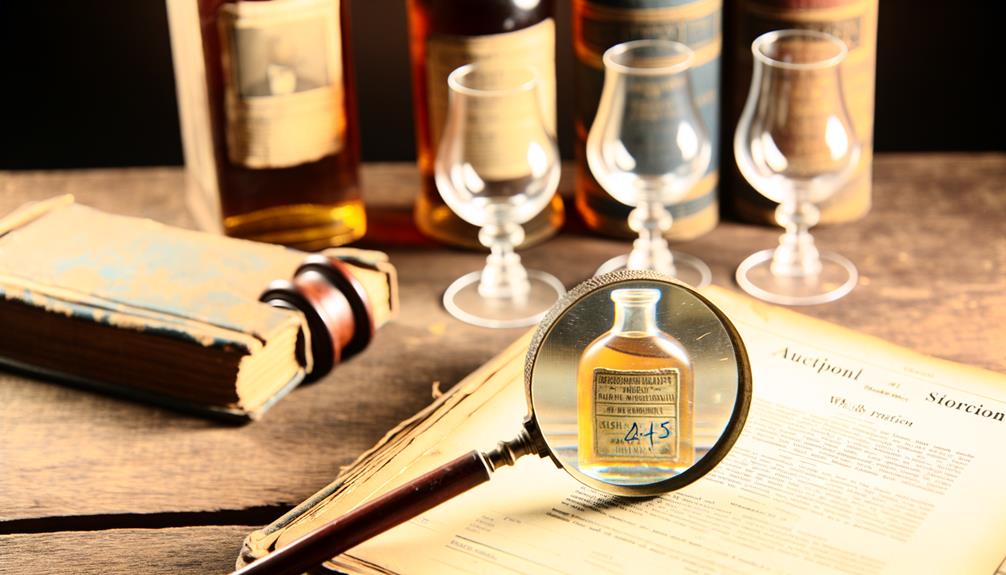
The bidding itself looks simple. It is the research beforehand that decides whether you win well or overpay. To land rare bottles at a fair price, you need to learn the habits of each platform you use, study what comparable bottles have sold for, and check the condition of the specific lot you want.
Always request a condition report from the house. It describes fill levels, label condition, capsule integrity, and any flaws that affect value. The bottle is not the only thing to cost out, though. Factor in the buyer’s premium, any applicable tax, shipping, and insurance before you decide what you can afford to bid. Read each house’s published fee schedule rather than guessing; these charges vary and they add up fast.
For past prices, the free Whiskybase price database is a sensible starting point, and the major houses publish their own archived results. Then set a hard maximum for each lot and hold the line. It is painfully easy to get swept up in the last minute of a sale, so discipline is what separates a good purchase from an expensive regret. Doing your homework before the auction is your single biggest advantage.
Developing a Smart Bidding Strategy

A bidding plan is mostly about timing, knowledge, and picking the right venue. Pull those three together and you improve your odds of landing rare bottles without paying more than you need to.
- Timing. Some bidders go early to signal intent and discourage competition. Others wait and place a final bid in the closing seconds, which on platforms that extend the clock can drag a sale out. Both work; pick the one that suits your nerves and stick with it.
- Research. Know the whisky before you bid on it. Look at what it has fetched at previous auctions so your maximum bid is grounded in reality rather than adrenaline.
- Market trends. Track which categories are running hot. Closed-distillery malts and limited Japanese releases have stayed in demand, and reading that momentum helps you anticipate where prices head.
- Venue. Choose a house or platform with a solid reputation for whisky, transparent fees, and a genuine audience of buyers. A strong venue gets you better prices on both sides of a trade.
Bidding only really makes sense inside a broader plan for your money. If you are trying to decide how auctions fit alongside long-term holdings, our piece on crafting a whisky investment strategy is the place to start.
Watch the Real Costs, Especially Across the Border
The hammer price is never the final price. Buyer’s premiums, tax, shipping, and insurance can add a substantial amount on top, so work out your all-in ceiling before the sale starts, not during it.
Canadian buyers should budget for one more layer: when a lot is imported into Canada, the CBSA can collect GST or HST and possibly duty at the border, and the courier will add a brokerage fee. The exact amount depends on your province, the lot’s declared value, and where it shipped from, so ask your shipper for a landed-cost estimate before you commit. A bottle that looks cheap at the hammer can turn expensive once it clears customs.
Overcoming Common Auction Challenges

The two genuine risks at auction are authenticity and your own excitement. Vet the platform’s reputation before you register, and lean on condition reports and provenance records to confirm a bottle is what it claims to be. Reputable houses stand behind their cataloguing, which is exactly why buying through them beats taking a chance on an unverified seller.
Then there is the discipline problem. Research what comparable bottles are worth so you can recognise the moment a bid stops being sensible. Set that maximum budget, get shipping quotes in advance, and treat your ceiling as a promise you made to your future self. The thrill of the room is real, and it is expensive.
What Winning Actually Looks Like

The lots that command the highest prices tend to share a few traits: whisky from closed distilleries such as Port Ellen, Brora, and Hanyu; limited single-cask or age-stated releases; and spotless provenance. The Macallan’s Fine and Rare series, particularly the older expressions, has long been a benchmark at the top end, while Ichiro’s Malt from the Hanyu Full Card series is among the most chased Japanese whisky on the secondary market. Houses like Bonhams and Sotheby’s publish their sale results, so you can study what these bottles actually fetch rather than relying on hearsay.
The bidders who land them are rarely the loudest. They are the ones who researched the lot, knew their maximum, and stayed calm when the price climbed. Experience helps, but preparation beats it; a well-briefed newcomer with a firm budget can absolutely beat a seasoned collector who got emotional.
Frequently Asked Questions
How do you win a live auction?
Start by studying past prices for the lot, then time your bids to fit within the range that research supports. Keep a cool head and avoid spur-of-the-moment raises. Plan ahead, set a sensible budget, and treat it as a ceiling, not a suggestion. That discipline is most of the battle.
How do you bid properly?
Get a condition report on the lot first. Set a budget that already includes all fees, check what comparable bottles are worth, line up shipping quotes, and clear your schedule for the sale so you can actually take part. Being prepared and staying present through the whole process is what good bidding looks like.
If auctions feel a little too hands-on for your taste, there are other ways to put money into whisky. Our guide to investing by the cask covers the slower, larger-scale route, and if you are still assembling your first bottles, our advice on kickstarting a whisky collection will get you started on solid footing.