

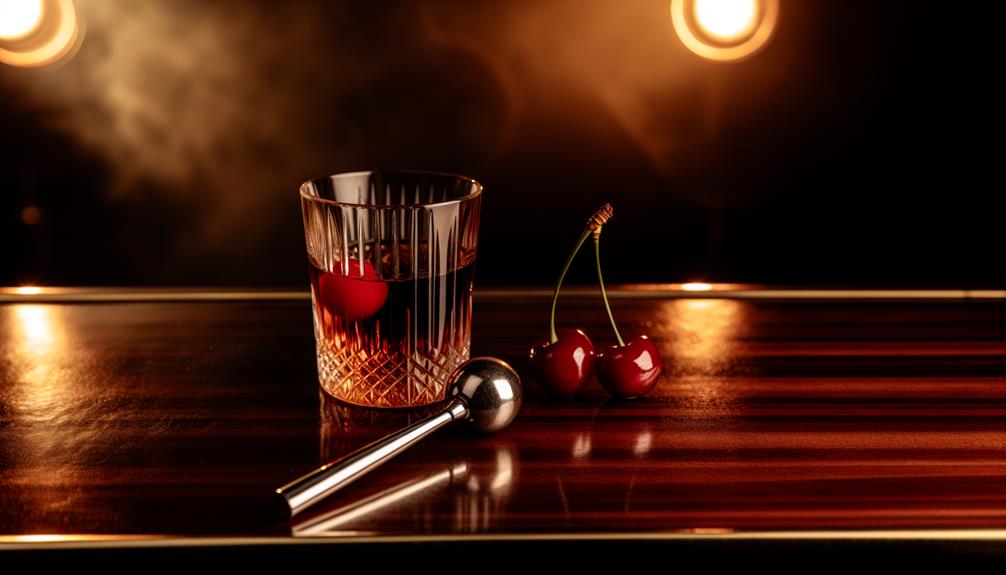
A Rob Roy is a Manhattan that swapped American whiskey for Scotch, and for a lot of drinkers that swap is the whole point. You keep everything comforting about the original stirred drink, but the Scotch brings smoke, malt, and a little heather underneath the sweetness of the vermouth. Three ingredients, one mixing glass, about three minutes of your time.
Below: the full recipe with metric measures, the story behind the name, the three classic variations, and how to pick a Scotch that holds its own in the mix.
The Rob Roy origin story
As the story goes, the Rob Roy first appeared at the old Waldorf-Astoria in New York in the 1890s, timed to the Broadway run of the operetta Rob Roy. The show told the tale of Robert Roy MacGregor, the Highland cattle drover and outlaw remembered as a Scottish folk hero. Bartenders at the hotel were already riffing on the Manhattan, and swapping the base spirit for blended Scotch made for a fitting tribute to the play.
The build has barely changed in more than a century: 45 ml (1½ oz) of Scotch, 22 ml (¾ oz) of sweet vermouth, two dashes of bitters, stirred over ice and strained into a chilled glass with a cherry on top. The drink is also a tidy way to settle the whisky versus whiskey question once and for all. Same template, two spellings: American whiskey makes it a Manhattan, and Scotch makes it a Rob Roy.
What goes into a Rob Roy
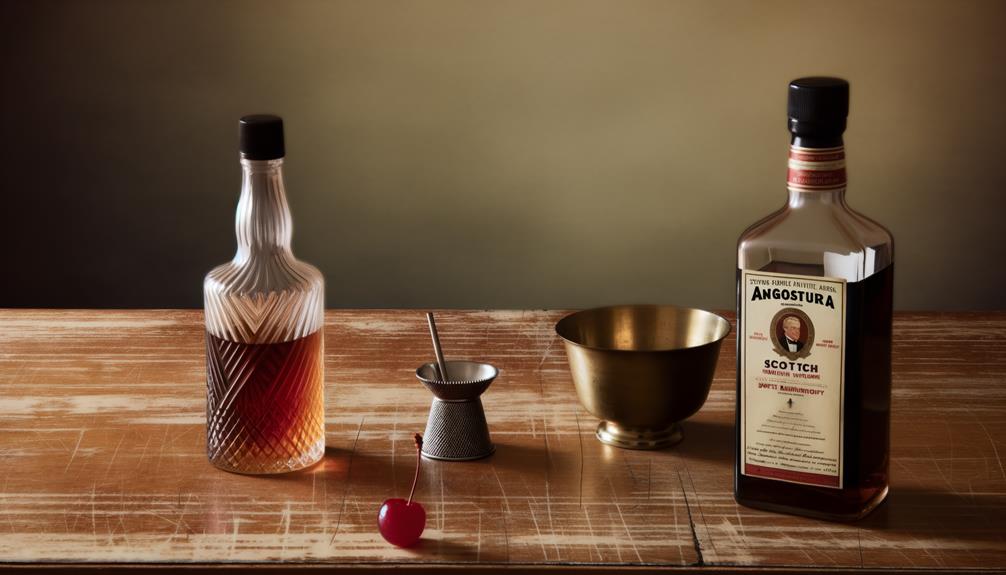
Three ingredients means each one earns its place. Here is the shopping list:
- Scotch whisky, 45 ml (1½ oz). The base and the flavour engine of the drink. A good blended Scotch is the classic call: something like Famous Grouse or Monkey Shoulder has the weight to stand up to vermouth without dominating it.
- Sweet vermouth, 22 ml (¾ oz). Fortified wine that brings sugar, spice, and body. Buy it in smaller bottles if you can. It oxidises once opened, and a stale bottle will flatten the whole drink.
- Angostura bitters, two dashes. The seasoning. Bitters pull the sweetness and the smoke into line so neither wins.
- A cherry to garnish. Skip the neon-red maraschino if you can find brandied cherries, which are a serious upgrade. A lemon twist works for the dry version.
The ratio above, two parts Scotch to one part vermouth, is where I land. Older recipes often ran wetter, closer to equal parts, and if you prefer a softer, rounder drink that is a fair place to start. Stir it once at 2:1, once at 1:1, and keep notes. That is genuinely the fastest way to learn your own palate.
The one decision that matters most is the Scotch. A mid-priced blend sits comfortably in the mix. If you want to reach for a single malt, lean Speyside: a fruit-forward malt like Glenfiddich 12 brings apple and honey notes that suit sweet vermouth well. I would hold back the heavily peated Islay bottles for neat pours. All that smoke fights the vermouth instead of working with it, and you lose the balance the drink is built on.
One aside for the home crowd: swap the Scotch for a rye-forward Canadian whisky like J.P. Wiser’s and you are essentially back in Manhattan territory. It is still a fine drink, but call it a Manhattan and save the Rob Roy name for the Scotch build.
How to make it, step by step
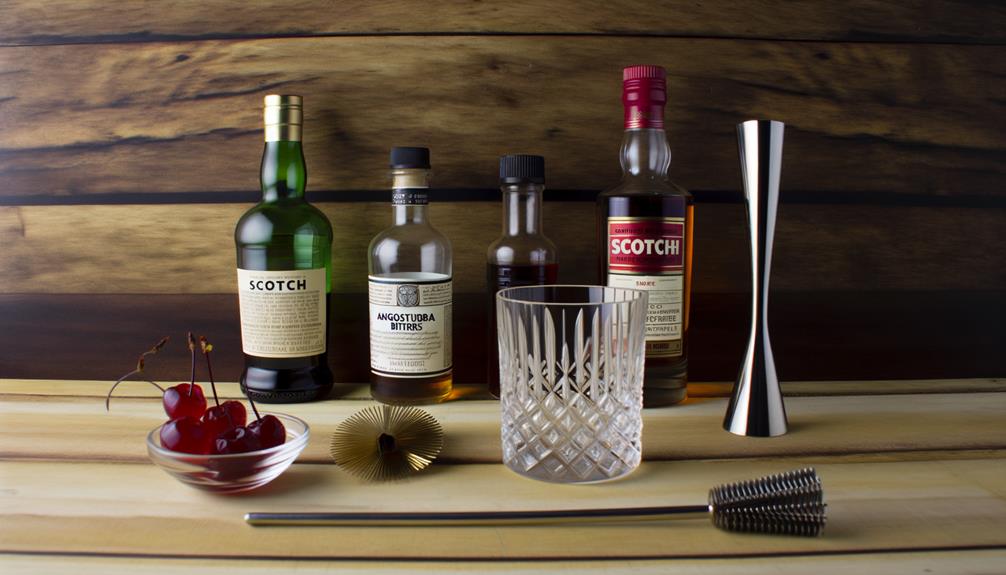
The method is short, but the details decide the drink.
- Chill the glass. Put a coupe or martini glass in the freezer, or fill it with ice water while you mix.
- Fill a mixing glass with ice. Use more ice than feels reasonable. A full mixing glass chills faster and dilutes more evenly than a sparse one.
- Pour in 45 ml (1½ oz) of Scotch.
- Add 22 ml (¾ oz) of sweet vermouth.
- Add two dashes of Angostura bitters.
- Stir for about 30 seconds. Smooth, steady rotations with a bar spoon. You are after chill and gentle dilution at the same time, and the stir gives you both.
- Strain into the chilled glass. Empty the ice water first if you went that route.
- Garnish. Drop in a brandied cherry, or express a lemon twist over the surface and run it around the rim for the dry version.
Two habits separate a good Rob Roy from a watery one: fresh vermouth, and patience with the stir. The drink is ready when the outside of the mixing glass frosts and the mixture tastes cold rather than hot. Tasting the stir with a bar spoon is the cheapest quality control there is, so use it.
Rob Roy variations worth trying
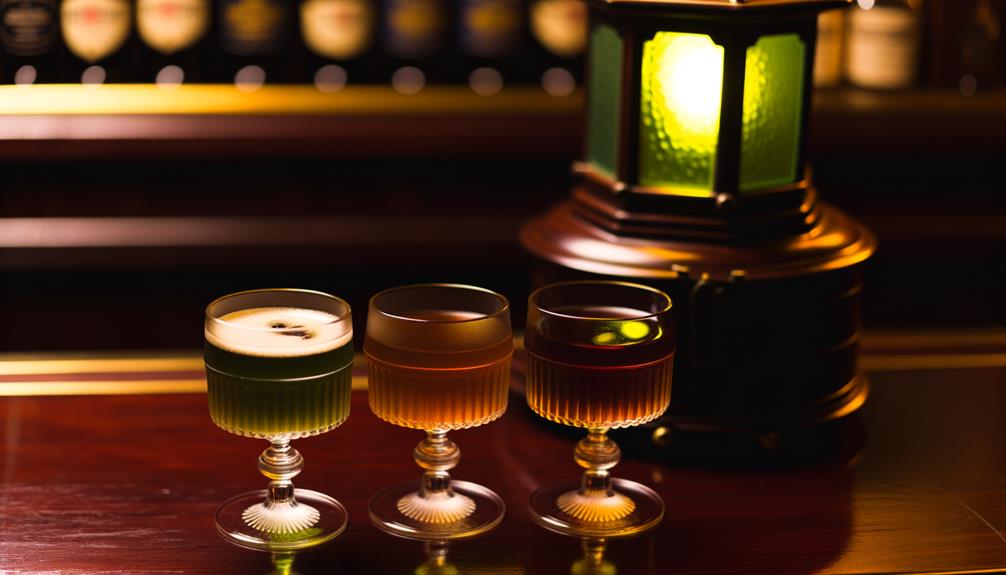
The Rob Roy bends the same way a Manhattan does. Three ordered variations have stuck around:
| Variation | Build | Method |
|---|---|---|
| Dry Rob Roy | Scotch, dry vermouth, bitters | Stirred over ice, strained, lemon twist or olive |
| Perfect Rob Roy | Scotch, half sweet and half dry vermouth, bitters | Stirred over ice, strained |
| Rob Roy on the Rocks | Scotch, sweet vermouth, bitters | Built over ice in an old fashioned glass |
The Dry is leaner and sharper, a good before-dinner pour. The Perfect splits the vermouth sweet and dry, and it is the one I order most: you keep some roundness without the full sweetness. On the rocks trades polish for ease, and the slow dilution suits a long evening.
There is also a fourth variation with real pedigree, the Bobby Burns: a Rob Roy with a barspoon of Bénédictine stirred in. The herbal liqueur meets the smoke halfway and makes something genuinely new. Try it before you decide it sounds too fussy.
If one stirred Scotch drink leads to another, our round-up of home-made whisky cocktails covers the rest of the short list worth learning.
How strong is a Rob Roy?
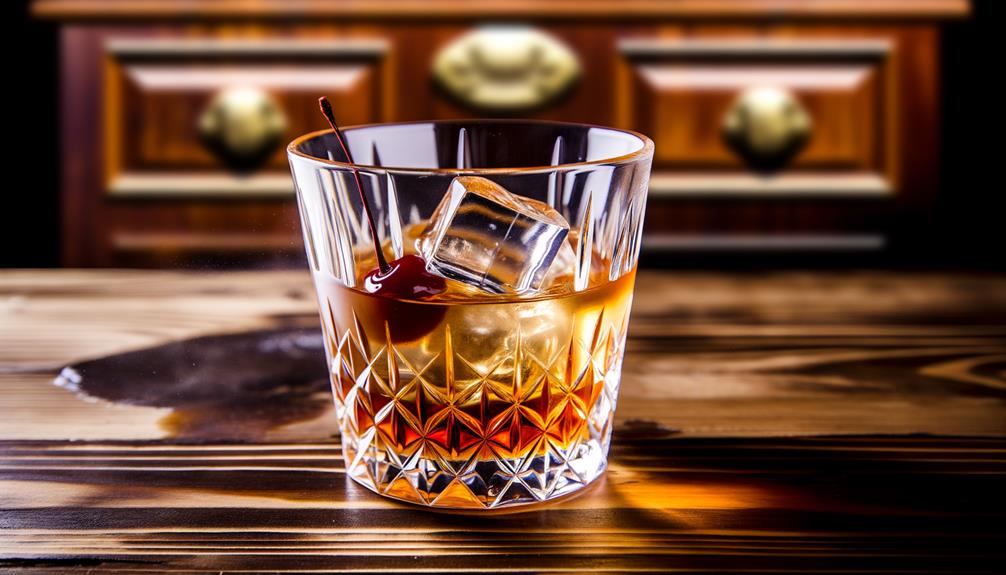
Stronger than it tastes, and that is both the charm and the trap. A quick ballpark:
- Scotch is bottled at a minimum of 40% ABV by law, and sweet vermouth typically sits somewhere around 15 to 18% ABV (the label will tell you exactly).
- Mix two parts of the first with one part of the second, allow for the water a proper stir adds, and the drink in your hand lands somewhere around 25 to 30% ABV. Roughly half the strength of the neat Scotch you poured.
- Dilution is your throttle. A longer stir lowers the ABV and softens the texture at the same time, so strength and smoothness move together.
- Stale vermouth makes the drink read boozer than it is, because the flattened sweetness leaves the alcohol exposed. Another reason to refrigerate the bottle and replace it within a month or two of opening.
None of this is a reason to skip the second round. It is a reason to pour the second round deliberately, and to make it a Perfect so you can compare the two side by side.