


Investing in whisky looks simple from the outside: buy a good bottle, wait, and sell it for more. Anyone who has tried knows there is more to it than that. I’ve spent years tracking market trends, learning why age statements move prices, and figuring out which bottles actually appreciate and which just sit on a shelf. If you are brand new to all this, start with our primer on whisky investing fundamentals. This guide pulls together the strategy I actually use: how to read the market, how to spot valuable bottles, how casks fit into a portfolio, which brands deserve your attention, and how auctions sharpen your judgement.
Understanding Whisky Market Trends
Whisky prices don’t move at random. Production cycles, shifting buyer tastes, and the release calendar all push values around. Staying on top of these forces is what keeps a whisky investment strategy profitable instead of hopeful.
Watch new distilleries and limited releases closely. They often signal where demand is heading before the numbers show up, and they give you a chance to buy into a whisky cask investment before the crowd arrives. I also track supply and demand by category, because it’s not about what I happen to like. It’s about what buyers will actually pay for.
Industry news matters too. Following distillery announcements, production changes, and auction results lets me adjust my positions early. Whisky investor groups and online forums are good places to compare notes with people who have lived through more market cycles than you have.
What Changed in 2024 and 2025
The market I trade today is not the market of the pandemic years. After prices ran hard through 2021 and 2022, rare whisky cooled. Auction indices pulled back from their peaks through 2023 and 2024, and bottles that once flipped quickly started sitting longer. That correction was not the end of whisky investing. It was a return to selectivity. Blue-chip bottles from proven distilleries have held their ground far better than speculative releases, and cask buyers have grown more careful about provenance and exit routes.
My read: treat 2024 and 2025 as a buyer’s window rather than a reason to walk away. Quality bottles are more reasonably priced than they were three years ago, and that matters if your horizon is a decade, not a season.
Identifying Valuable Whisky Bottles
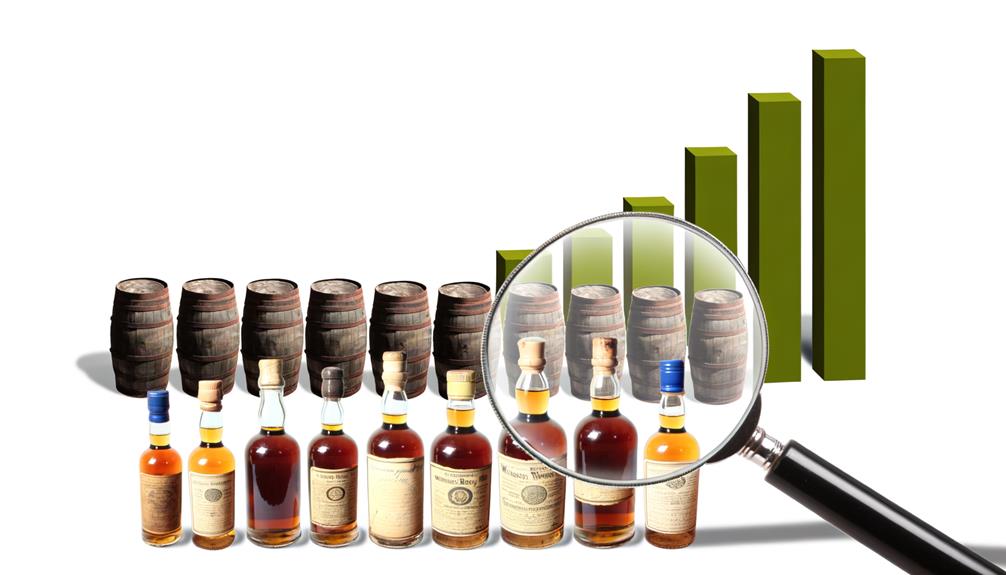
Once you understand where the market is heading, the next job is picking the bottles that will benefit. A handful of factors do most of the work.
- Distillery reputation and history. Houses with long track records hold value best. If you want to understand why Scotland still sets the standard, our piece on Scottish whisky quality explains it. Japanese, Irish, and American whiskies deserve serious respect too.
- Age and storage conditions. Older whisky usually commands more, but only if it has been kept properly. Fill levels, label condition, and cork integrity all feed into what a collector will pay. A rare bottle stored badly is worth far less than a common one stored well.
- Bottled or cask exit. Depending on your goals, you may do better selling whisky in cask or bottling it first. Each route has a different tax, cost, and timing profile.
Indices like the Rare Whisky 101 Apex 1000 can point you toward bottles with proven demand, and our guide to rare bottles and casks covers how these assets hold value over time. Just remember that whisky, like any investment, carries risk. Research properly, buy what you understand, and treat every bottle as a piece of history and craft, not just a line on a spreadsheet.
Investing in Whisky Barrels and Casks
Cask investing carries real upside and real risk, and you should go in knowing both. I have seen single malt casks deliver strong returns, and I have seen buyers lose money on casks they never examined properly on paper.
The work starts with research. Not “the brand name sounds familiar” research. Real research: what buyers want, what is trending, and what new distilleries are doing with their make. Buying casks from a young distillery is a bet that it will still matter in ten years, and it can pay off handsomely if you pick well.
Spread your money. Don’t put everything into Scotch. Casks from Japan, Canada, and emerging whisky regions can balance a portfolio, and our whisky barrel investing guide covers the mechanics in detail. Watch cask age too: older casks can command higher prices, but every year in wood means more evaporation loss, and a cask left too long can give back more than it gains.
Whisky Brands to Watch
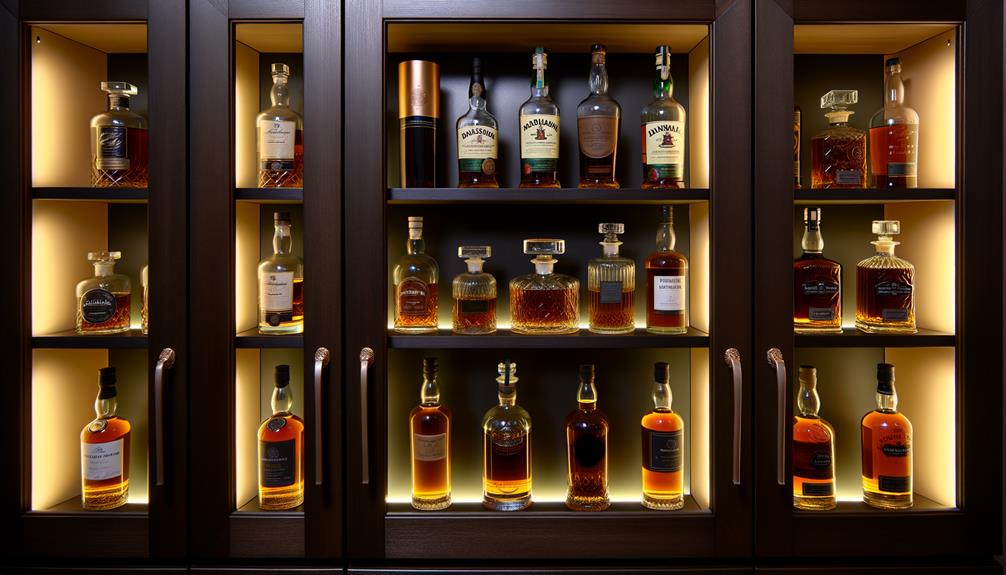
A short list of names keeps coming up in serious whisky portfolios: Macallan, Ardbeg, Dalmore, Bowmore, and Highland Park. Knight Frank’s wealth reports have tracked rare whisky as an asset class for years, and these distilleries consistently draw collector demand. Official distillery bottlings from them tend to be safer ground for new investors.
Limited Releases and Closed Distilleries
- Limited releases, especially those launched at whisky festivals, often spike in value once scarcity kicks in.
- Bottles from closed distilleries are a long-game favourite. Old Port Ellen bottlings from before the distillery shut in 1983 remain collector staples, and the same logic applies to other lost names.
Look Beyond Scotland
- Japanese whisky keeps setting auction records. Old Yamazaki releases are the obvious example, and aged Japanese stock is scarce enough that demand should stay strong.
- World whiskies like Kavalan and Amrut have built global reputations and steady demand.
- Don’t overlook Canada. Crown Royal’s Northern Harvest Rye took Whisky of the Year in Jim Murray’s Whisky Bible back in 2016, and JP Wiser’s, Forty Creek, and Shelter Point keep raising the bar. If you’re new to the category, our explainer on what Canadian whisky actually is is a good place to start, and our tour of the Canadian whisky scene covers the distilleries worth watching.
When you build a whisky investment strategy, spreading your money around is what protects you. A mix of casks and bottles from different distilleries and countries gives you a portfolio that can absorb a soft year without falling apart.
Bidding at Whisky Auctions
Auctions are where the market shows its hand. Studying results teaches you what buyers actually pay, which price patterns repeat, and where the gaps are. Watching how different whiskies perform across the big houses gives you an edge most buyers never develop. For the full walkthrough, see our whisky auction playbook.
Interest in whisky as an alternative investment has grown sharply over the past decade, and auction houses have the catalogues to prove it. Bottles with limited production, Pappy Van Winkle being the classic example, routinely command high prices, which tells you scarcity is doing the heavy lifting.
Go to tastings if you can. They teach you the small differences that move prices: the smoke of an Islay malt, the creaminess of a Highland dram. Flavour drives auction results more than most spreadsheets admit, and your palate is research too.
Storing Whisky and the Canadian Tax Angle
None of the above matters if the whisky itself goes bad. Keep bottles upright, out of sunlight, at a stable, cool temperature. Whisky stops ageing the moment it leaves the cask, so a bottle is about preservation, not maturation. Watch fill levels on older bottles: heavy evaporation, called ullage, cuts value fast.
For casks, storage is not optional in the same sense. In Scotland, casks must remain in HMRC-regulated excise warehouses while they mature, which is one reason cask investing runs through bonded warehouses and regulated brokers rather than your basement.
Canadians should also think about the tax side early. As a general rule, gains on collectibles held for personal enjoyment are not taxed in Canada the way investment income is, but if the CRA views your whisky activity as a business or a profit-making scheme, your profits become taxable. The line between collection and investment is a facts-and-circumstances test. Talk to a tax professional before you scale up, and keep records of every purchase either way.
Frequently Asked Questions
What Is the Best Way to Invest in Whisky?
Start with research, not money. Learn which brands have demand and which are rising, then buy limited editions and bottles with real scarcity. Storage matters as much as selection, because a bottle kept badly will never return what a well-kept one will. If you are building from scratch, our guide to starting a whisky collection will get your first shelf right.
Is a Whisky Collection a Good Investment?
It can be. Like fine wine, well-chosen whisky tends to gain value with age, and Canada’s collector community keeps growing. But it is not automatic. You need to understand the market, buy selectively, and hold long enough for appreciation to matter. Treat it like any other investment, with research and discipline, and it can earn its place in your portfolio.
What Is the ROI on Whisky Investment?
There is no fixed rate of return, and anyone quoting you a neat annual percentage is guessing. Results depend entirely on what you buy, when you buy it, and when you sell. Rare bottles tracked by indices like the Rare Whisky 101 Apex 1000 have delivered strong long-term gains, with sharp corrections along the way. Buy quality, hold for years rather than months, and keep your expectations honest.
Which Whisky Should You Invest In Right Now?
The answer changes year to year, but the principles don’t. Established Scotch names and limited editions from respected distilleries remain the core. Add world whiskies for balance, lean on older expressions where your budget allows, and never buy anything you can’t store properly. If you’re unsure where to begin, revisit the sections above or start with a single category you genuinely enjoy, then grow from there.