

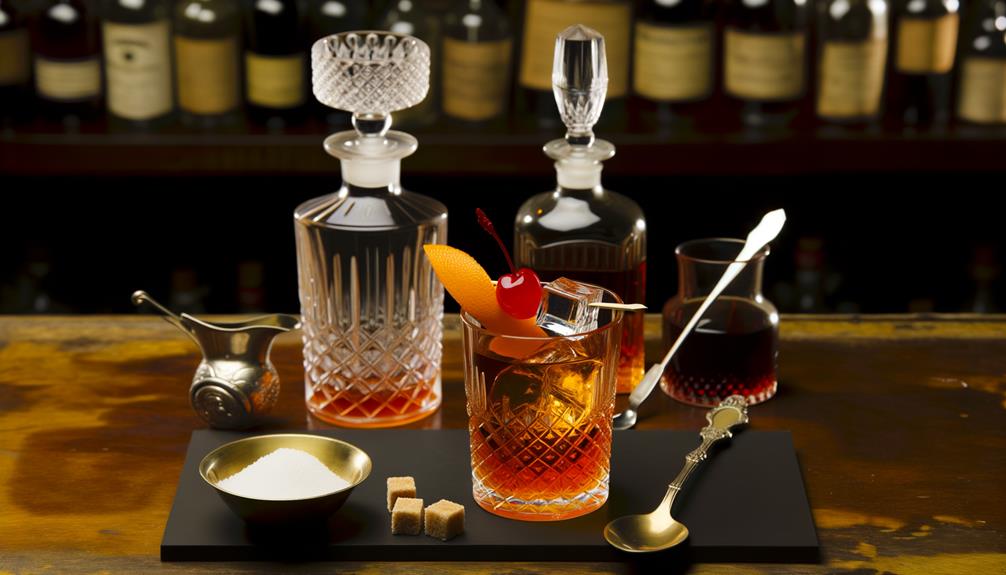
The Old Fashioned is the cocktail that refuses to go away, and it earns that stubbornness every time. It’s four ingredients, a glass, and some ice, but the gap between a great one and a forgettable one is wider than the recipe suggests. I’ve made a lot of these over the years, and the ones people actually remember come down to a handful of small choices: which whiskey you reach for, how completely you dissolve the sugar, and how much you dilute the drink while you stir. None of it is hard. Here’s how I make mine, and where I think most people go wrong.
What an Old Fashioned Actually Is
Strip away two centuries of bar mythology and the Old Fashioned is just the original idea of a cocktail. In the early 1800s, the word “cocktail” described a short mix of spirits, sugar, water, and bitters, and the Old Fashioned never drifted from that formula. The name arrived later, when drinkers who wanted their drink the old way started ordering it “the old-fashioned style” to separate it from the elaborate concoctions taking over the menus. None of that history changes how you make it, but it explains why the drink is so unforgiving. With only four ingredients, there’s nowhere to hide, and every choice shows up in the glass.
Here’s what each part is doing:
- The whiskey carries the drink. It supplies the body, the strength, and most of the flavour, so it has to be something worth drinking on its own.
- The sugar takes the harsh edge off the alcohol and rounds out the bitters. A little goes a long way.
- The bitters are the spice cabinet. They add depth and the warm, aromatic nose the drink is known for.
- The orange peel is not a garnish you can skip. Its oils give the drink a fresh citrus top note that you smell before you taste anything.
The Ingredients, and What to Buy
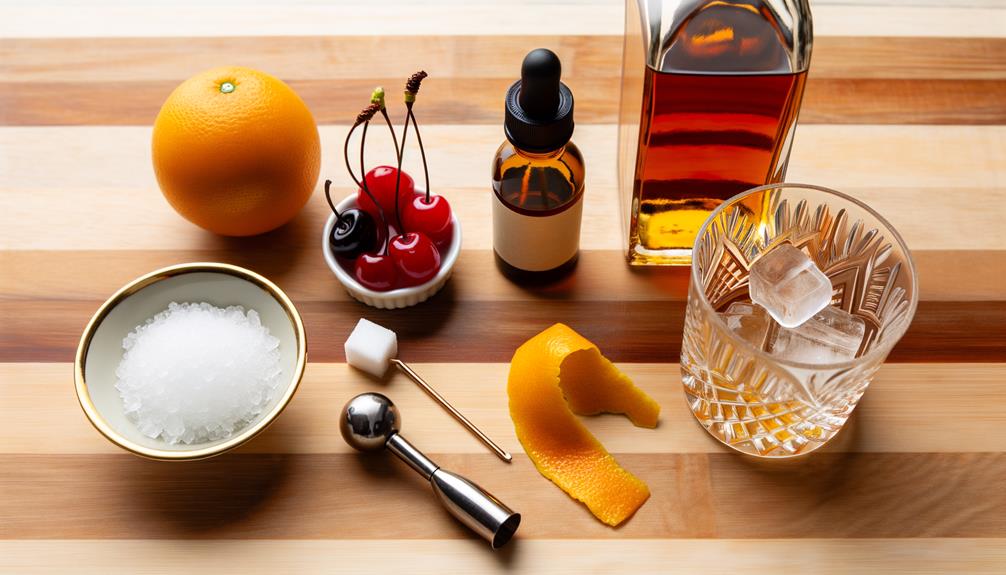
The shopping list is short, which is the whole point. Short lists leave no room to hide behind a fancy mixer, so each item has to pull its weight. Here’s exactly what I use for one drink.
| Ingredient | Amount | Why it matters |
|---|---|---|
| Whiskey (bourbon or rye) | 2 oz (60 ml) | The backbone of the drink; pick a bottle you’d happily sip neat |
| Sugar | 1 cube, or 1/4 oz (7.5 ml) simple syrup | Softens the alcohol and balances the bitters |
| Angostura bitters | 2 to 3 dashes | Adds spice, depth, and the drink’s signature aroma |
| Orange peel | 1 wide strip | Citrus oils for the nose, expressed over the glass |
| Water | A small splash | Only needed to dissolve a sugar cube |
A quick note on spelling, because you’ll see me switch between the two on this site. American spirits like bourbon and rye are spelled “whiskey,” while Canadian and Scotch drop the e and go with “whisky.” If you’ve ever mixed the two up, our explainer on whisky versus whiskey sorts it out once and for all.
Now, the whiskey. Bourbon and American rye are the two standards, and they pull the drink in different directions. Bourbon is sweeter and rounder, which makes for an easy, crowd-pleasing glass. American rye is drier and spicier, and I usually prefer it here because it stops the cocktail tipping into candy. If you’re not clear on how the two differ, our primer on American whiskey breaks down the main styles.
You can also make a genuinely great Old Fashioned with Canadian rye whisky, and I think more people should. A bottle like JP Wiser’s Deluxe or Alberta Premium brings the soft, fruity rye spice that Canadians grow up with, and it holds its own against the bitters without getting lost. It makes the drink a touch lighter and more fragrant than the American versions. Whatever you choose, the rule stays the same: if you wouldn’t drink it neat, it doesn’t belong in this cocktail. For more on what makes the Canadian stuff distinct, see our guide to what Canadian whisky actually is.
How to Make It, Step by Step
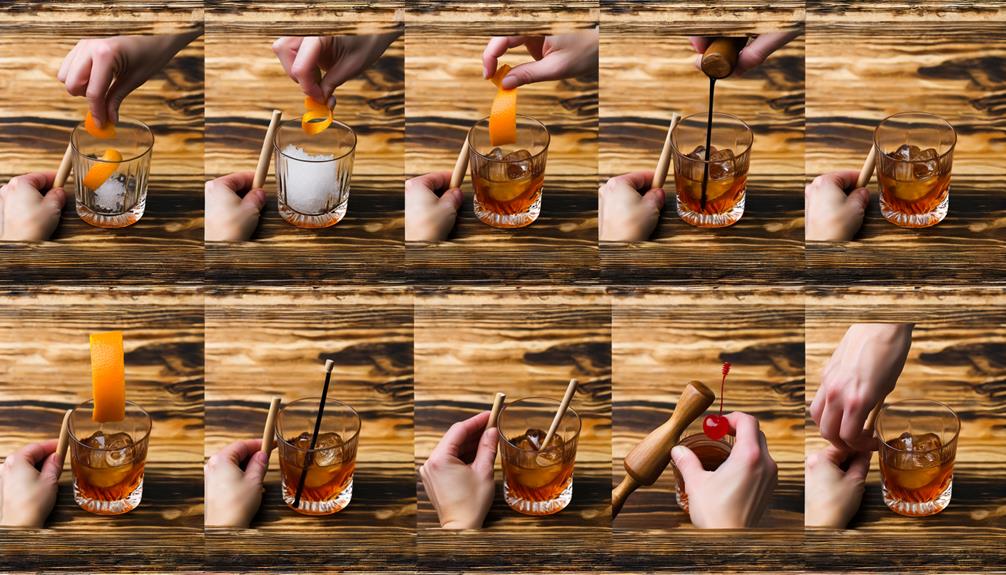
None of the steps below are complicated, but the order matters more than people expect. Work through them slowly the first couple of times and the drink will take care of itself.
- Dissolve the sugar. Drop the sugar cube into a sturdy rocks glass, add two or three dashes of Angostura, and a small splash of water. Stir or muddle until you can’t feel any grit left. If you’re using simple syrup instead, skip ahead to step three.
- Add the ice. Drop in one large cube. Big ice melts slowly, so it chills the drink without watering it down.
- Pour the whiskey. Add 2 oz (60 ml) over the ice.
- Stir, and keep stirring. Give it a gentle stir for about 20 to 30 seconds. You want the drink to turn properly cold and pick up a little dilution, not to whip air into it.
- Express the orange. Hold a wide strip of peel skin-side down over the glass and give it a firm twist to spray the oils across the surface. Rub it around the rim, then drop it in.
The step most people short-change is the first one. Gritty, undissolved sugar at the bottom of the glass is the most common flaw in a home-made Old Fashioned, and it’s the easiest to fix. Give it the time.
Technique Tips That Actually Matter
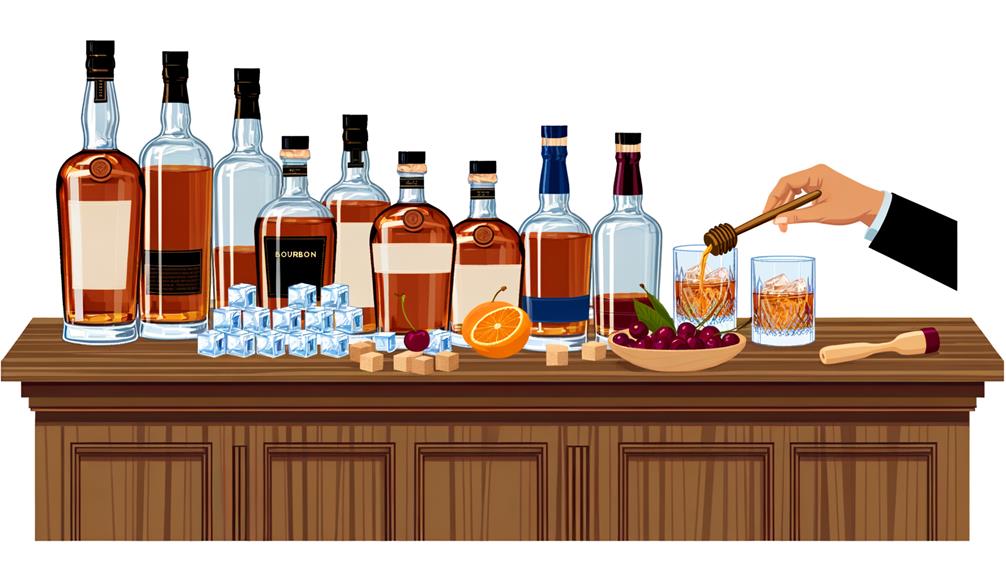
A few habits will do more for your Old Fashioned than any expensive bottle.
| Tip | Why it matters | How to do it |
|---|---|---|
| Use one large ice cube | It melts slowly, so the drink chills without turning watery | Pick up a silicone tray that makes 2-inch cubes |
| Dissolve the sugar completely | Gritty sugar ruins the last few sips | Muddle the cube with the bitters and a splash of water first |
| Stir, never shake | Shaking clouds the drink and over-dilutes it | Stir gently with ice for 20 to 30 seconds |
| Taste and adjust | Sweetness and strength are personal | Start with one sugar cube, then tweak your ratio next time |
| Use a fresh orange | Dried-out peel has no oil left to express | Cut the peel fresh each time, and avoid the bitter white pith |
Three Variations Worth Trying
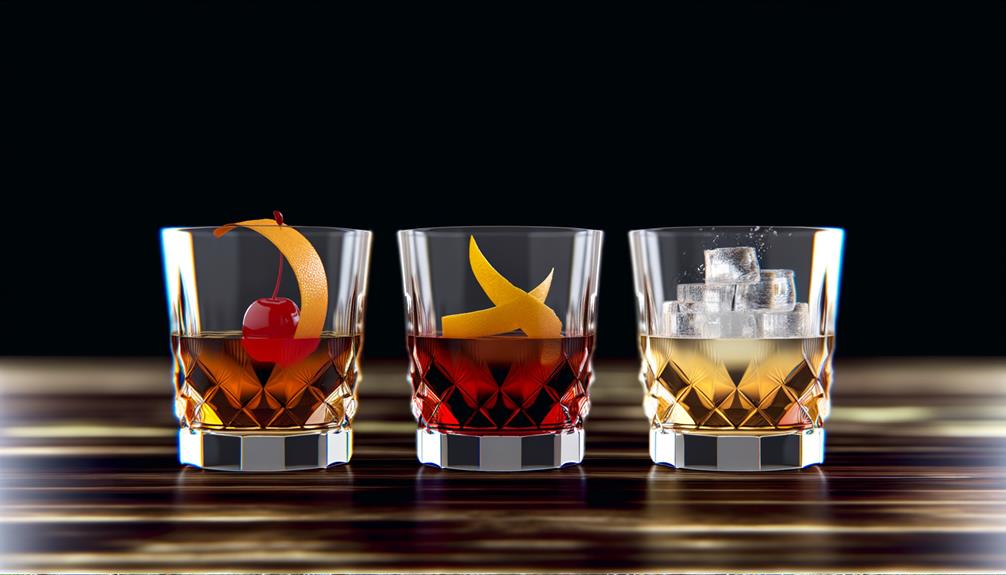
Once you have the base recipe down, the Old Fashioned becomes a template you can bend to fit the season or the shelf in front of you. Three I keep coming back to:
- The Maple Rye. Swap the sugar cube for a teaspoon of maple syrup and build the drink on Canadian rye whisky. The maple leans into the rye spice and makes a version that tastes like it was invented up here, which, as far as I’m concerned, it should have been. This is my default through the colder months.
- The Wisconsin. A regional classic that muddles a maraschino cherry and a slice of orange into the glass before adding the spirit, and it’s traditionally made with brandy rather than whiskey. It’s sweeter and fruitier than the standard build, and it has a devoted following for good reason.
- The Smoky. Rinse a chilled glass with a small measure of peated Islay Scotch, dump the excess, and build a standard Old Fashioned inside it. The rinse leaves a campfire aroma that hangs over the whole drink without bulldozing the whiskey. A split base with a little mezcal works too if you want something more agave-forward.
Start with the base recipe and change one variable at a time. The Old Fashioned has survived two hundred years because the formula is right, so treat any variation as a nudge, not a rewrite.
If this one has you stocking the bar, we have a full rundown of whisky cocktails you can make at home that build on the same handful of ingredients.