

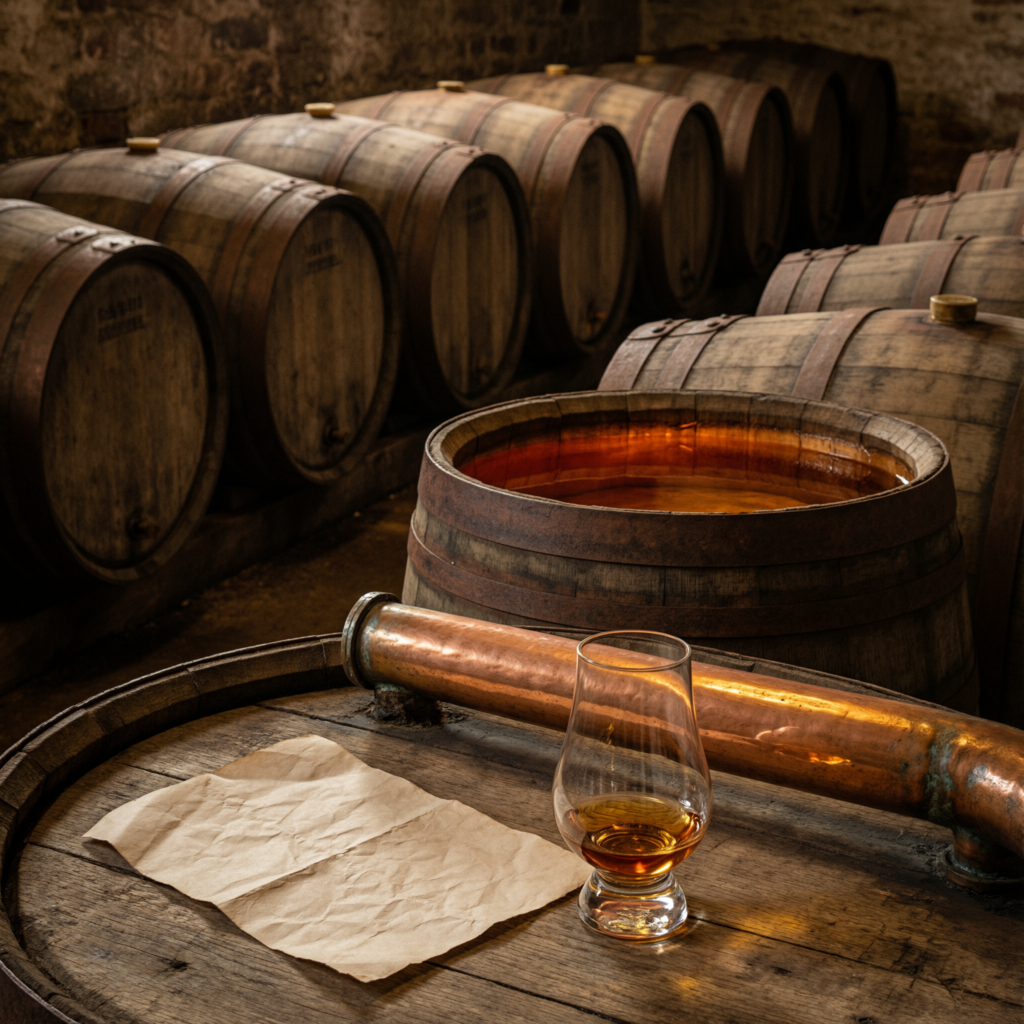
Whisky can feel like a closed book: peat bogs, charred oak, and tasting notes that read like poetry. But beneath the romance there is a practical question worth asking. Does the way a whisky tastes have anything to say about what it will be worth in ten years? After years of watching bottles change hands, I think the answer is yes, and the link is stronger than most buyers realize. People fixate on brand names and age statements, but flavour is often the quiet driver of demand.
When a whisky tastes good and, more to the point, tastes distinctive, it builds a following. That following turns into demand, and demand moves price. The trick is learning to read flavour the way a seasoned buyer does, so you can spot bottles with staying power before the wider market catches on.
Understanding Whisky Flavour Profiles
Learning to describe flavour takes practice, but it pays off. Think of it like learning a language: once you have the words, opportunities start to appear. Three things shape what ends up in your glass. The cask the spirit matured in, the length and conditions of ageing, and the character of the region where it was made.
Start with the split between peated and unpeated malt. A heavily peated Islay like Ardbeg or Laphroaig carries smoke, tar, and medicinal notes that inspire genuine loyalty. An unpeated Speyside dram like Glenfiddich or Glenlivet leans toward orchard fruit, honey, and vanilla. Those two camps attract very different buyers, and that difference matters when you are deciding what to hold.
Canadian whisky adds its own voice to the conversation. The classic Canadian profile of rye spice, caramel, and soft oak comes through in bottles like Crown Royal Northern Harvest Rye or JP Wiser’s 18 Year Old. Distilleries such as Forty Creek and Shelter Point have pushed that style further in recent years, and the renewed interest in Canadian rye has given collectors more home-grown options to watch. If you want the full picture, our guide to what defines Canadian whisky breaks it down.
Age does real work here. As a whisky spends more years in oak, the flavours deepen and knit together, and a well-made 18-year-old usually carries a richness a younger bottling cannot match. Learning to pick out fruity, floral, spicy, or oaky notes helps you judge whether a bottle has the depth that keeps collectors coming back.
Linking Flavours to Investment Value
Connecting flavour to money sounds abstract, but it comes down to a few concrete ideas. Distinctive taste, genuine rarity, and the reputation of the distillery behind the bottle all feed into price.
Cask influence is one of the strongest drivers. A single malt finished in a first-fill sherry butt, or a cask that previously held port or Sauternes, picks up layers of dried fruit, spice, or honey that a standard refill barrel will not deliver. That extra complexity, paired with a limited run, is exactly what fuels bidding at auction.
The distillery’s track record matters just as much. A house with decades of consistent quality behind its releases can command more, and that reputation tends to hold up through market swings. Spreading your money across different flavour styles and regions also acts as a buffer. If smoky Islay bottles cool off for a season, a holding in sherried Highland malt or aged Canadian rye can steady things.
Top Investment-Worthy Whiskies
Some categories have earned their reputation for holding value. Single malt Scotch from the big names, well-aged American whiskey, and limited cask releases all offer serious potential, largely because supply runs out while demand keeps growing.
Macallan remains the reference point for many investors. Its sherried Speyside style and disciplined release schedule have made older bottles regular fixtures on auction lists, and our overview of investing in rare whisky and casks covers how those blue-chip names behave over time. But the opportunity is not limited to bottled spirits. Buying whole casks has grown into a genuine asset class, and the spirit inside can gain character, and value, as it ages. If that route interests you, our barrel investing guide walks through the practical side.
Returns vary widely, and anyone quoting a fixed number should make you cautious. Some well-chosen bottles and casks have posted strong double-digit gains in good years, while others sit flat. The common thread is doing the homework: understanding market trends, choosing scarce releases, and buying from distilleries with a proven record. Building a broader plan first helps, and our guide to whisky investment strategy is a sensible place to start.
Risk Factors in Whisky Investment
The appeal of whisky as an asset is obvious, but the risks are real. Counterfeiting is the big one. Fake bottles of famous names turn up regularly, and demand swings can leave you holding a bottle nobody wants at the price you paid. Knowing your flavours and your distilleries helps, but it is only part of the job.
Other risks worth weighing include:
- Alcohol levels (ABV) dropping below the accepted minimum, which can make a bottle hard to sell
- Excess evaporation, often called the angel’s share, eating into fill level and value
- Physical damage or theft of the bottles or casks you hold
- Broader economic conditions that soften demand for luxury goods
Research is your best defence here. Studying auction records, checking a distillery’s reputation, and learning the markers of an authentic bottle all reduce your exposure. Buying through reputable channels matters too, and our whisky auction guide explains how to bid with more confidence and fewer nasty surprises.
Maximizing Returns Through Whisky Selection
Good returns usually trace back to good selection. Rarity, age, brand reputation, and cask quality all shape how a bottle performs. I have watched enough sales to know that these factors influence the final price just as much as the liquid’s taste.
Reading the market is a skill in itself. You cannot grab any bottle off the shelf and expect it to grow in value. A few practical filters help narrow the field:
| What to Look For | Why It Matters | How It Affects Returns |
|---|---|---|
| How Rare It Is | The rarer it is, the more valuable it tends to be | Value tends to increase over time |
| Its Age | This can influence the flavour | Typically, older whiskies increase in price |
| The Brand’s Reputation | Brands with a good track record tend to do well in the market | This can help to ensure a profitable investment |
Whisky investing is also social. The collectors, brokers, and enthusiasts you meet along the way share tips, flag upcoming releases, and sometimes offer access you will not find on an auction site. As the market keeps expanding, those connections often turn out to be worth as much as the bottles themselves.
Frequently Asked Questions
What Whisky Is Best for Investment?
Rare, well-aged bottles from distilleries with a long, respected track record tend to be the safest starting point. They behave a bit like fine wine in that age and scarcity do the heavy lifting over time. Do your homework on the specific release before you commit any money.
What Kind of Returns Can Whisky Investment Deliver?
There is no fixed rate, and be wary of anyone who promises one. Well-chosen bottles have delivered strong double-digit gains in good years, while less sought-after releases barely move. The appeal is that whisky is a tangible asset you can enjoy, and one that adds genuine diversification to a portfolio.
What Is the Trend in Whisky Investment Right Now?
Interest in whisky as an asset has climbed steadily for more than a decade. Prices for rare bottles rose several-fold over that stretch, a trend tracked by indexes such as Knight Frank’s Luxury Investment Index, and the global whisky market is now worth well over US$100 billion. The asset class has matured, with more data, more auction channels, and more serious buyers than ever before.
Is Whisky Cask Investment Worth It?
Casks can be rewarding, but they ask for patience and a long horizon. You are buying spirit that is still maturing, so the payoff depends on the cask performing well over years. Done with a clear plan and the right storage, it can be a strong addition to a broader whisky portfolio.