

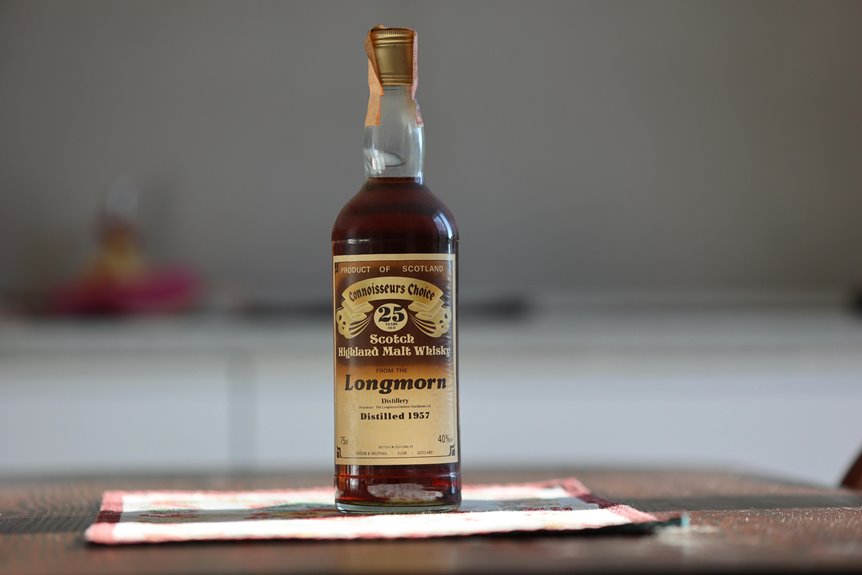
Ask most people about North American whisky and they reach for bourbon or a Tennessee sipping whiskey. Canadian whisky rarely gets the same treatment, which is a shame. It has a character all its own, shaped by a blending tradition and a grain bill that you won’t find south of the border. Give it a fair hearing and it repays the attention.
If you want the groundwork before going further, our guide to what makes a whisky Canadian covers the legal and stylistic basics. This piece builds on that, looking at how the category got here, who makes it, and where the market stands today.
A Short History of Canadian Whisky
Whisky has been distilled in Canada since the late 1700s, with early records pointing to a Quebec City operation in the 1760s. Scottish and Irish immigrants carried their craft across the Atlantic, and by the turn of the 19th century Montreal brewer John Molson was running a still alongside his brewery. Long before Confederation, colonial governments leaned on whisky taxes to fill their coffers.
The 19th century produced some genuine giants. Gooderham & Worts built one of the largest distilleries in the British Empire on the Toronto waterfront, and the Seagram name grew out of the same era. You can still walk through Toronto’s Distillery District, where the old Gooderham & Worts buildings stand as a preserved reminder of that industrial heyday.
How Canadian Whisky Is Made
By law, Canadian whisky must age for at least three years in oak barrels. That floor is part of what defines the category, and it sits behind the smooth, easy-drinking profile the style is known for.
The signature technique is blending. Canadian distillers typically make two kinds of spirit. A base whisky, distilled to a high proof, carries clean, light grain notes. A flavouring whisky, distilled lower, holds on to more of the character of its grain. Blending the two is where a house style gets built, and it lets a producer pull many different profiles from the same set of stills.
Grain choice steers the result. Corn lends sweetness and body, rye brings spice and bite, barley rounds things out with a soft, cereal note, and wheat leans soft and faintly fruity. Barrel choice matters just as much. Used bourbon barrels give a gentle oak touch, while new charred oak pushes a bolder, more assertive flavour. If you want to see how Canadian methods compare with the American side, our breakdown of what defines American whiskey is a useful counterpoint.
Key Distilleries
Hiram Walker in Walkerville, Ontario, has been distilling since 1858 and remains the home of Canadian Club, long the best-selling Canadian whisky in the world. On the Prairies, Alberta Distillers in Calgary and Highwood Distillers in High River anchor a strong Alberta presence. Both have played a large role in shaping the rye-forward side of the category.
Ontario’s Forty Creek, now part of the broader Canadian Club family, built its reputation on rich, sherry-influenced blends, while newer names such as Shelter Point on Vancouver Island and Dillon’s in Niagara represent the craft wave that has reshaped the category over the past decade. For a structured way to start collecting bottles from producers like these, our guide to kickstarting a whisky collection walks through the first steps.
Notable Brands
Canadian Club still anchors the value end, and its Chronicles series has pushed into serious age statements, including a 43-year-old release that makes the point that old Canadian whisky can stand beside fine Scotch, a point that matters if you follow rare whisky and cask investing. Crown Royal and J.P. Wiser’s keep the traditional flag flying while quietly stretching what the category can do.
At the same time, newer producers are turning heads. Eau Claire Distillery in Alberta turns out well-regarded single malts, and Alberta Premium’s Cask Strength Rye has become a favourite among rye drinkers who want power and proof. Forty Creek Confederation Oak sits comfortably between the old guard and the new.
Market Overview
Canadian whisky holds roughly 7% of the North American whiskey market, and trade data from the early 2020s pointed to steady mid-single-digit growth over the prior five-year stretch. More recently, volumes have dipped year over year, a pattern seen across much of the spirits category as drinkers trade up to fewer, better bottles.
The centre of gravity keeps moving toward super-premium. High-end Canadian releases have grown far faster than the category as a whole, even as straight American whiskey and tequila pull at shelf space. Specialty drink shops remain the main route to market for premium bottles. If you are thinking about where value sits in all of this, our primer on building a whisky investment strategy sets out the thinking.
Where Canadian Whisky Fits in the Wider World
Canada’s story is part of a bigger shift. Distillers from Tasmania to Sweden are now competing for the same collector dollars, and our look at emerging world whisky regions maps where that energy is coming from. Canadian whisky sits right in that conversation, with a heritage brand portfolio and a lively craft scene behind it.
Frequently Asked Questions
Why do some Canadian whiskies taste sweeter than American or Scottish ones?
Mostly the grain bill. Canadian recipes tend to run high in corn, which reads as sweet and soft on the palate. Used American oak barrels add vanilla and caramel on top, and the habit of blending high-proof base whisky with lower-proof flavouring whisky keeps the finish smooth rather than sharp.
Can Canadian whisky be aged in barrels that held other spirits?
Yes, and it is common. Canadian regulations set a three-year minimum in oak but do not require new barrels, so distillers freely use ex-bourbon casks along with sherry, rum, and wine finishes. The previous contents leave their mark, which is exactly the point.
What makes Crown Royal’s purple bag so iconic?
The pouch dates to 1939, when the whisky was blended to mark the Canadian tour of King George VI and Queen Elizabeth. It was presented in a velvet bag dyed royal purple, and the look stuck. Today the bag is so recognizable that people save and repurpose them for crafts and charity projects.
Are there rules about Canadian whisky bottle shapes?
Not specifically. Canadian whisky packaging must meet the general labelling rules under the Food and Drug Regulations and the Safe Food for Canadians Regulations, but there is no bottle-shape standard of the kind you see in some European appellation systems.
Can you train to become a Canadian whisky maker?
You can. Olds College in Alberta runs a formal brewing and distilling program, and several distilleries offer in-house training, Sons of Vancouver among them. It is worth looking at both the classroom and the apprenticeship routes before committing.