

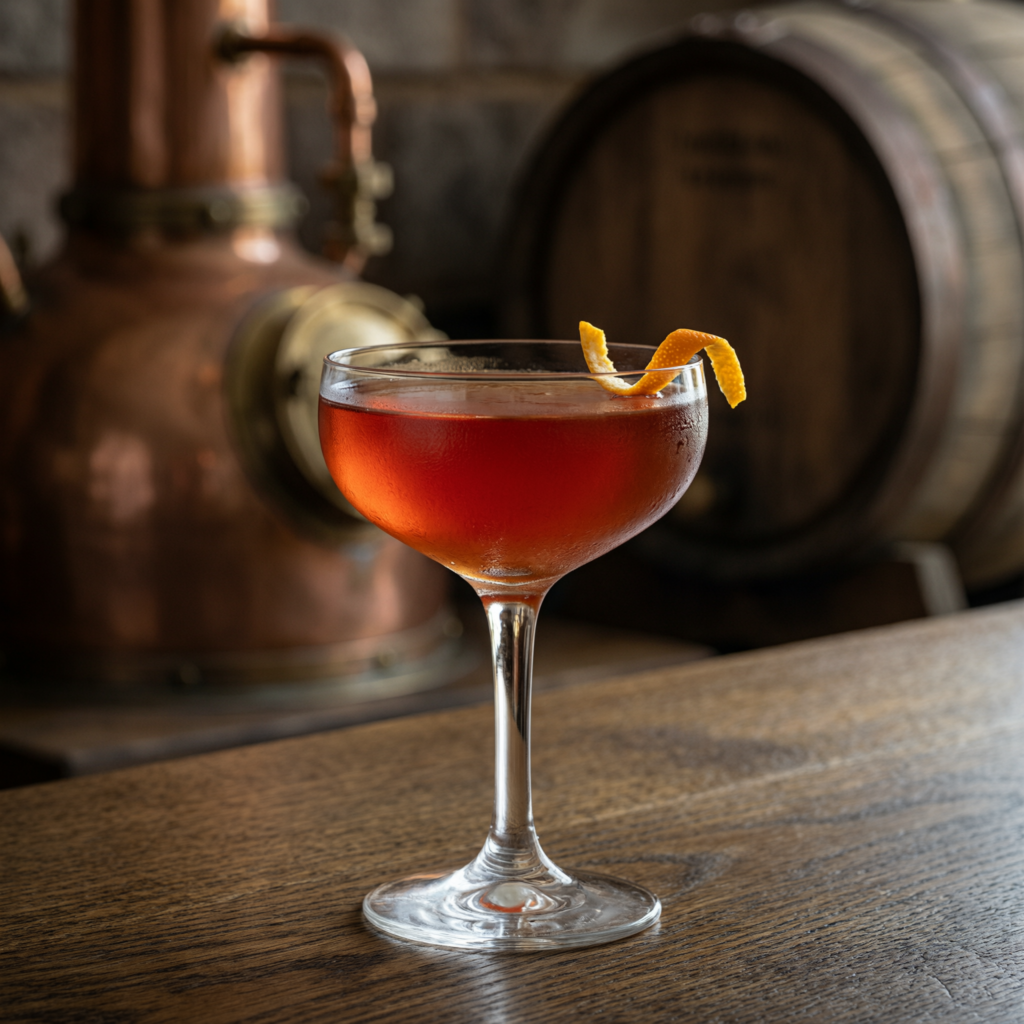
Some cocktails you make once and forget. The Blood and Sand is not one of them. It pulls off a trick most drinks cannot manage: equal parts smoky Scotch, sweet vermouth, Cherry Heering liqueur, and fresh orange juice, shaken together into something that tastes far more considered than four ingredients have any right to be. The name comes from a 1922 Rudolph Valentino film about a matador, and the drink has carried a bit of that drama ever since. It looks the part too, a deep garnet red that catches the light in a coupe glass. If you have been looking for a Scotch cocktail that rewards a little attention, this is a good place to start, and it sits comfortably alongside the other home-made whisky cocktails worth keeping in your back pocket.
Where the Blood and Sand Comes From
The drink first shows up in print in 1930, in Harry Craddock’s The Savoy Cocktail Book. Craddock was the head bartender at London’s Savoy Hotel and one of the most influential cocktail writers of his era, though he never claimed to have invented this one. The true creator is unknown, which is common with drinks of that period. What is not in question is the name. It points straight at Blood and Sand, the 1922 silent film starring Rudolph Valentino as a Spanish matador whose rise and fall plays out in, fittingly, blood and sand.
The four-part balance of smoke, sweetness, fruit, and bitterness mirrors that story better than most named drinks manage. Craddock wrote it up as a Scotch cocktail, and Scotch it stayed. It uses the “whisky” spelling without the “e”, by the way. If that distinction ever trips you up, our guide to whisky versus whiskey sorts it out.
The Savoy Cocktail Book remains one of the most reprinted cocktail manuals ever written, so once a drink landed in its pages it tended to stick around. The Blood and Sand did exactly that. It never became a mainstream order the way a Manhattan did, but it never disappeared either, and bartenders who care about Scotch tend to keep a soft spot for it.
What Goes Into It
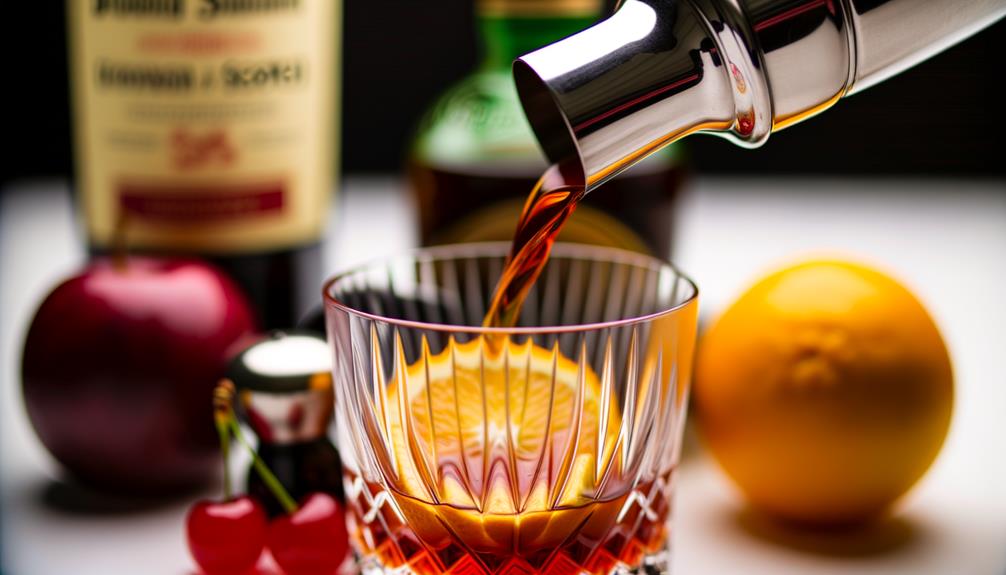
Four ingredients, equal parts, and no garnish required, though an orange peel is traditional. Here is what each one brings to the glass.
- Scotch is the backbone. You want something with enough character to stand up to the vermouth and cherry, but not so heavily peated that it bulldozes the rest of the drink. A blended Scotch works well here, and there is no reason to pour your favourite single malt into a shaker.
- Sweet vermouth adds the richness and herbal sweetness that round out the smoke. Use a fresh bottle. Vermouth is wine once it is open, so keep it in the fridge and replace it every few weeks.
- Cherry Heering, often just called Heering, is the classic choice. It is a Danish cherry liqueur with real depth, not the syrupy neon stuff that sits behind many bars. It gives the drink its colour and a good share of its flavour.
- Fresh orange juice is the ingredient people underestimate. It lifts the whole thing and keeps it from reading as a dessert drink. Squeeze it yourself. Bottled juice turns this cocktail flat and a little sad.
An expressed orange peel over the top adds aroma and a flash of colour, but it is optional. The drink works fine without it.
How to Make It
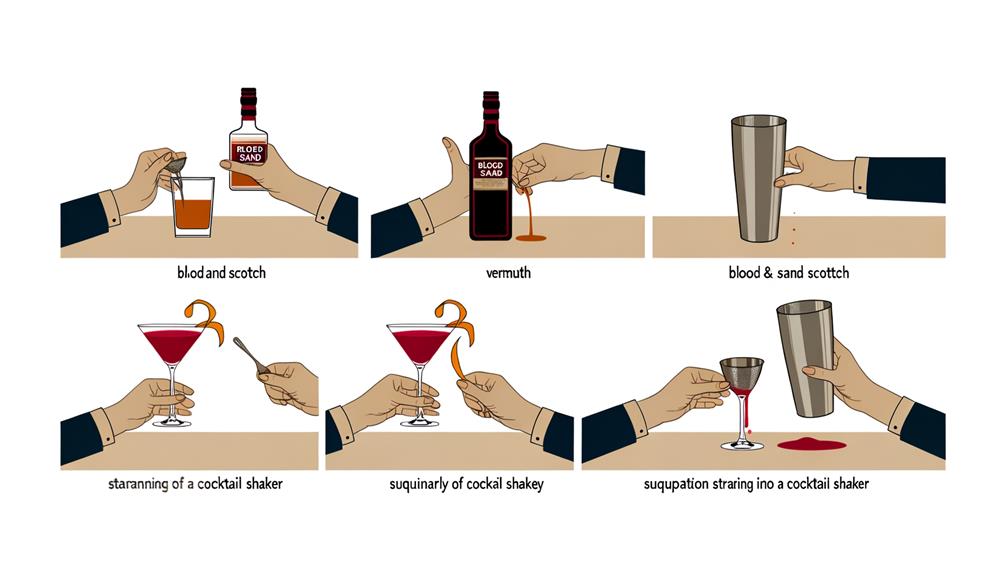
This is a shaken cocktail, not a stirred one, because of the juice. The whole thing takes about a minute.
- Fill a cocktail shaker halfway with ice.
- Pour in equal parts Scotch, sweet vermouth, Cherry Heering, and fresh orange juice. A measure of about 22 ml (three-quarter ounce) each is a good starting point.
- Shake hard for 15 to 20 seconds, until the outside of the shaker feels properly cold.
- Strain into a chilled coupe or Nick and Nora glass.
- Express an orange peel over the surface and drop it in, if you like.
The equal-parts build is the traditional spec and the easiest place to start. Once you have made it a few times you can adjust to taste. Many people dial the orange juice down slightly and the Scotch up, but try it as written first so you know what you are changing and why.
Choosing the Right Scotch
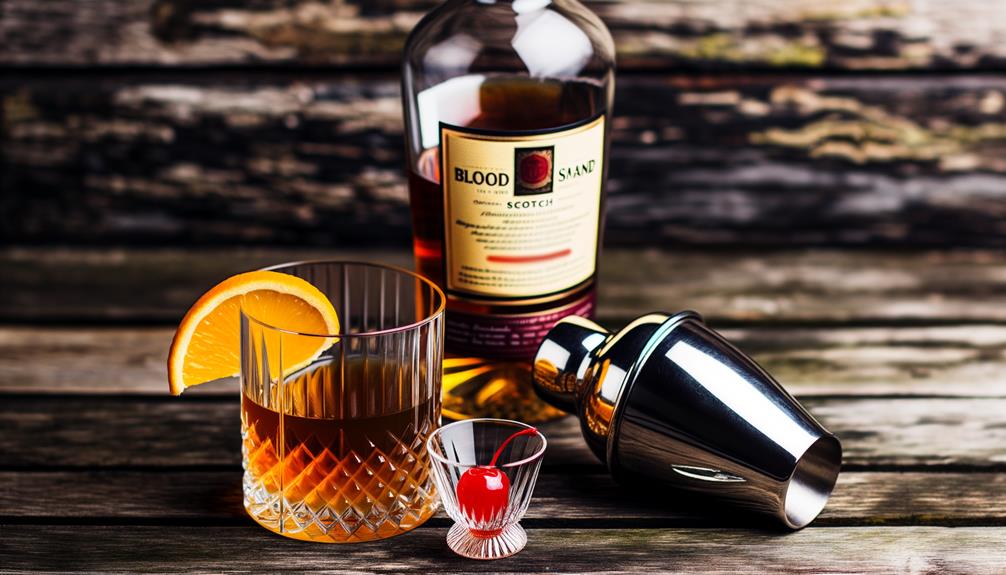
The Scotch you pick steers the whole drink, so it is worth a thought. You are looking for balance, not intensity.
A blended Scotch is my default recommendation. Blends are built to be smooth and approachable, which is exactly what this cocktail wants, and they will not fight the vermouth or the cherry. Something like Famous Grouse, Dewar’s White Label, or Monkey Shoulder gives you enough flavour without costing much. Save the peated Islay single malts for sipping, because a heavy hit of peat turns this drink medicinal.
If you would rather see what American whiskey brings to a mixed drink, that is a rabbit hole of its own, and our look inside Maker’s Mark distillery is a good starting point for the bourbon side of things. Bourbon makes a different cocktail entirely, sweeter and rounder, but it is worth knowing the contrast.
On strength, standard bottlings at around 40% ABV work best. Anything much stronger will unbalance the drink and push the alcohol forward. And do not be shy about experimenting. Buy a few small bottles, taste them side by side, and make the cocktail with each. Finding the Scotch that clicks for you is half the fun.
Variations Worth Trying

The equal-parts template invites tinkering, and plenty of bartenders have taken a run at it. A few established versions are worth knowing.
- The Blood and Sand No. 2 adds passion fruit purée and a red wine liqueur, which pushes the drink toward brighter, fruitier territory while keeping the Scotch in the mix.
- The Improved Blood and Sand, attributed to bartender Adam Robinson, swaps in fresh lime juice to tighten up the acidity and make the whole thing sharper and more refreshing.
- Ryan Casey’s Alternative Blood and Sand drops the orange juice entirely, using an orange-infused Scotch and dry curaçao instead for an all-spirit, stirred take on the idea.
The point of these is not that one version is correct. It is that the Blood and Sand holds together even when you pull at it. Make the classic first, get a feel for the balance, then try a variation and notice what changed. That is how you figure out what you actually like, rather than just following a recipe.