

Scotch and bourbon still get most of the shelf space, but the most interesting bottles I have tried in the past few years have come from places most drinkers overlook. Australia, India, and Taiwan are turning out single malts that beat heritage names in blind tastings. American craft distillers are playing with grains the big producers would never touch. And closer to home, a small cluster of Canadian distilleries is quietly collecting international gold. What ties them together is a willingness to use local grain, local climate, and local casks to make something that does not taste like a copy of Scotch. Here is a tour of the regions that are redrawing the map, and why a collector should care.
Australian Whisky Renaissance
Australian whisky is enjoying a genuine golden era. Industry directories now list well over 200 whisky distilleries across the country, and the number keeps climbing. The headlines, though, belong to a handful of names that have forced the old guard to pay attention: Lark and Sullivan's Cove in Tasmania chief among them.
Tasmania is the spiritual home of the movement. Distillers there lean on local barley and a distinctly Tasmanian peat to build malt that tastes like its place of origin. What really sets the Australian style apart, though, is the cask work. Winery barrels, tawny casks, even native woods turn up in the ageing process, producing layered, fruit-forward flavours you will not find in a Speyside dram. Sullivan's Cove took the World's Best Single Malt title at the World Whiskies Awards back in 2014, and the ripple effect is still driving investment into the category.
The scene stretches well beyond Tasmania. Victoria, New South Wales, and Western Australia each bring their own climate and cask traditions to the table. That geographic spread means there is no single Australian house style, which is exactly what makes the category worth watching.
India's Whisky Boom
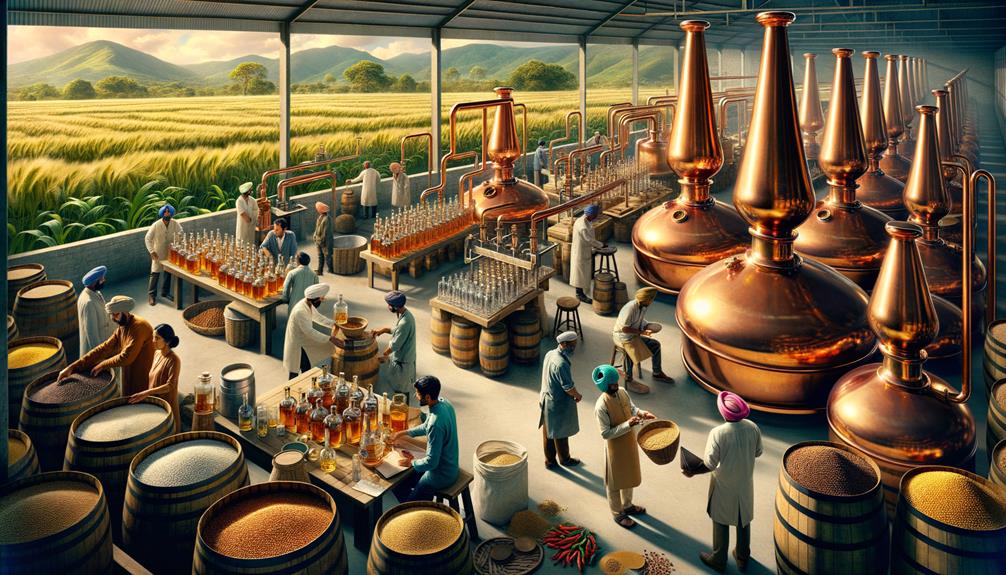
India has been a giant in whisky volume for decades, but the newer story is about quality. Three names carry the flag for Indian single malt: Amrut in Bengaluru, Paul John in Goa, and Rampur from Radico Khaitan in the north.
Amrut earned a lot of the early respect. Its single malts proved that Indian distilling could stand next to Scotch and hold its own. Paul John, based in Goa, has stacked up international awards and built a loyal following for its rich, tropical fruit character. Rampur has more recently pushed into the same space with a smooth, spice-led profile.
A few things drive the category:
- Amrut and Paul John lead the way with award-winning single malts.
- Rampur has become a recognisable name on export shelves.
- Domestic demand for premium bottles is growing fast.
- Indian malts now collect medals at major global competitions.
- A hot climate speeds maturation, which pushes flavour hard and fast.
India's rise is more than a fad. It is a real shift in where good single malt comes from.
American Craft Whiskey
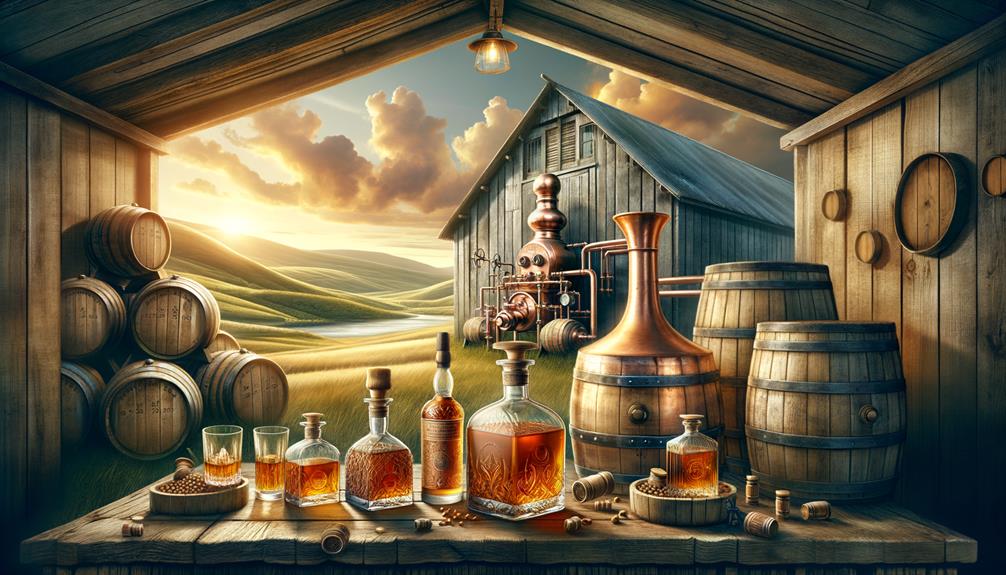
American craft distilling has grown into a force of its own, now numbering well into the thousands by the American Craft Spirits Association's reckoning. These are small-scale producers who would rather make something odd and excellent than something consistent and forgettable. If you want the broader context on how bourbon, rye, and the rest fit together, our guide to American whiskey is a good place to start.
The experimentation is the fun part. Craft distillers are running grains the majors ignore: rye, wheat, spelt, even heritage corn varieties. Cask choice is just as varied, from new charred American oak to used wine, port, and beer barrels. The result is a distinct sense of terroir, where a bottle from one small distillery tastes nothing like the one from the next town over.
This corner of the industry prizes quality over volume. Local grain, small batches, and a taste for risk give American craft whiskey a personality that the big brands cannot bottle. It is American ingenuity with the polish turned up.
Canada's Quiet Distillery Renaissance
It would be strange to write about upstart whisky regions and skip our own backyard. Canada has a long whisky history, of course, but a new generation of small distilleries is doing something different from the big-house rye tradition. For the foundation of what makes Canadian whisky its own thing, see our explainer on Canadian whisky.
The West Coast is where the action is. Shelter Point Distillery on Vancouver Island distils in small batches using pot stills and water from its own aquifer, letting the coastal air shape the spirit as it ages. That approach paid off in 2024, when Shelter Point took Single Malt Whisky of the Year at the Bartender Spirits Awards. Okanagan Spirits, founded in 2004 and often called Western Canada's original craft distillery, makes its whisky from 100 per cent B.C. grain and fruit. At the 2025 World Spirits Awards it picked up 11 gold medals, five silvers, and the title of World-Class Distillery in Worldwide Whisky.
Back east, Ontario's Dillon's Small Batch Distillers in Beamsville has built a following for hands-on, small-lot distilling in the Niagara region. The common thread across the country is the same one you see in Tasmania or Taiwan: local grain, local conditions, and a refusal to imitate. Our roundup of the Canadian whisky scene goes deeper on the producers to know.
Japanese Whisky Craft
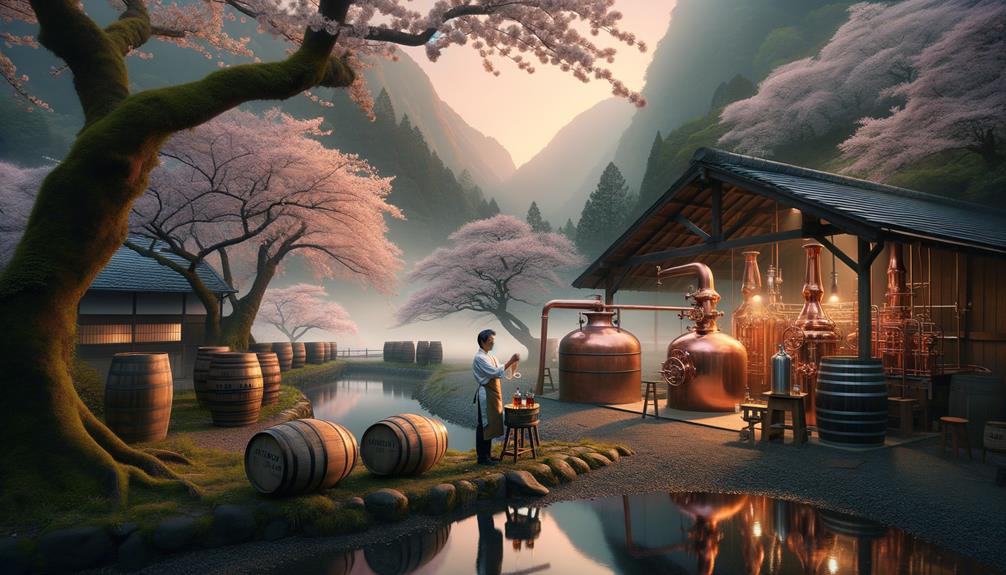
Japanese whisky stopped being a curiosity a long time ago. The houses of Suntory and Nikka carry decades of history, and their output wins top prizes at global competitions on a routine basis. The style borrows its bones from Scotland and then bends them: precise fermentation, careful blending, and an obsessive eye on the cask.
The moment that announced Japan to the wider world came in 2015, when Jim Murray's Whisky Bible named the Yamazaki Single Malt Sherry Cask 2013 its World Whisky of the Year. That single call sent prices for Japanese single malts climbing, and they have not really come down. For collectors, that price action is part of the story. Our guide to investing in rare bottles and casks covers why limited Japanese releases keep finding higher bids.
A few things define the Japanese approach:
- Precision: close attention at every step of production.
- Ingredients: high-grade, often locally sourced grain and water.
- Ageing: varied cask types, including Japanese mizunara oak.
- Blended traditions: Scottish methods reworked with Japanese sensibility.
- Awards: steady recognition at international competitions.
Japan has set a bar the rest of the new world keeps chasing.
Taiwan's Rising Star
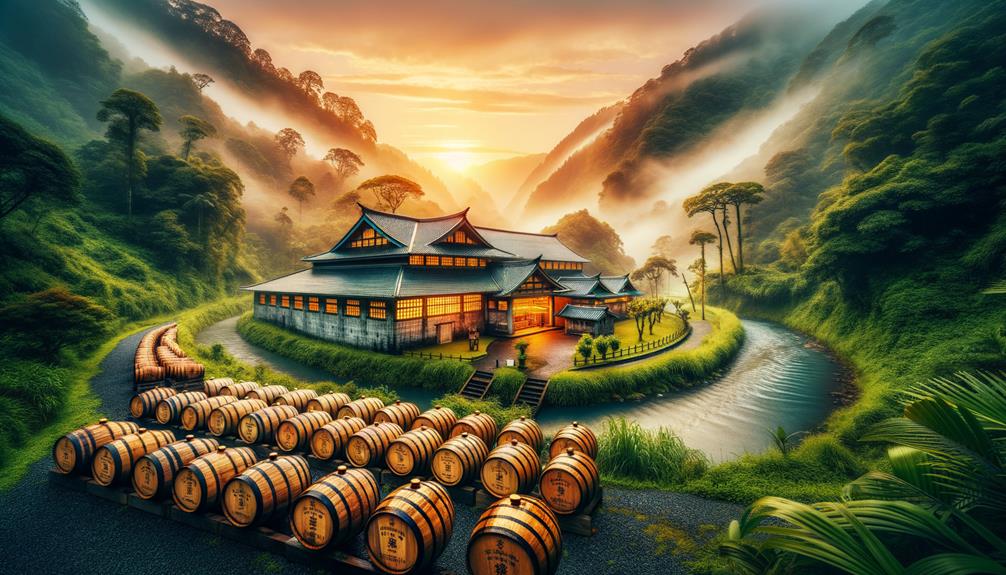
Taiwan's whisky story is, for now, mostly the story of one distillery: Kavalan. Founded in 2005 in Yilan County, it was the island's first whisky distillery and quickly became its most decorated. The subtropical climate is the secret weapon. Heat and humidity drive the spirit into the wood faster than in Scotland, so a Kavalan can taste mature and rich at a young age, packed with tropical fruit and wine-cask sweetness.
The breakthrough came in 2015, when the Kavalan Solist Vinho Barrique was named the World's Best Single Malt Whisky at the World Whiskies Awards. Since then the trophy cabinet has only grown. By the distillery's own tally, reported by Taiwan News, Kavalan has amassed more than 1,000 international gold medals and 11 world-title awards.
A quick look at Kavalan's path:
| Year | Milestone | Notable Achievement |
|---|---|---|
| 2005 | Founding | Kavalan Distillery established |
| 2015 | Award | World's Best Single Malt Whisky |
| 2024 | Accolades | More than 1,000 gold medals and 11 world titles |
New distilleries are starting to appear on the island, but Kavalan remains the standard-bearer. It gave the world a reason to take subtropical whisky seriously.
New Zealand's Whisky Scene
New Zealand's whisky tradition goes back to Scottish settlers in the 1800s, but the modern category is young and still finding its feet. The country is home to close to 20 active distilleries, and a national industry body formed in 2021 to set standards and give the category a unified voice. The largest single malt producer is the Pokeno Whisky Company, south of Auckland.
Distilleries Gaining Recognition
Pokeno leads on both volume and profile, but the wider scene is built on small operators who lean on traditional craft and clean, local ingredients. Many run on a small-batch model and favour eco-friendly production, using native grains and some of the purest water on earth to give their spirit a regional stamp. New Zealand malts are starting to win awards abroad, and the attention is deserved.
Unique Production Techniques
The common threads across New Zealand distilling are a focus on local ingredients, small batches, and adventurous cask choices. Sustainability comes up again and again, which fits a country that markets itself on clean, green provenance.
| Technique | Description |
|---|---|
| Local Ingredients | New Zealand barley and water |
| Small-Batch Production | Focus on quality over volume |
| Adventurous Ageing | Diverse cask types for layered flavour |
| Sustainability | Eco-minded production methods |
New Zealand is still early in its whisky story, but the producers there are building something with a clear sense of place.
South Korean Distilleries
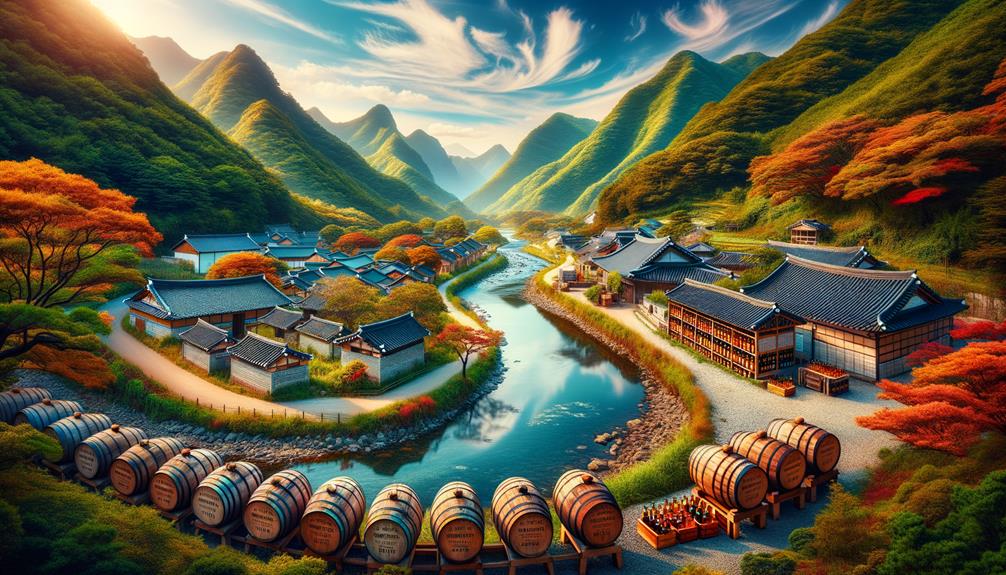
South Korea is the newest name on this list, and one of the most interesting. For years the country drank imported whisky. Now it is making its own, led by a distillery called Three Societies.
Rapid Market Growth
Three Societies Distillery, run by founder Bryan Do, pioneered Korean single malt production and set the pace for everyone who followed. Do drew on Japanese and Taiwanese whisky-making as a starting point and built something with a distinctly Korean character. Around 2020, whisky imports into South Korea fell to a multi-year low, a sign that drinkers were turning toward bottles made at home.
A few drivers stand out:
- Three Societies blazed the trail for Korean single malt.
- Japanese and Taiwanese methods shaped the early approach.
- A dip in imports around 2020 pointed toward growing local demand.
- Single malt production is the clear focus for quality-minded distillers.
- Korean producers have their sights set on the global market.
Unique Flavour Profiles
The flagship Ki One release arrived in 2020 and put Korean single malt on the map. It balances classic technique with a bright, layered character that tastes like neither Japan nor Taiwan, even though it borrows from both. Local ingredients and careful production give it a profile that is vivid and complex.
| Element | Description |
|---|---|
| Founding | First single malt distillery in Korea |
| Inspiration | Japan and Taiwan |
| Flagship Release | Ki One (2020) |
| Flavour Profile | Vivid, layered, complex |
South Korea is still at the start of its whisky journey, but the momentum is real, and the best bottles are genuinely good.
German Whisky Producers
Germany has quietly built one of Europe's larger whisky scenes, home to a couple of hundred producers. The best of them have earned real respect at international competitions, and they tend to lean into the country's brewing heritage and a taste for cask experimentation.
St. Kilian Distillers is the country's largest whisky distillery and a good illustration of the German approach. It matures spirit across an enormous spread of cask types, more than 200 by its own account, and releases a steady stream of limited editions. The result is a wide palette of flavours under one roof, which makes the range fun to dig into.
A few things define the German category:
- A focus on limited, distinctive expressions
- High production standards, often drawn from brewing expertise
- Growing recognition at international competitions
- Broad flavour variety from heavy cask experimentation
Germany may not have the centuries of history that Scotland has, but its producers make up for it with range and a willingness to try things the old houses would not.
Scandinavian Whisky Ventures
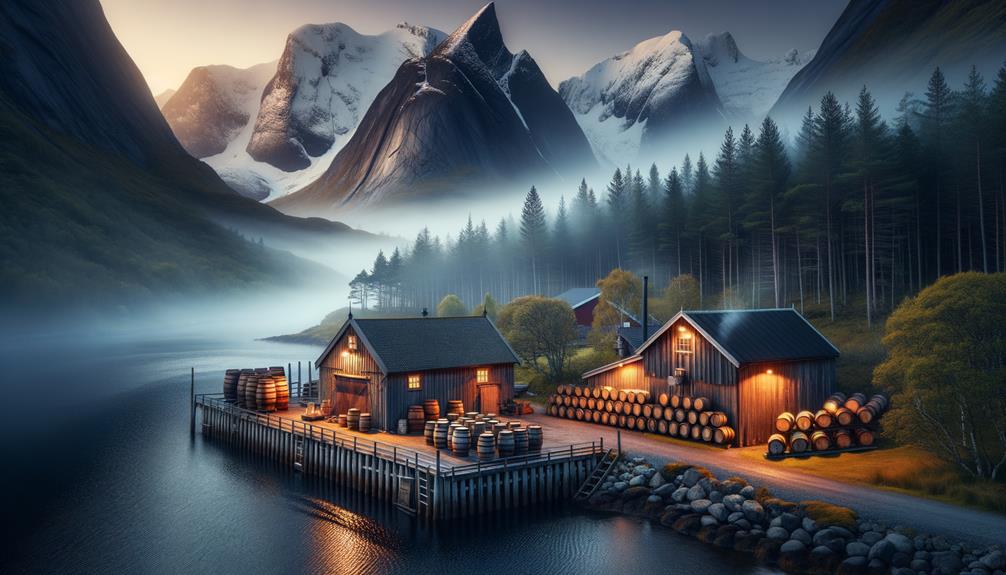
Scandinavia has become one of the more inventive corners of the whisky world, with dozens of distilleries spread across Denmark, Sweden, and Norway. The cooler climate slows maturation, and many producers lean on local grain and hands-on methods to give their spirit a Nordic stamp.
Stauning, in Denmark, is a standout. It does its own floor malting, works with local barley and rye, and experiments freely with grain and fermentation. The whisky tastes like Denmark: clean, precise, and a little wild. Sweden's Mackmyra takes a different tack. It matures casks underground in the Bodås mine, where the cool, steady conditions give the spirit a calm, even ageing. Mackmyra has also made sustainability a core part of how it operates.
These distilleries prove that the far north can make world-class whisky, and they do it on their own terms.
French Whisky Craftsmanship
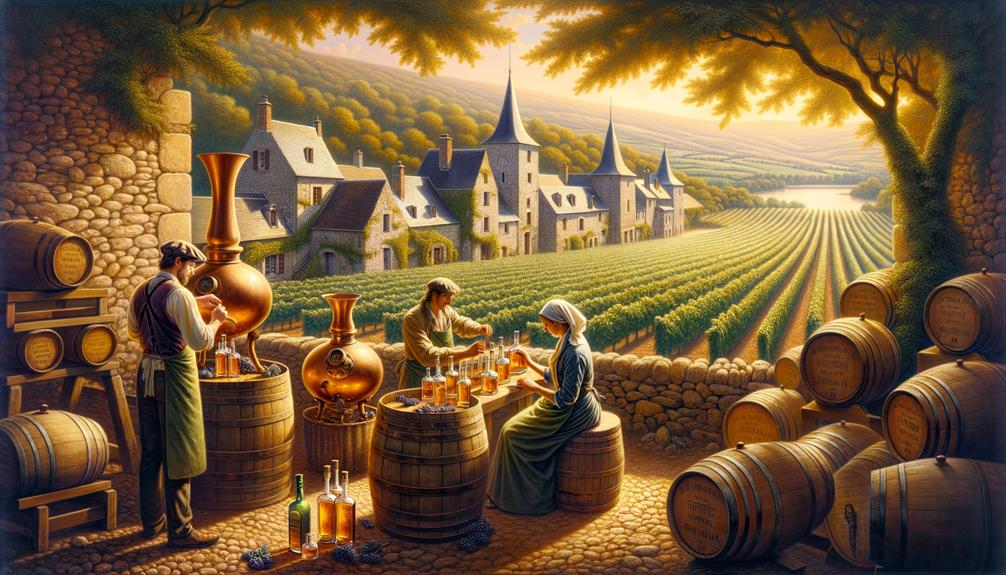
France may be the most underappreciated whisky country in Europe. The scene runs into the dozens of distilleries and keeps growing, and it has one enormous advantage: the French already know more about wine and spirits casks than almost anyone on earth.
French producers finish their whisky in barrels the rest of the world dreams about. A Bordeaux cask adds rich, dark fruit. Burgundy brings depth and spice. Cognac barrels lend smoothness and caramel. Sauternes gives honeyed sweetness, and Armagnac adds bold, rustic weight. The best-known name is Armorik, from Distillerie Warenghem in Brittany, which has long shown what Breton single malt can do. Producers also favour local grain, which pushes a real sense of terroir into the glass.
France's deep wine heritage is the thing that sets its whisky apart, and it is producing some of the most interesting cask-finished malts anywhere.
Why These Regions Matter to a Collector
For a Canadian reader thinking about the investment side, the pattern across these regions is the same one that drove Scotch and Japanese prices: limited supply, rising quality, and growing global demand. Award-winning bottles from Kavalan, Sullivan's Cove, and Shelter Point have all seen their secondary-market interest climb once the trophies started arriving. The earlier you understand a region, the better positioned you are when the wider market catches on. Our whisky investing guide walks through how to think about that timing.
Frequently Asked Questions
What Are the 5 Whisky Regions?
When people talk about whisky regions, they usually mean Scotland. The classic count is five: Campbeltown, the Highlands, Islay, the Lowlands, and Speyside. Each has a personality. Islay is famous for peat smoke and brine, Speyside for sweet, fruity elegance, and the Highlands for a broad middle ground that ranges from heathery and light to rich and smoky.
What Is the Best Whisky Region in the World?
There is no single answer, and anyone who gives you one is selling something. Islay and Speyside make iconic drams, but some of the most exciting bottles I have tasted lately came from Japan, Taiwan, and Tasmania. The honest answer is that the best region is the one making the bottle in front of you. Exploring beyond Scotland is where the surprises are.
What Are the Whisky-Producing Regions of Scotland?
Most guides list five or six, depending on whether they count the Islands as their own region or fold them into the Highlands. The core group is Campbeltown, the Highlands, the Islands, Islay, the Lowlands, and Speyside. Campbeltown is small but storied, known for full-bodied, slightly briny malt, while Speyside packs in the most distilleries of any region.
Which Is the Best New World Whisky?
Pick a favourite and I will argue with you, but a few names keep coming up. Kavalan in Taiwan has the trophy count to back up the hype. Sullivan's Cove in Tasmania has the World's Best Single Malt title. And here at home, Shelter Point on Vancouver Island took Single Malt Whisky of the Year at the 2024 Bartender Spirits Awards. Germany's St. Kilian, with its vast cask library, is another one worth a pour. The new world does not have a single champion, and that is the fun of it. If you are weighing which bottles might hold their value, our guide on whisky versus whiskey is a handy starting point for sorting out the field.