


When I first tried a Highland Fling, I was tucked away in a cozy bar in Edinburgh. The smell of the Scotch whisky was woven into the quiet chatter surrounding me. Now, as someone who is pretty seasoned in the world of cocktails, I can say that the Highland Fling isn’t just a drink. Think of it like a trip straight into the heart of Scotland’s long-standing distilling customs. It’s a mix of tastes, from the strong taste of the Scotch to the sugary notes of the vermouth, all finished off with the tangy bite of the orange bitters. It’s taken me years to get the balance just right, from the proportions to the garnish that elevates this cocktail from just okay to downright fantastic. But what if I told you that the key to a top-tier Highland Fling isn’t just in the mixing, but in the quality of the Scotch you use?
The Origins of Highland Fling
So, you’re curious about the origins of the Highland Fling cocktail? Let’s take an exciting trip back to Scotland in the early 1900s. Picture a land filled with tartan patterns, the sound of bagpipes, and the mesmerizing Highland Fling dance. To celebrate this lively dance, the Highland Fling Cocktail was created, representing the strong and vibrant Scottish spirit.
The flavor of this cocktail is as dynamic and exciting as the dance it’s named after. It’s a perfect balance of smoky Scotch whisky, sweet vermouth, and a touch of orange bitters, creating a flavor that is slightly sweet yet bold. The additional citrus twist brings a spark, much like the energetic moves of the Highland Fling dance.
The creation of this cocktail requires skill. It involves shaking the ingredients with ice and straining the mix into a chilled glass. This ensures the ingredients are well combined and also allows for an attractive garnish. What do you get? A beverage that appeals to whisky lovers and admirers of Scottish culture.
The Highland Fling Cocktail has deep roots in tradition, culture, and a zest for life’s spirited moments. To truly enjoy it, it’s essential to appreciate the high-quality Scotch it requires and the rich heritage it symbolizes.
Production Process: Scotch Whisky
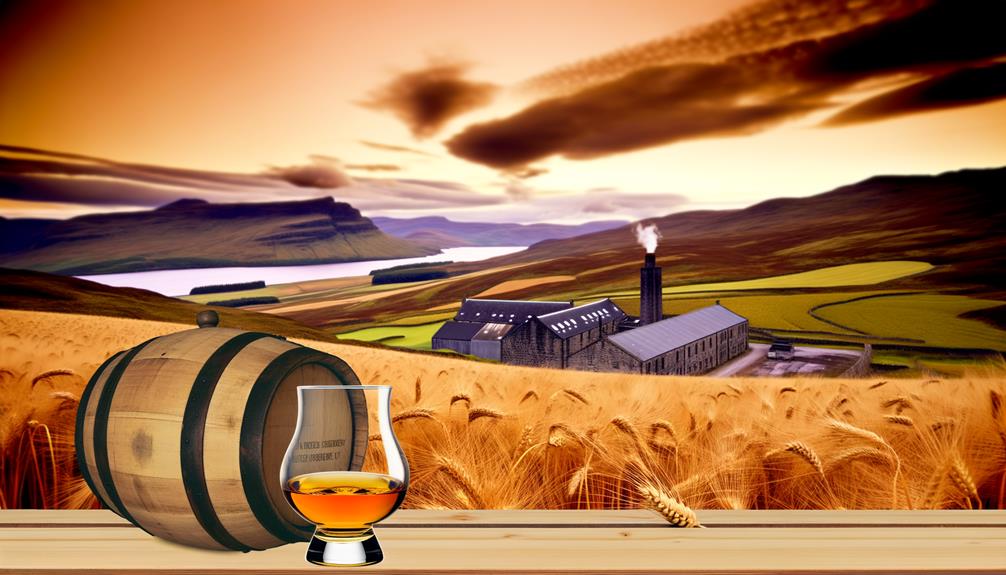
Let’s chat about the heart of the Highland Fling Cocktail–the Scotch whisky. This isn’t just a drink, it’s a symbol of Scotland’s spirit. And the process of making it? It’s truly something to marvel at.
Ready? Let’s dive right in.
We kick things off with malting. Here’s how it works–barley is soaked in water, allowed to sprout a bit, and then dried using heat from peat fires. This is where our Scotch gets its distinct smoky flavor–a quality that whisky lovers can’t get enough of. After the barley is malted, it’s mixed with hot water to let out its sugars, ending up with a sweet liquid we call ‘wort’.
Next up: fermentation. We add yeast to the wort, which transforms the sugars into alcohol. The result? A liquid fondly known as ‘the wash’. The wash then undergoes distillation using pot stills, a part where we separate the alcohol from everything else. This is a process of heating and condensation that’s as much an art as a science.
Tasting Notes and Pairings
Immersing yourself in the strong, hearty taste of the Highland Fling cocktail, you’ll find a delightful mixture of flavors that play nicely on your taste buds. The smoky and rich notes of Scotch whisky blend smoothly with the sweetness of Drambuie and a tangy hint of lemon. This timeless drink pays tribute to the deep-rooted tradition of blended Scotch, offering a fascinating array of tastes and food combinations to enjoy.
Let’s chat about the taste of Highland Fling:
- The standout flavor is the smoky, intricate nature of the blended Scotch, providing a palette of tastes that are both comforting and exciting.
- The sweet Drambuie brings an extra level of depth, highlighting the bold profile of the Scotch while maintaining a delicate balance.
- The tartness of the lemon brings a refreshing element, slicing through the richness and boosting the overall taste.
When it comes to food pairings, the strong taste of this cocktail goes well with robust dishes like steak and mushrooms. Its sweet notes also make it a great match for desserts like dark chocolate or crème brûlée. The Highland Fling isn’t just a drink; it’s an adventure through the rich, lively world of Scotch whisky.
The Resurgence of Highland Fling
The Highland Fling cocktail, with its origins dating back to the early 1900s, is making a fantastic comeback. With its robust but slightly sweet taste and a hint of citrus, it’s catching the attention of a new generation of Scotch lovers. Its adaptability makes it a popular option for relaxed get-togethers and swanky parties alike.
This comeback isn’t just about its fantastic flavor. It’s a nod to the enduring appeal of top-notch Scotch whisky, an ingredient that elevates a simple drink into a sensory experience. The Highland Fling isn’t just a cocktail; it’s a connection to history and a salute to Scottish ancestry.
I’ve read remarks from individuals who’ve been smitten by this classic drink after just one taste. The feedback has been predominantly upbeat, with many applauding its balanced flavors and the cozy feeling it provides.
There’s no better moment than the present to experience or revisit the Highland Fling for yourself. Whether you’re new to whisky or a long-time fan, this cocktail presents a tempting mix of tradition and flavor. So, let’s raise a glass to the Highland Fling, a classic that’s bounced back stronger than ever, proving once more that true quality will always be in vogue.
Crafting the Perfect Highland Fling Cocktail
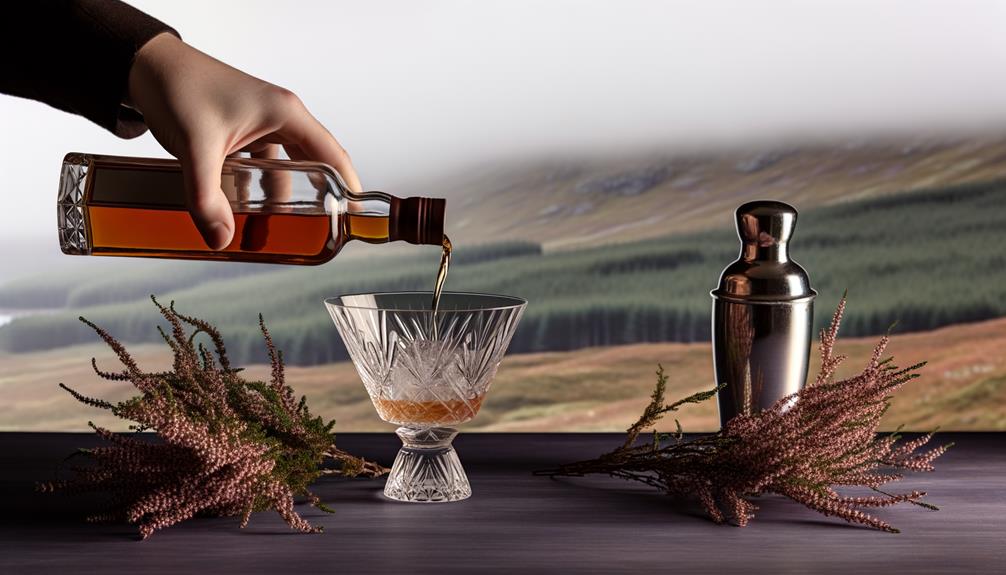
Ready to dive into the art of mixing the perfect Highland Fling cocktail? This process is as easy and gratifying as it gets, with the potential to turn your evening into a flavorful journey through Scottish tradition. This vintage cocktail, a favorite among whisky fans, boasts a rich story that goes back to the Prohibition era.
The ingredients for the Highland Fling are simple and easy to find:
- Blended Scotch, preferably a Highland single malt for a touch of class
- Sweet vermouth, just enough to balance out the strong Scotch
- Orange bitters, for a whisper of citrus
- Olives and salt, to add a savory twist
The method of preparation is a breeze:
- Mix all ingredients with ice
- Pour it into a chilled cocktail glass through a strainer
The outcome is an approximately 133-calorie cocktail, equivalent to about 1.3 standard drinks. It has a robust, lightly sweet taste with a citrusy undertone. The Highland Fling is a great option for those looking to experience a classic Scottish drink with a contemporary spin. Give it a shot, share your views, and let’s embark on this adventure together.