

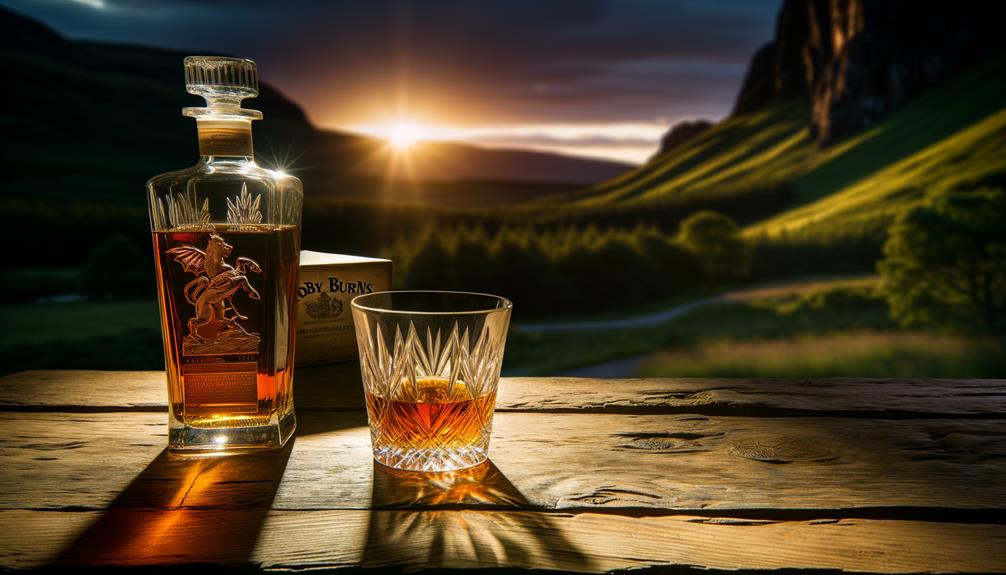
The first time I ordered a Bobby Burns, on a bitter January evening in Edinburgh, I expected something sweet and fussy. What arrived was neither. Blended Scotch, sweet vermouth, and a half ounce of Benedictine, stirred down with ice and strained into a coupe, with a twist of lemon peel on top. It tasted warm, herbal, and faintly sweet, and I wanted to know where it came from and why it worked. Three ingredients, none of them shy, and somehow they settle into a drink that feels finished.
The name is an easy one. It honours Robert Burns (1759 to 1796), Scotland’s national poet, and every January 25, on Burns Night, the Bobby Burns is the cocktail most often poured alongside the haggis, the whisky toasts, and the recitations. That fits. Few drinks taste as plainly Scottish as this one: malt, heather honey, and nothing that needs to shout.
A Murky History
The Bobby Burns appears in American bartending guides from the early 1900s. The print reference cited most often is the 1902 Fancy Drinks booklet from the Bishop and Babcock Company, a liquor wholesaler, which lists a close relative under the name Baby Burns: vermouth, Benedictine, and Scotch. By the time the drink travelled under its current name, the recipe had settled into roughly equal parts Scotch and sweet vermouth with a spoonful or two of Benedictine.
Like most drinks of that era, its exact birthplace is unclaimed, and bartenders have been arguing about it ever since. What is clear is that it survived for a reason. Equal-parts Scotch cocktails come and go, but the Bobby Burns has stayed on menus because blended Scotch is forgiving enough to carry the weight of vermouth and still taste like itself.
What Goes Into a Bobby Burns
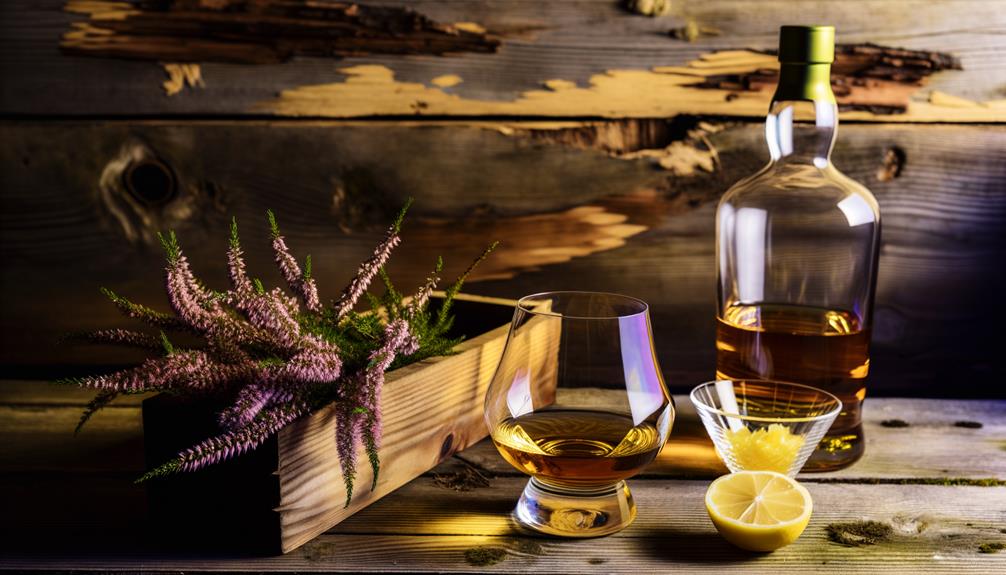
Three ingredients, and each one earns its place.
- Blended Scotch whisky. The base, and the ingredient that deserves the most thought. A 12-year-old blend like Johnnie Walker Black Label brings smoke, fruit, and enough body to stand up to vermouth. A cheap blend goes thin the moment the vermouth lands.
- Sweet vermouth. An Italian rosso is the traditional pick. Carpano Antica Formula brings vanilla and spice, Cocchi Vermouth di Torino runs richer and darker, and Punt e Mes adds a bitter edge if you prefer a drier drink.
- Benedictine. A French herbal liqueur from Fécamp in Normandy, first made by Benedictine monks and built on honey with a secret blend of 27 herbs and spices. A little carries a long way. Too much and the drink turns syrupy.
A solid starting ratio, in millilitres for the Canadian bar:
| Ingredient | Amount | Notes |
|---|---|---|
| Blended Scotch whisky | 45 ml (1 1/2 oz) | A 12-year-old blend |
| Sweet vermouth | 45 ml (1 1/2 oz) | Carpano Antica or Cocchi |
| Benedictine | 15 ml (1/2 oz) | Go easy |
| Lemon peel | 1 strip | Expressed over the top |
How to Stir One
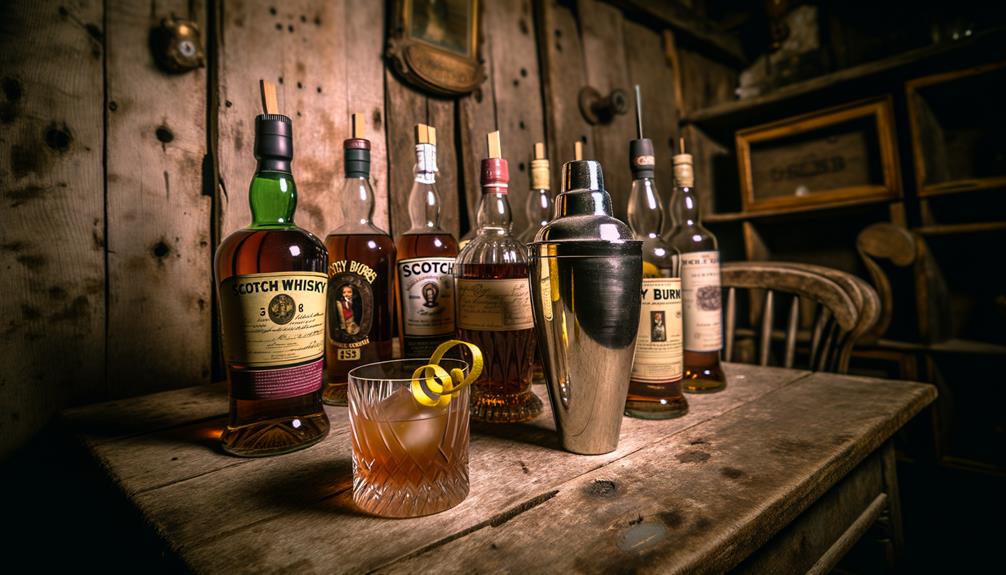
Build it like any stirred drink. Add the Scotch, vermouth, and Benedictine to a mixing glass, fill it with ice, and stir for about 30 seconds, until the glass frosts and the drink is properly cold. Strain into a chilled coupe or Nick and Nora glass. Express the lemon peel over the surface to release the oils, then drop it in or leave it out.
The garnish is doing real work here. That flash of lemon oil lifts the herbal weight of the Benedictine and keeps the drink from reading as dessert.
Serving the Bobby Burns
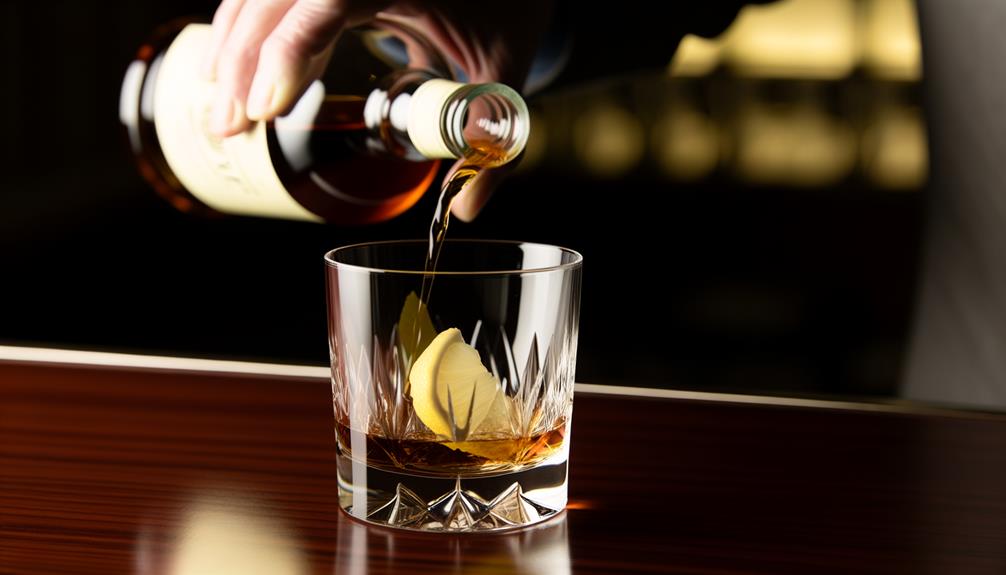
This is a slow drink. It suits the end of dinner, a low chair, and a conversation that isn’t going anywhere in particular. Shortbread on the side is the traditional Burns Night move, and it works for a reason: the butter and sugar answer the smoke and honey in the glass.
Skip the rocks. A Bobby Burns poured over ice dilutes fast and loses the silky texture that proper stirring gives it. Serve it up, in a stemmed glass, and take your time with it.
Choosing Your Scotch
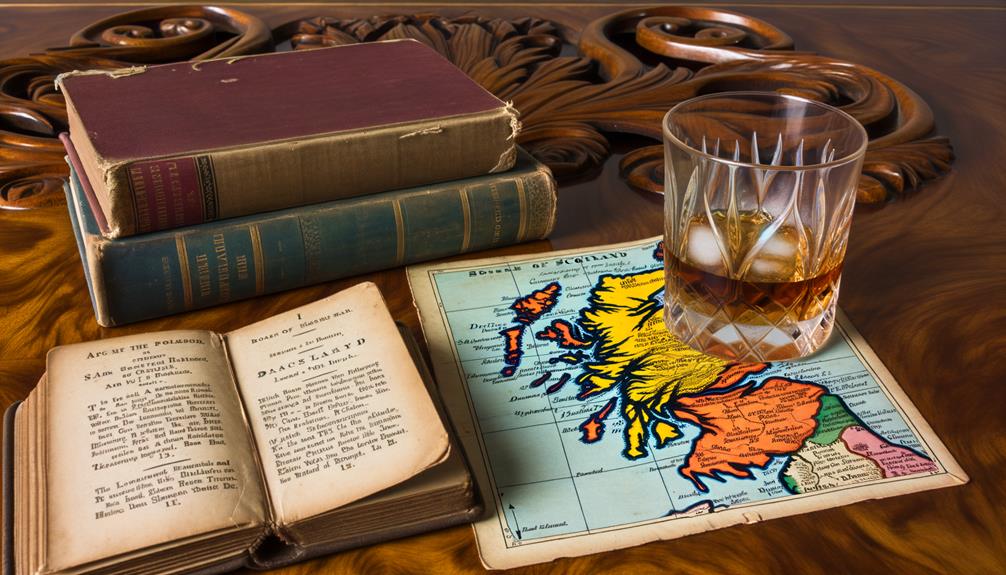
The Scotch you pour changes this drink more than anything else does.
- Blended Scotch is the classic call, and for good reason. Blends balance malt and grain, so the cocktail stays round and smooth instead of sharp.
- Single malt Scotch steers the drink toward a specific region. A Speyside malt like Glenfiddich 12 leans soft and fruity; an Island malt brings brine and heather. Expect a bolder, less forgiving cocktail.
- Peated Scotch turns the Bobby Burns into something closer to a smoked Manhattan. A heavily peated Islay like Laphroaig can flatten the Benedictine, so if you go that way, use a lighter hand or cut it with unpeated Scotch.
A Canadian detour is worth trying too. Canadian rye, something spicy like JP Wiser’s Deluxe or a richer Forty Creek, gives the Bobby Burns a drier, peppery spine that suits the herbal liqueur well. If you haven’t spent much time with the category, our guide to what Canadian whisky actually is is the right place to start.
Where the Bobby Burns Fits
If this one wins you over, the Blood and Sand is the next Scotch cocktail to try. It adds cherry brandy and orange juice, and it’s the better-known of the two, though I find the Bobby Burns the finer drinking.
The drink also shares bones with stirred classics like the Old Fashioned: spirit forward, built on balance, and always better made slowly.
For a wider shelf of options to pull out when company arrives, we’ve gathered our favourite whisky cocktails to make at home. And if all this spelling has you second-guessing yourself, we’ve settled the whisky versus whiskey question for good. Scotch is always whisky.