

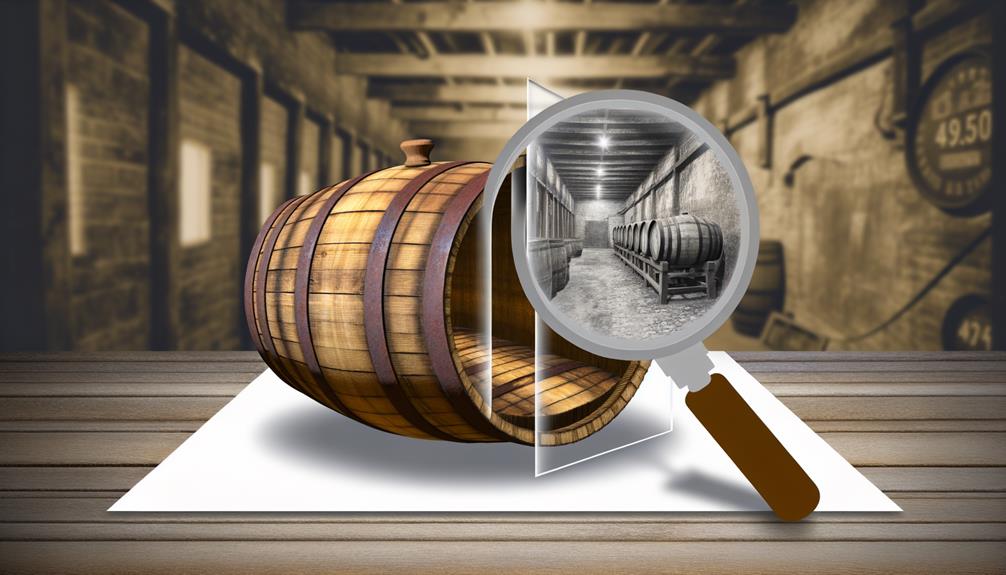
A whisky barrel is far more than a storage vessel. Short of the distillate itself, the cask is the single biggest influence on what ends up in your glass. Distillers will tell you the barrel drives most of a matured whisky’s colour and flavour, and anyone who has tasted the same new-make spirit aged side by side in fresh American oak and a tired refill cask knows they are right.
I have spent a good deal of time studying why that is, and the honest answer is that several forces are at work at once: the species of oak, the char on the barrel wall, the warmth of the warehouse, and the humidity of the air. Each one pulls on the spirit in a different direction. Here is how they work, starting with the wood itself.
Choosing the Right Oak
Not all oak is equal, and the species a distillery chooses sets the direction for the whole maturation. Three types dominate the industry.
American white oak (Quercus alba) is the workhorse. By US law, bourbon must be aged in new, charred American oak barrels, and once those barrels have done their one job they flood the world market as ex-bourbon casks. That is why so much Scotch, and a good deal of Canadian whisky, spends its life in wood that first held Kentucky bourbon. American oak tends to give sweet, soft notes: vanilla, coconut, caramel, and a creamy texture. If you want the full picture on the bourbon side, our primer on American whiskey covers how those barrels get made.
European oak (Quercus robur and Quercus petraea) is denser and more tannic. This is where the casks that once held sherry, port, and wine live, and they lend dried fruit, baking spice, leather, and a deeper colour. A sherry-cask Glendronach tastes nothing like a bourbon-cask Glenfiddich, and most of that gap comes from the wood rather than the still.
Japanese mizunara oak (Quercus mongolica) is the wildcard. It is porous, difficult to work, and famously leaky, yet distillers such as Yamazaki prize it for sandalwood, coconut, and temple-incense notes that no other species can deliver.
The chemistry underneath is reassuringly simple. Hemicellulose in the wood breaks down into simple sugars that read as caramel and toffee on the palate. Lignin, heated during coopering and toasting, releases vanillin, the very compound behind vanilla’s aroma. Tannins add structure and a gentle drying grip. The same three reactions happen in every barrel; the species only changes the balance.
Canadian distillers work these choices hard. Names like Crown Royal, JP Wiser’s, and Forty Creek build their house styles in part through cask selection, blending whisky matured in ex-bourbon barrels with a portion of new oak to add spice, structure, and a little sweetness. It is one reason Canadian whisky has such a recognizable profile, and why it has been enjoying a genuine renaissance on the world stage.
Charring and Toasting the Barrel
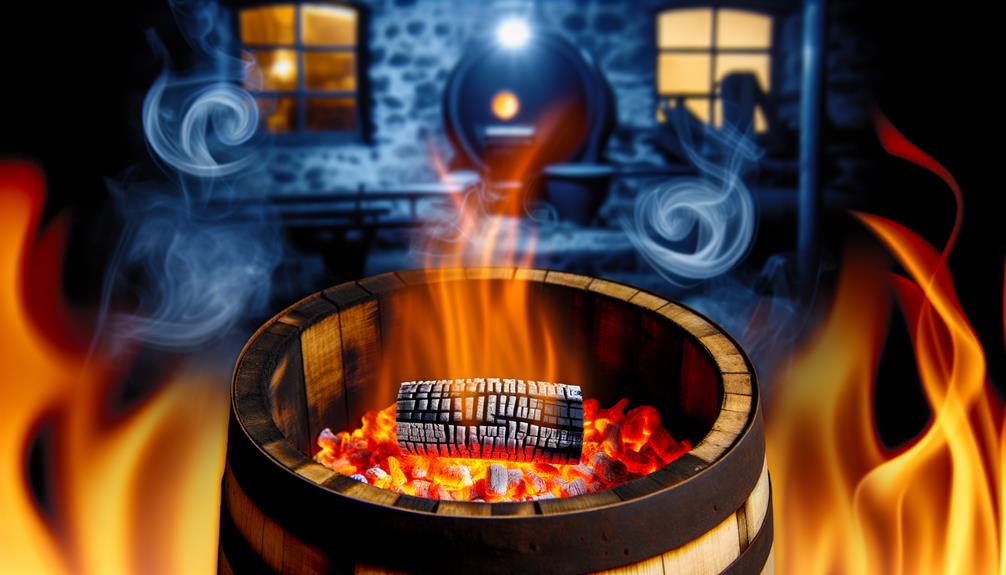
Charring and toasting both involve fire, but they are not the same thing. A toast applies gentler heat for longer, driving chemical change deeper into the stave and coaxing out more vanillin and spice. A char is faster and more violent: the cooper sets the inside of the barrel ablaze for a matter of seconds.
Once a barrel is charred, a few things happen at the same time. The heat breaks hemicellulose and lignin into the flavour compounds described above. It also leaves a thin layer of active carbon on the barrel wall, which behaves a little like a filter, drawing harsh sulphur compounds and rough congeners out of the new spirit as it soaks in and out of the wood. The deeper the char, the more carbon forms, and the more smoothing, colour, and sweetness the cask can give back.
Coopers grade char by depth. A light number-one char might burn for about fifteen seconds, while a heavy number-four char, the one bourbon makers favour, runs closer to a full minute and leaves the inside cracked and glossy. Distillers call that texture alligator char, because it looks like alligator skin. As a rule, a heavier char means more caramel, more smoke, more colour, and a rounder, smoother spirit.
How Temperature Steers Maturation
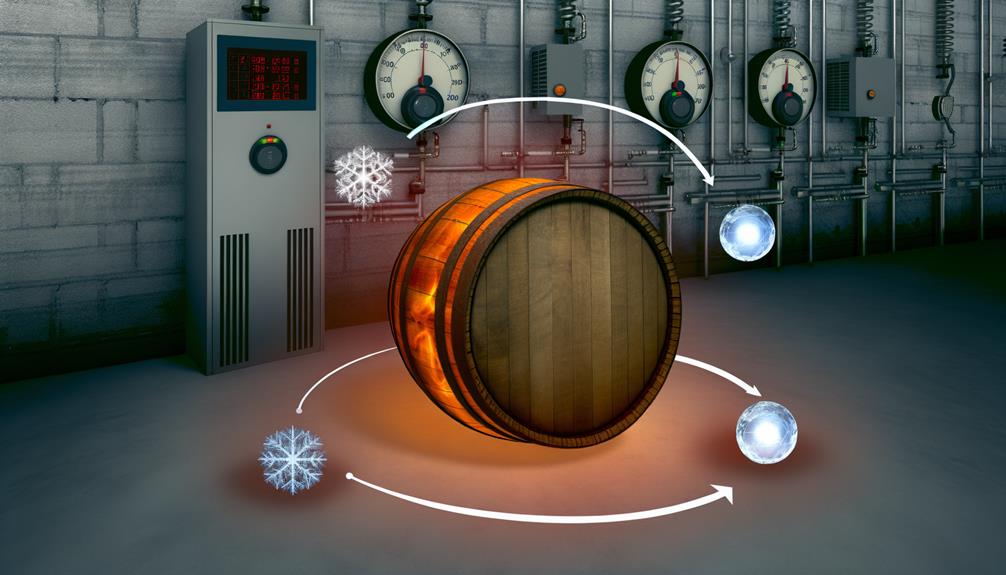
Temperature is the throttle on maturation. Warm the warehouse and everything speeds up; cool it and the whole process eases off.
As the air warms, the spirit expands and pushes deeper into the wood. As it cools, the spirit contracts and pulls back out. Each one of those cycles drags flavour compounds from the oak and pushes harsh ones into the wood to be filtered away. In a hot climate like Kentucky’s, the cycle is vigorous, and bourbon matures quickly, often pulling deep colour and strong oak character in just a handful of years. Scotland’s cooler, steadier climate means a slower, gentler extraction, which is a big part of why Scotch is usually matured for far longer.
Canada sits in an interesting spot between the two. A warehouse in Alberta or Ontario can swing from bitter cold winters to hot summers, and that yearly freeze-thaw cycle gives Canadian whisky a different extraction rhythm than either Scotland or Kentucky.
Heat carries a cost, though, and distillers have a name for it: the angels’ share. As a cask breathes, some spirit evaporates straight through the staves and is lost to the air. The warmer the warehouse, the larger that loss tends to be. In recent years distillers in several regions have spoken openly about higher evaporation during warmer summers, and the industry is paying closer attention to warehouse insulation, cask rotation, and filling strength as average temperatures climb. The angels have always taken their cut. A warming climate looks to be widening it.
Humidity and the Angels’ Share
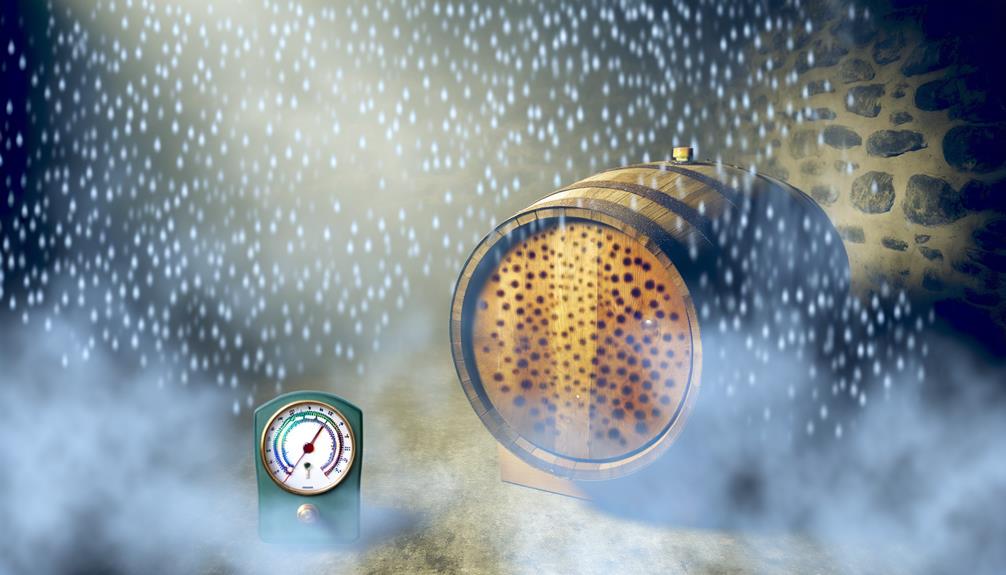
If temperature sets the speed, humidity decides what the cask actually loses. A barrel breathes out both water and alcohol, and the balance between the two shifts with the moisture in the surrounding air.
In a damp warehouse, humid air slows the escape of water. Alcohol, which evaporates more readily, leaves in greater proportion, so the spirit’s strength drifts downward over the years. That is the pattern across much of Scotland, where whiskies often come out of the cask at a lower strength than they went in.
In a dry warehouse the reverse holds. Water evaporates freely into thirsty air, so a cask can hold its strength or even gain a little, while the total volume lost to evaporation grows. Hot, dry rickhouses in Kentucky and parts of Australia push this effect hard, concentrating flavour but costing more liquid over time.
The practical takeaways:
- High humidity slows water loss, so alcohol is lost first and cask strength tends to fall.
- Low humidity lets water escape faster, which can hold or raise strength while increasing total volume lost.
- Barrel type works alongside climate; new American oak interacts far more aggressively than a tired refill cask.
- Distillers choose warehouse sites and cask types partly to manage these losses.
Reading Flavour from the Cask
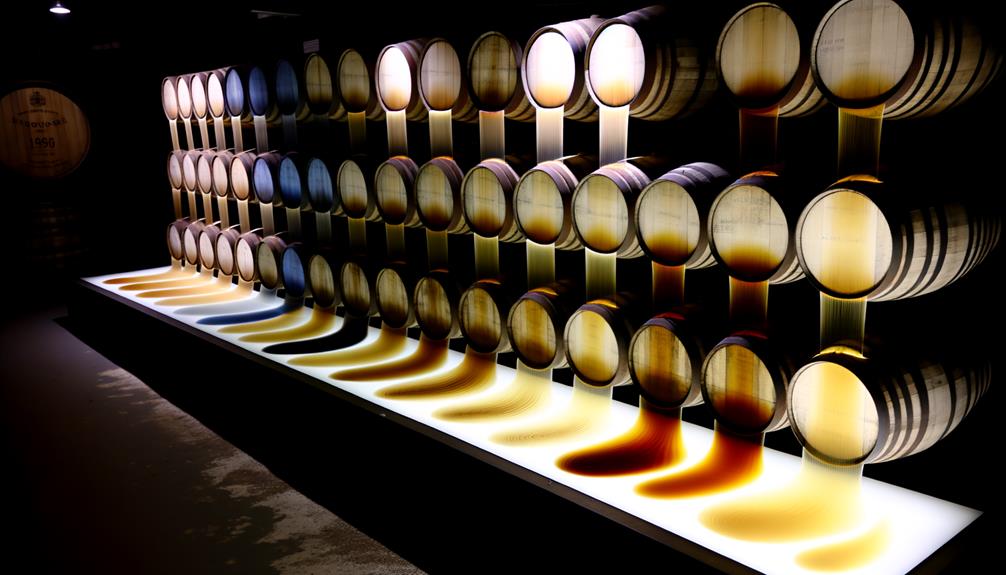
Put all of this together and you can start to read a whisky’s flavour from its cask. Ex-bourbon barrels lean toward vanilla, honey, coconut, and soft spice. Ex-sherry casks bring dried fruit, dark chocolate, Christmas cake, and a firmer tannic grip. Port, Madeira, and red-wine casks add berry and jammy notes, and these are often used as a finish, where a whisky spends its final months in a second cask to pick up an extra layer of character.
First-fill casks, used to mature whisky for the first time, give the strongest wood influence because their extractable compounds are at their freshest. Refill casks, which may have held whisky two, three, or four times already, are far gentler and let more of the distillery’s own character show through. Much of the skill in blending is matching these cask types so that neither the wood nor the spirit drowns the other out.
Cask choices also drive the money side of the hobby. If you are curious how barrels translate into something you can buy and hold, our guide to whisky barrel investing and our notes on investing in rare whisky and casks dig into the numbers. For a longer look at how time in wood shapes the bottle in your hand, Whiskey Aging: Barrels, Time and Magic makes a good companion read.
Frequently Asked Questions
What Makes a Good Whisky Barrel?
A good barrel starts with sound, high-quality oak that is free of cracks and knots and has been cut and seasoned properly. Beyond the species, the variables that matter most are size, char level, and how many times the cask has been filled. A smaller barrel matures faster because more spirit is in contact with more wood per litre. A fresh first-fill cask gives bold flavour, while a refill cask gives subtlety. There is no single best barrel, only the right one for the style of whisky you are aiming for.
What Is the Maturation Process in Whisky?
Maturation is the time a new-make spirit spends in oak, picking up colour, flavour, and texture while its harsher compounds mellow. Barrel size, wood species, char level, and warehouse climate all shape how quickly, and in what direction, the spirit changes. A fresh distillate runs clear and fiery. A matured whisky pours amber and rounded. Nearly all of that change happens inside the cask.
What Is the Best Whisky to Age in a Barrel?
There is no universal answer, because the ideal spirit depends on the cask. A full-bodied, characterful new-make can stand up to an active first-fill sherry butt, while a delicate, floral spirit is better matched to a gentle refill bourbon barrel. The best pairing is one where the distillery character and the wood support each other instead of competing. Size matters too: smaller casks mature faster, but they can turn oaky if left too long.
What Does First Fill Mean in Scotch Whisky Maturation?
First fill means a cask is being used to mature whisky for the first time, even if it previously held bourbon, sherry, or another liquid. A first-fill ex-bourbon barrel, for example, has never held Scotch before, so its wood still carries plenty of extractable flavour. First-fill casks give stronger colour and flavour than refills, which is why distilleries value them and why they show up so often in premium single malts.