

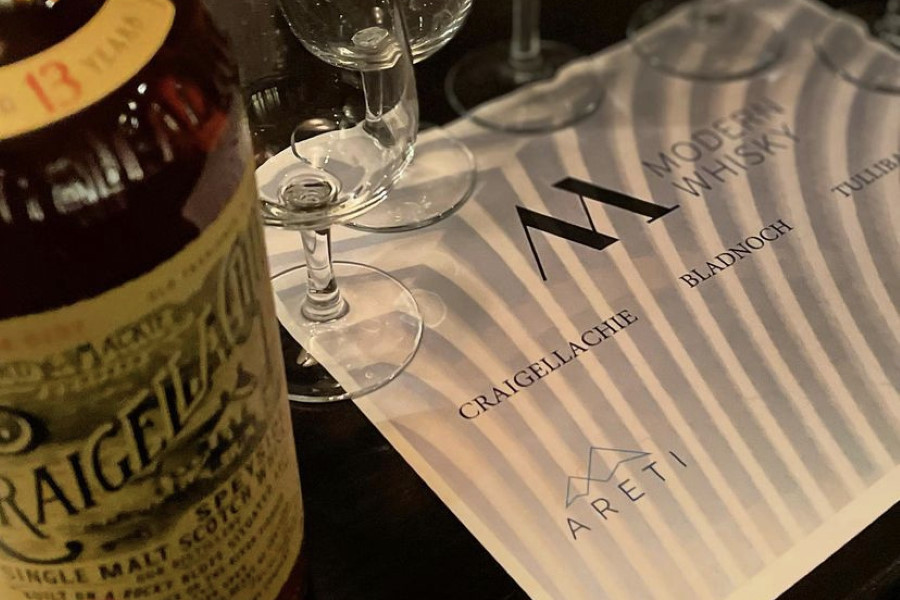
Modern Whisky began quietly, and not surprisingly, over drams shared by friends. Being less than sober in the moment, I hazily recall the idea being settled with a simple “why not?” and “at the very least, we’ll have some whisky to drink.” I spent the months that followed trying to define what Modern Whisky was, and what it might become, to myself and to my network of colleagues, potential investors, whisky enthusiasts, and a few naysayers. Unfortunately, none of the naysayers could make it tonight.
That first tasting took place in early 2022, while much of the world was still rearranging its plans around a pandemic. Since then, the friends who started this have grown into a proper team, and the casks we hold have multiplied. Rather than list the roster here, where it would go stale, you can meet everyone and see our current holdings on the Modern Whisky about page.
An Independent Bottler
Welcome to Modern Whisky’s first tasting event. The room is full of people who matter to us, drawn from different industries but sharing one thing: a taste for good whisky. Tonight, at the very least, we can celebrate not having to drink our whisky alone in front of a computer screen, but with friends old and new.
This evening we’ve chosen a flight of whiskies from producers we’ve bought casks from for future bottling. That is the core of what Modern Whisky is. We are an independent bottler: we buy casks, mature them, and bottle them under our own name.
The expressions we’re pouring tonight all come from distilleries in Scotland. Not the country where whisky was invented, the country where it was perfected.
Craigellachie
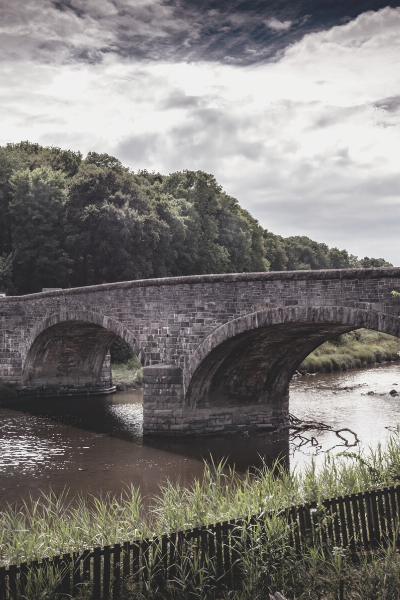
Where the River Spey settles into its meandering form, tucked into flood plains and hosting annual salmon runs beneath Telford’s Bridge, the town of Craigellachie keeps two fine whisky bars. One sits inside the iconic Craigellachie Hotel.
Opened in 1888, Craigellachie distillery blends new methods with old ones in its process. The well-regarded 13-year-old is our first pour of the evening, and our own cask of Craigellachie will be the first release from Modern Whisky.
Right now, our 2007 distillation is resting in NEOC French oak. New Era of Cask is a treatment that shaves off the original char and re-toasts the staves with infrared waves. At the time of the tasting, we expected to sample the expression within about six months and hoped to bottle it within a year.
This is a full-bodied whisky, rich and layered but smooth and well-rounded. I can’t wait to taste what the French oak brings. As far as we know, this will be the first Craigellachie finished in NEOC French oak.
Bladnoch
I’d be surprised if anyone in the room doesn’t know Scotland’s most northerly distillery, especially my friend Dan Volway, who served as its Canadian brand ambassador for many years. I’m talking, of course, about Highland Park and its distinctly peated malt, loved around the world. Tonight, though, I’ll point you the other way, to Scotland’s most southerly distillery.
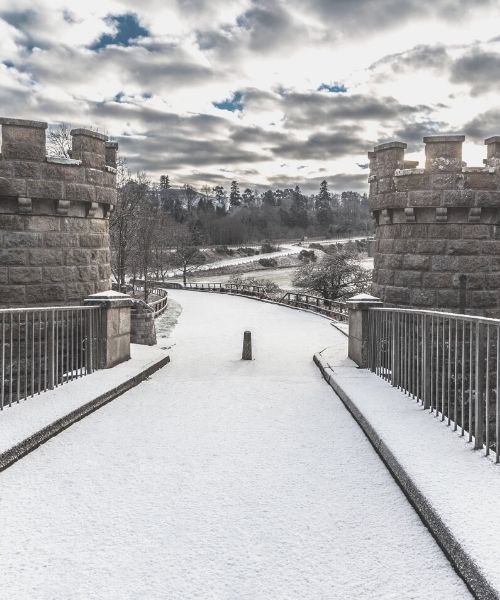
Set in the county of Galloway, Bladnoch has kept going despite the hard times that closed several of its regional neighbours. It shut in 1993, then was bought in 1994 by Raymond Armstrong of Northern Ireland. Armstrong decided to reopen it after tasting the balanced, floral whisky made there. Production stays limited, but the site now hosts Scotland’s first whisky-making school, and the distillery’s prospects look stronger than they have in years.
Australian entrepreneur David Prior bought the distillery again in 2015, the first Australian to own a distillery in Scotland. Former Macallan master distiller Dr. Nick Savage joined Bladnoch in 2019.
Modern Whisky currently holds several casks of Bladnoch’s delicate Lowland malt, maturing gently in American oak and waiting its turn. Tonight we’re pouring the limited 10-year-old, non-chill-filtered and bottled at 46.7% ABV.
Tullibardine
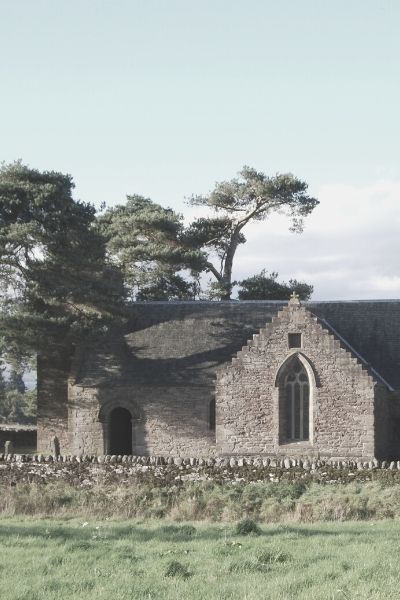
Tullibardine’s history as a place for brewing and distilling is among the oldest in Scotland, reaching back to the 15th century. The story starts in 1488, when a young King James IV of Scotland stopped by before his coronation to buy beer from the local brewery. That brewery had a reputation for fine beer thanks to the local water, and by 1503 the King had granted it a royal charter.
The brewery began its conversion to a distillery in 1947. Today Tullibardine has the rare distinction of being independently owned, and with a recent on-site bottling plant it’s one of the few distilleries to distil, age, and bottle on its own site, which gives the whisky a genuinely regional character.
Tonight we’re tasting three expressions from the Signature range, starting with the Sauternes 225, then the Sherry 500, and the standout 15-year-old.
- Sauternes cask finish: 225-litre Sauternes casks
- Sherry finish: 500-litre sherry butts
Why We Bottle
So now you know who we are and what we do. The real question is why.
Bottling sits at the heart of Modern Whisky. Who wouldn’t want to buy a cask to share with friends, or to give as a gift that marks a moment? It might carry the birth year of a loved one. Whatever the reason, the cask still has to be bottled in Scotland, labelled correctly, duty paid, landed, and shipped to its final home on your office shelf or home bar. That stretch is where most people get stuck, and it’s the part we handle. If you want the reasoning behind holding casks in the first place, our whisky investing primer covers the fundamentals.
We’ll keep building our inventory of casks, and we’ll track down a specific distillery, finish, or age statement for a buyer who wants something particular. For a closer look at how cask ownership works, our barrel investing guide walks through the mechanics, and our notes on investing in rare whisky and casks dig into the rarer end. Our branding stays simple and elegant, with co-branding and custom dedication options for anyone buying a cask for bottling.
Being a Canadian company in this trade has its own rewards. The whisky renaissance back home means there’s a real audience for what we do, and we’ve written about that scene at length. See our take on the Canadian whisky scene.
Thank you all for coming this evening, to the first of many Modern Whisky events.
Thanks to Peter Kefalas, and to our sponsors, Richard Harris at Colliers and Peter Poulos at Areti.