

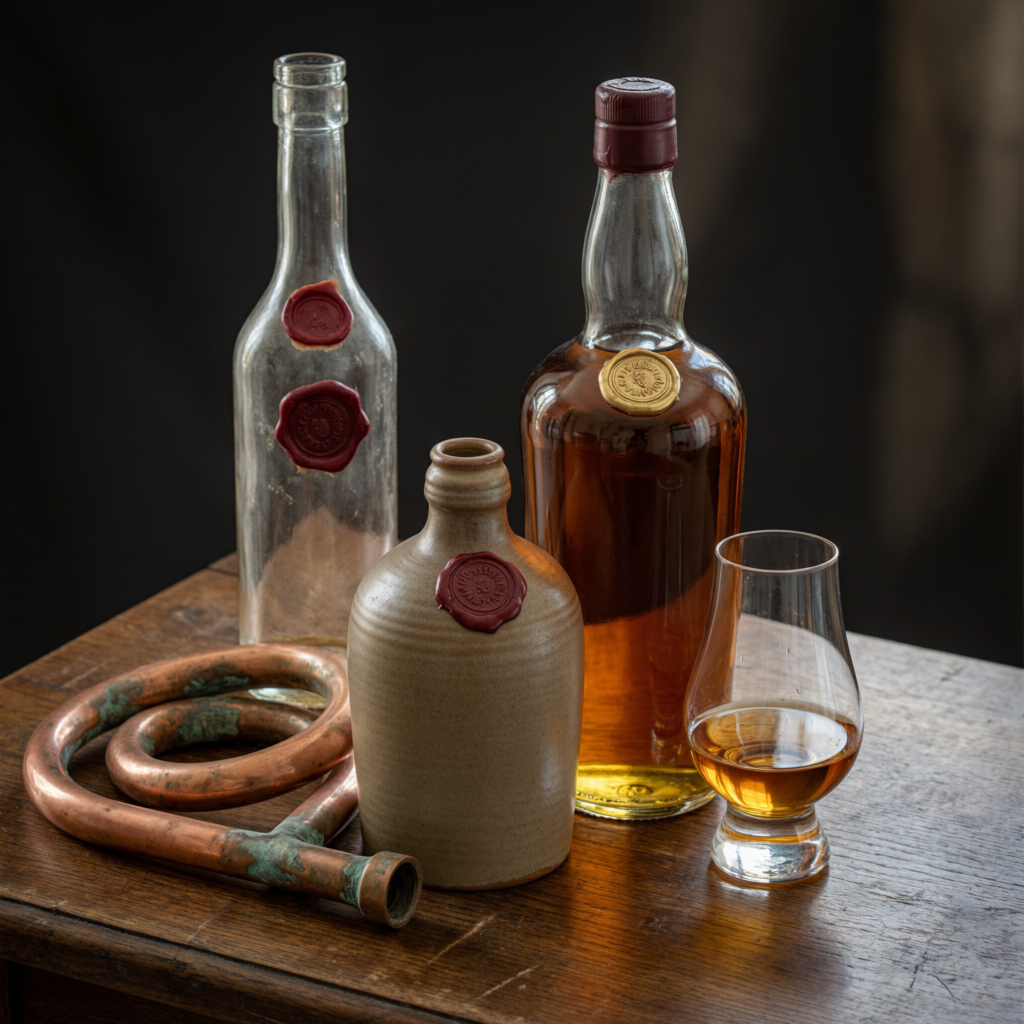
Collectible whisky has quietly become one of the more interesting alternative assets a Canadian investor can hold. Over the past decade, rare bottles from distilleries like Bowmore, Karuizawa, and Macallan have consistently traded well above their original retail prices, and auction results from houses like Bonhams and Sotheby’s keep setting new benchmarks. Demand is real, supply is fixed, and the collector base keeps growing. That said, not every bottle on a shelf is a future blue-chip asset. Plenty of whisky sits flat or loses value. The gap between a smart buy and an expensive mistake usually comes down to research, timing, and knowing what the market actually rewards.
Why Collectible Whisky Deserves a Spot in Your Portfolio
Whisky behaves differently from stocks and bonds. Its value is tied to scarcity, age, brand reputation, and condition rather than earnings reports or interest rates. That low correlation with traditional markets is a big part of the appeal. The Knight Frank Luxury Investment Index, which tracks assets like fine wine, classic cars, and rare whisky, has shown collectible spirits holding their value through periods that rattled equities.
At the top end, the returns can be striking. Bottles from closed distilleries or limited single-cask releases have multiplied in value over a decade or two. But those headline numbers come with a warning: they reflect the best performers, not the average bottle. Most whisky you pick up at the LCBO or a private shop will not appreciate. Gains concentrate in rare, well-provenanced bottles from sought-after producers.
Getting started is easier than it used to be. Auction platforms like Whisky.Auction and brokers like Justerini & Brooks let you bid from anywhere in Canada, and you can enter a sale with a few hundred dollars. You don’t need a cellar full of Macallan to participate. You do need patience. Whisky is a long-hold asset, and buying with the plan of flipping within a few months rarely works unless you caught a genuinely underpriced lot.
Getting Started: What to Know Before You Buy
Before you spend a dollar, get familiar with how the secondary market actually works. Auction houses set the public price record. Sites like Whiskybase and Whisky.Auction publish realised prices, so you can check what a bottle actually sold for, not just what a retailer is asking. The gap between asking and realised price is where beginners lose money.
Single malt Scotch has been the engine of the collectible market for years. Japanese whisky from closed or limited distilleries like Karuizawa and Hanyu has also seen prices climb sharply as global demand outstripped a tiny, fixed supply. If you’re building a portfolio with appreciation in mind, these are the categories with the strongest track record. For a structured approach to building your position, our whisky investment strategy guide walks through the practical steps.
One thing that surprises new buyers: provenance and condition matter as much as the liquid inside. A bottle with a damaged label, a broken seal, or an unclear storage history can trade well below a pristine example. Keep the original box, keep your receipts, and store bottles upright in a cool, dark place. If you’re just starting out, our guide to kickstarting a whisky collection covers the basics of buying and storing with an eye on long-term value.
Key Factors That Drive Collectible Whisky Values
A handful of factors separate bottles that appreciate from the ones that gather dust:
- Brand and distillery reputation. Macallan, Bowmore, Ardbeg, and Yamazaki carry collector demand that lesser-known names simply don’t match. In American whiskey, Old Rip Van Winkle and the Pappy Van Winkle labels trade at steep premiums over original retail.
- Age and scarcity. A 25-year-old single malt from a distillery that no longer exists will always attract more bids than a 12-year-old from a high-volume producer. Closed distilleries like Port Ellen, Brora, and Karuizawa are the clearest examples of scarcity driving price.
- Auction momentum. When a bottle sets a new record at Bonhams or Sotheby’s, it resets expectations for every similar bottle on the secondary market. Tracking these results through our whisky auction guide helps you spot shifts early.
- Condition and packaging. Original box, intact seal, clean label. These details can swing a bottle’s value by hundreds or even thousands of dollars at the top end.
Diversification still applies here. Spreading capital across Scotch, Japanese whisky, and a few American whiskey bottlings reduces your exposure if any single category cools off. Canadian whisky is also worth a look. Older bottlings from closed Canadian distilleries, and limited releases from producers like JP Wiser’s and Forty Creek, have started attracting more collector attention. For a broader framework on allocating across categories, see our overview of whisky investing fundamentals.
Bottles That Have Held Their Value
A few names come up again and again when collectors talk about bottles that have genuinely appreciated:
| Bottle | Why Collectors Chase It |
|---|---|
| Bowmore Black Bowmore The Last Cask 50-Year-Old | One of the oldest Bowmores ever released, with fewer than 200 bottles in existence. Auction prices have climbed steadily since release. |
| Old Rip Van Winkle 25-Year-Old | The most sought-after American bourbon on the secondary market. Annual allocations are tiny relative to demand. |
| Karuizawa Ruby Geisha 38-Year-Old | From a closed Japanese distillery. Karuizawa bottlings have seen sharp price gains as global demand outpaces a fixed, shrinking supply. |
These bottles share a common thread: extreme scarcity, a strong distillery reputation, and a track record of auction demand. They also share a warning. Past price growth does not guarantee future returns, and buying at the top of a hype cycle is how people lose money. If you’re seriously considering a position in rare bottles, our piece on investing in rare whiskey and casks goes deeper on due diligence.
Cask Investment: A Different Approach
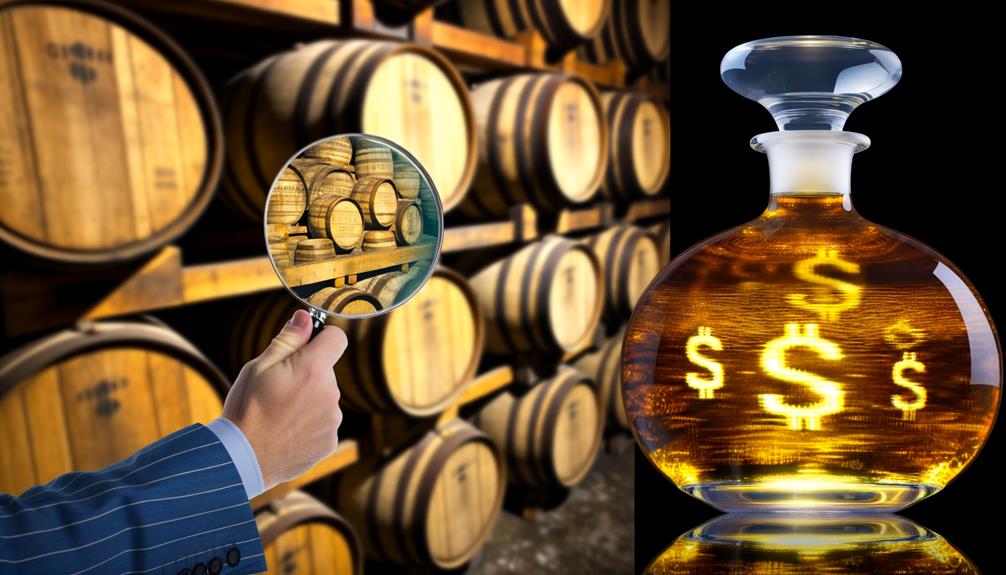
Buying whisky while it’s still maturing in the cask is a different game from collecting finished bottles. You’re buying time and potential. A cask of single malt at five years old is worth considerably less than the same cask at 15 or 20, assuming the spirit is ageing well and the cask is sound.
- What you’re actually buying. A cask is raw spirit maturing in oak. It hasn’t been diluted, filtered, or bottled. Its value is tied to the age of the spirit, the quality of the cask (ex-bourbon, ex-sherry, virgin oak), and the distillery’s reputation.
- Why casks can outperform bottles. You avoid the bottling, labelling, and packaging costs baked into a finished bottle’s price. You also benefit from the angel’s share working in your favour: as the spirit ages and evaporates, the remaining liquid becomes rarer and more concentrated.
- The risks. Casks can go wrong. A leaky cask, a poorly stored warehouse, or a spirit that doesn’t mature well can wipe out your position. You also face liquidity risk: selling a cask is harder and slower than selling a bottle.
If casks interest you, our barrel investing guide covers the mechanics, the costs, and the red flags to watch for.
A Note on Canadian Tax Treatment
If you’re investing from Canada, talk to a tax professional about how the CRA treats collectible spirits. Capital gains rules generally apply when you sell, and the treatment can differ depending on how the CRA classifies you: as a hobbyist collector or as a dealer. The specifics matter, and they’re not the same as holding stocks in a TFSA or RRSP. Factor in the tax before you build a position, not after you’ve already sold.
Frequently Asked Questions
What Whisky Will Go Up in Value?
No one can predict it with certainty. That said, limited-edition bottlings from well-known distilleries, releases from closed or mothballed distilleries, and older age-statement single malts have the best historical track record of appreciation. The common thread is scarcity: if a distillery only made 500 bottles and the distillery no longer exists, supply can only go one direction.
Is Collecting Whisky a Good Investment?
It can be, but it’s not passive income. You need knowledge, patience, and a long time horizon. The market has rewarded informed collectors, especially those who bought sought-after bottles before they became household names. But it’s not a savings account. Prices can stall, and liquidity is lower than traditional assets. Do your homework, buy what you understand, and don’t put money in that you can’t afford to lock up for five to ten years.
Which Whisky Is Worth Collecting?
Focus on bottles with genuine scarcity: limited releases, single casks, bottles from closed distilleries, and older age statements from reputable producers. Condition matters enormously. A bottle with its original box and an intact seal will always outperform the same whisky without them. Store everything properly, keep documentation, and buy from reputable sources.
What Makes a Good Whisky Investment?
The best investments share a few traits: a strong distillery name, genuine scarcity, a story (a first release, a final cask, a closed distillery), and a track record of auction demand. Age helps, but it’s not everything. A well-chosen 15-year-old from a hyped distillery can outperform a 30-year-old from an unknown one. This is a long game. Buy smart, stay patient, and sell when the market is hot, not when you need the cash.