

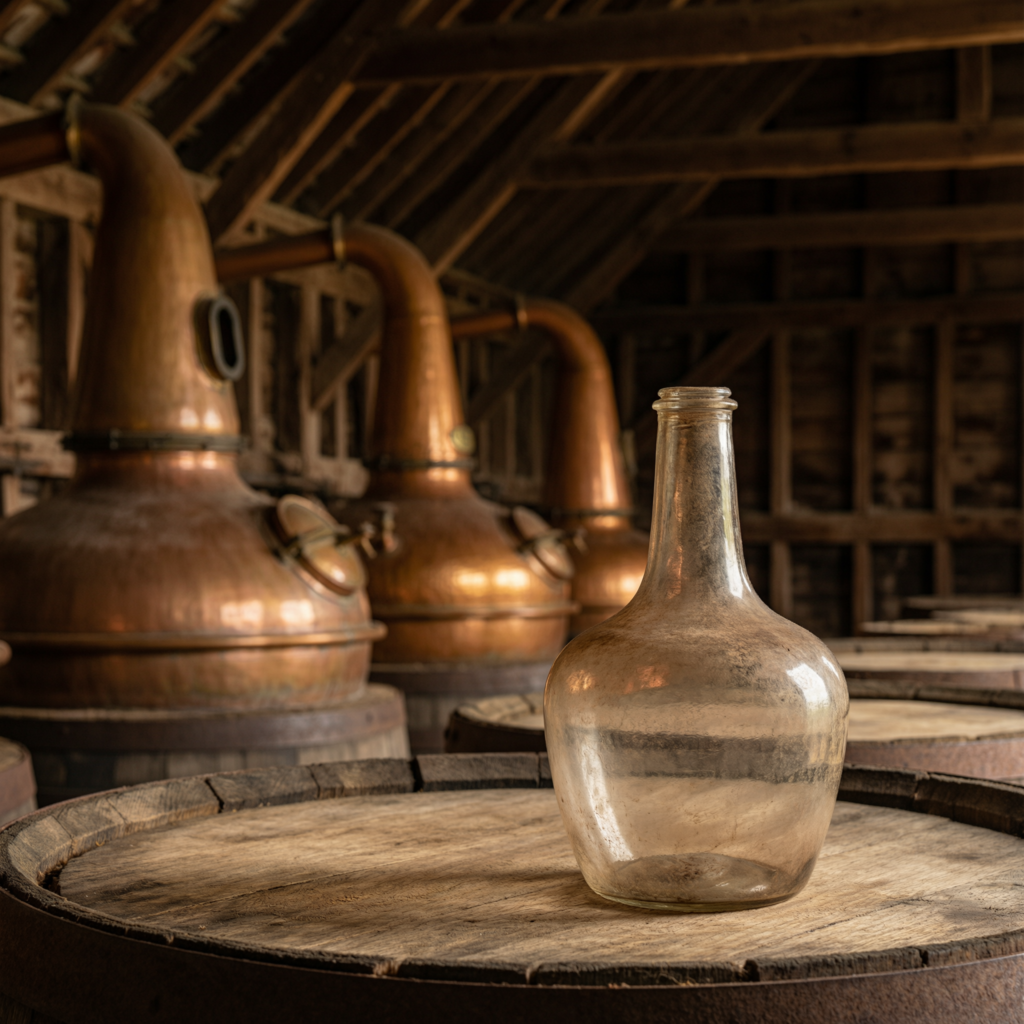
Let’s clear up the thing that trips up most people first, because the phrase is genuinely misleading. There is no real “whisky futures market” for the everyday investor. You cannot log onto an exchange, buy a standardized whisky contract, and sell it an hour later the way you can with crude oil or wheat. No liquid, centralized, exchange-traded market for whisky exists for retail buyers. When someone uses the word “futures” here, they are usually borrowing it loosely to describe something slower and far less regulated.
That does not mean you cannot invest in whisky before it reaches a bottle. You absolutely can. People do it every day through three main channels: buying casks of maturing spirit, securing pre-release bottle allocations, and putting money into whisky funds or managed portfolios. Each of these works differently, and each carries risks that a glossy sales brochure will not spell out. Here is how the business actually runs in 2025, and what to check before you put any money down.
Is There Really a “Whisky Futures” Market?
A true futures market needs standardized contracts, a central exchange, transparent pricing, and the ability to exit a position instantly. Whisky has none of that. Every cask is different: a different distillery, a different fill date, a different wood type, a different fill strength. You cannot standardize that into a tradable contract, and there is no exchange matching buyers and sellers in real time.
What you do have is an over-the-counter market of private deals. Distilleries sell casks directly. Brokers match buyers and sellers by phone and email. Auction houses handle the rare-bottle end. None of this is instant, and none of it offers the kind of liquidity that the word “futures” implies. Knowing that gap up front keeps you from expecting an exit that simply is not there.
How People Actually Invest in Whisky Before It Is Bottled
Buying a Cask
This is the closest thing to the popular idea of whisky investing. You buy new-make spirit, or a young whisky already in wood, and it sits in a bonded warehouse maturing while you own it. Over years in the cask the spirit picks up colour, flavour, and value, and the hope is that a fully mature cask is worth far more than the young liquid you paid for.
A few mechanical details matter more than the romance. While the cask stays in a bonded warehouse, excise duty and sales tax are deferred, so you are not paying tax on spirit that has not even finished maturing. Meanwhile the “angel’s share” is quietly eating into your position: casks lose a small percentage of their volume to evaporation every year, commonly estimated around 2%, and over a decade or two that adds up. Leave a cask too long and it can over-oak, dropping in strength and appeal. For the full mechanics of buying, storing, and eventually selling a barrel, our guide to whiskey barrel investing walks through the process step by step.
Pre-Release and En Primeur Bottle Allocations
At a much smaller scale of capital, distilleries and specialist retailers sell limited bottlings before they hit the shelves. Think single-cask releases, limited editions, and private-client allocations offered to mailing-list members ahead of the public. You pay now for a bottle that ships later, betting that demand for that distillery will keep prices firm on release day.
The appeal is a low entry cost and the thrill of getting an allocation at all, since the most sought-after bottles sell out in minutes. The risk is that the secondary price depends entirely on hype around one brand. A release that looked unmissable in the pre-order email can land with a thud at auction six months later.
Whisky Funds and Managed Portfolios
For investors who would rather not pick individual casks, pooled whisky funds and managed portfolios promise professional selection, storage, and eventual sale. Some are run by established merchants with long track records. Others are lightly structured vehicles that barely deserve the word “fund.”
This is where caution is most needed. In the United Kingdom, the Financial Conduct Authority generally does not regulate cask whisky investment, and it flags investments of this kind as high-risk, sometimes structured as unregulated collective investment schemes (the FCA’s investor guidance lives at fca.org.uk/investsmart). Canada has no equivalent safety net either. Before you commit, you want to know exactly what you own, who holds title, what all the fees are, and how the manager plans to get your money back out. For more on separating sound opportunities from expensive mistakes, see our piece on investing in rare whiskey and casks.
Who Actually Sells and Trades Casks
The big spirits groups, Diageo, Pernod Ricard, and Beam Suntory among them, own most of the famous Scotch distilleries and set the release calendars that move the whole market. Alongside them sit independent distilleries and a layer of specialist cask brokers who arrange private sales between investors, bottlers, and blenders. Building a feel for which names hold value over time is part of the groundwork covered in our primer on whisky investing.
On the exit side, rare bottles trade through auction houses such as Sotheby’s, Bonhams, and specialist platforms like Whisky.Auction, while whole casks usually sell privately through brokers or direct to independent bottlers. Notice the pattern: nothing here trades on an open exchange, and every route out takes time and contacts. Tracking indices such as Knight Frank’s Luxury Investment Index and Rare Whisky 101’s market data (both published at rarewhisky101.com and knightfrank.com) gives you a rough sense of where prices sit, even if the headline numbers lag the private deals behind them.
The Risks Nobody Mentions on the Sales Call
Liquidity is thin. There is no button that sells your cask at a fair price today. Finding a buyer can take weeks or months, and the spread between what a broker will pay you and what they will resell for can be wide. If you need your money back on a fixed date, this is the wrong asset.
Regulation is light to nonexistent. As noted above, cask whisky generally falls outside FCA regulation in the UK, and several cask schemes over the years have collapsed or turned out to be mis-sold. Treat any pitch promising guaranteed returns as a red flag, not a reassurance.
Title and fraud are real concerns. Casks have gone missing, been double-sold, or never existed at all. You should hold a warehouse receipt or delivery order in your own name, confirm the warehouse is a registered bonded facility (in the UK that means an HMRC-registered warehouse under the WOWGR rules), and verify that insurance covers your specific cask.
The market itself can fall. Rare whisky enjoyed a long run of strong gains, but it is not a one-way bet. Index trackers such as Knight Frank’s Luxury Investment Index and Rare Whisky 101 recorded a cooling in the rare-whisky auction market through 2023 and 2024 after years of gains. Treat “inflation hedge” as a hopeful description of the past, not a promise about the future.
Costs stack up quietly. Storage, insurance, broker commissions, bottling, and the duty and tax due when a cask finally leaves bond all chip away at your return. Ask for the full cost schedule in writing before you buy, and run the numbers on a modest gain, not just the best-case headline.
A Note for Canadian Investors
The Canadian angle here is worth a moment. Canadian whisky must be aged in wood for a minimum of three years under Canadian regulation, and a growing number of Canadian craft distilleries have run single-barrel and cask programs that let locals back domestic spirit rather than shipping money to Scotland. If you are new to what makes the domestic stuff distinct, start with our breakdown of what defines Canadian whisky.
On the tax side, do not assume a cask is a tax-free parking spot. The Canada Revenue Agency generally treats gains on investment whisky as taxable, and collectibles rules can add their own wrinkles depending on how you hold and sell. The specifics vary with your situation, so it is worth a conversation with a Canadian tax professional before you commit serious money.
How to Diligence a Cask Purchase
If you decide to move ahead, a short checklist goes a long way:
- Confirm the warehouse. Verify it is a registered bonded facility, HMRC-registered in the UK or the equivalent in its country.
- Get proof of title. You want a warehouse receipt or delivery order naming you as the owner of those specific casks.
- Check insurance. Confirm coverage is in place and that your casks are specifically named on the policy.
- Ask for a recent regauge. A current reading of litres and strength tells you how much the angel’s share has already taken.
- Understand every exit cost. Commissions, bottling, storage arrears, and duty should all be on paper before you sign.
- Test the liquidity. Ask the seller, concretely, who would buy this cask from you and how long that typically takes.
Frequently Asked Questions
Is there a whisky futures market I can actually trade?
No, not in the way the phrase suggests. There is no exchange-traded, standardized, instantly liquid futures contract for whisky open to retail investors. What exists instead is private cask buying, pre-release bottle allocations, and whisky funds, all of them slower and less liquid than a real futures market.
Can you make money buying whisky casks?
You can, and people do, but it is not easy or quick. A cask is a long-horizon, illiquid holding with real carrying costs, and there is no guarantee the mature spirit sells for more than you paid in. Returns depend heavily on the distillery, the wood, the timing, and the route you use to sell.
Is whisky a reliable inflation hedge?
Over long stretches, rare bottles have often kept pace with, or beaten, inflation, which is why the idea stuck. But the cooling recorded by Knight Frank’s Luxury Investment Index and Rare Whisky 101 through 2023 and 2024 is a reminder that prices can fall too. Hedge is an optimistic label, not a guarantee.
What is the safest way to start?
Start with bottles you understand and can sell through familiar channels; our overview of how whisky auctions work is a good place to learn the ropes. Keep any cask position small relative to your savings, run the full diligence checklist above, and map out your plan with our guide to putting together a whisky investment strategy before the money moves.